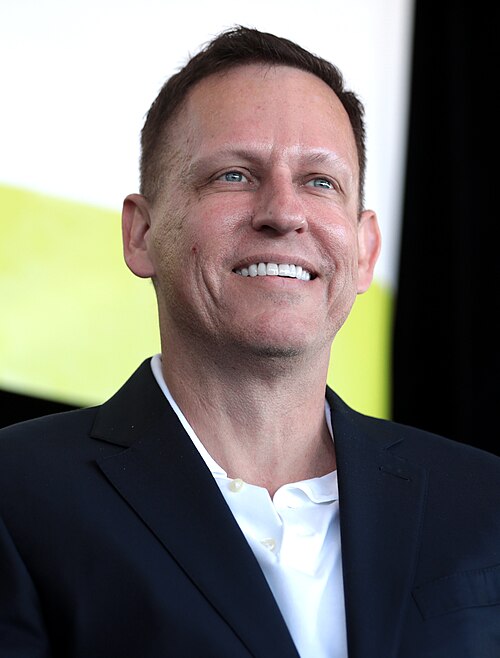
 Peter Thiel
Hold vision and flexibility simultaneously
One should maintain absolute commitment to a long-term vision while remaining completely unbiased about the specific path taken to get there.
Topic
How to think and carry yourself
Picked for this topic from the basic records of many masters.
Principles are our summary of their public statements.
Peter ThielOne should maintain absolute commitment to a long-term vision while remaining completely unbiased about the specific path taken to get there.
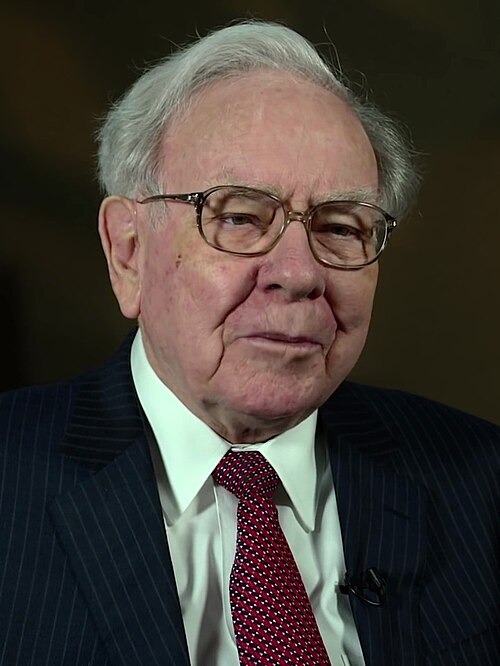 Warren Buffett
Ownership percentage matters less than the total intrinsic value of the stake; a smaller slice of a much larger pie is often worth more.
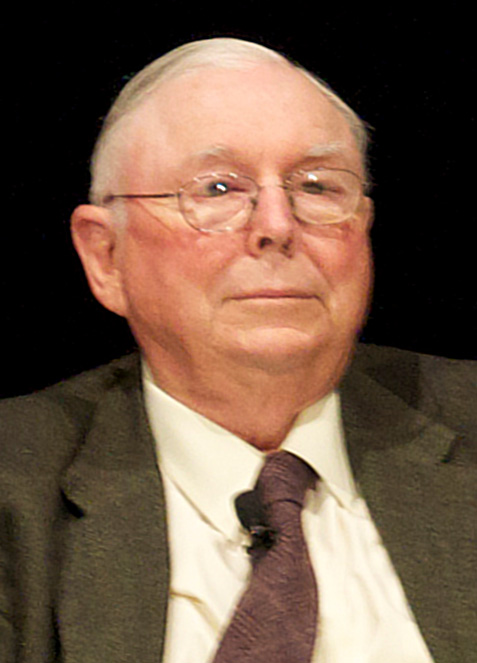 Charlie Munger
He warns that when multiple psychological biases act in the same direction simultaneously, they can cloud judgment and lead to extreme irrationality.
 Naval Ravikant
It is rational to be optimistic about the future because of the consistent history of human technological and scientific advancement.
 Jensen Huang
Business leaders should not accept the assumption that they will eventually lose a market; they must focus on innovation to win.
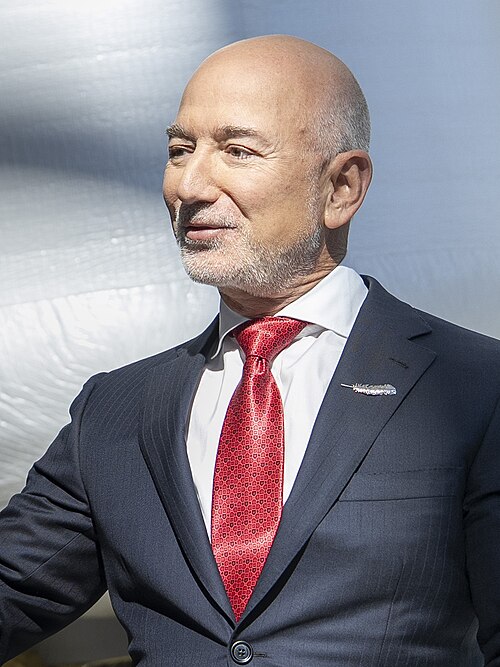 Jeff Bezos
A founder must acknowledge the high statistical likelihood of failure while remaining completely certain that their specific venture will succeed.
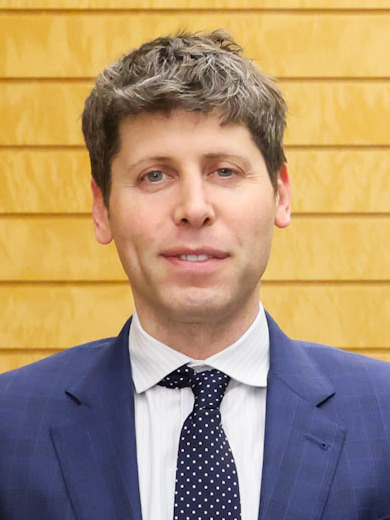 Sam Altman
One should not dismiss a technology just because it has failed in the past; previous reputations often blind people to current progress.
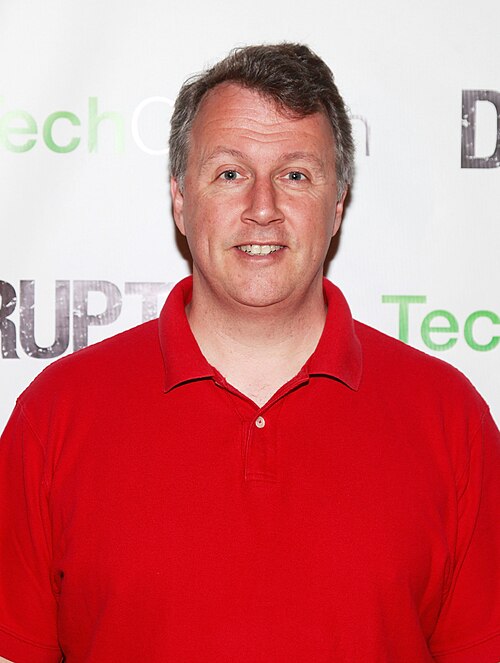 Paul Graham
It is better to build something new, even if it feels awkward, than to make sophisticated observations about what others have already built.
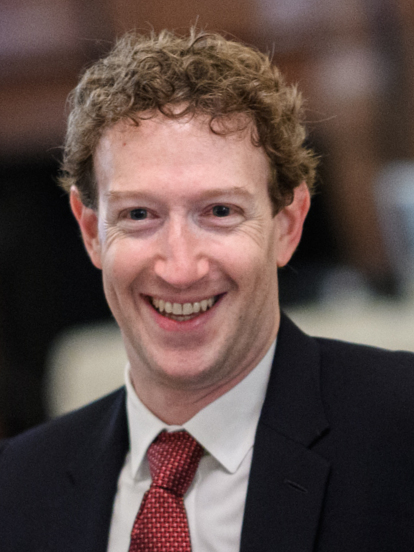 Mark Zuckerberg
It is a beneficial part of human nature to underestimate future pain, as it allows people to start ambitious projects they might otherwise avoid.
 Reid Hoffman
When exploring new technology, focus on iterating toward positive outcomes and human connection rather than getting paralyzed by potential negatives.
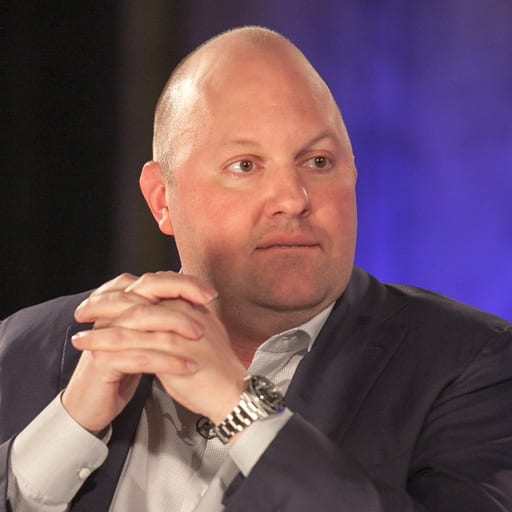 Marc Andreessen
Startups must act as the 'bourgeois capitalists' of the modern era to poke, prod, and disrupt stagnant systems into action.
Using social skills to mask internal misery is a draining business skill that leads to burnout and inauthenticity.
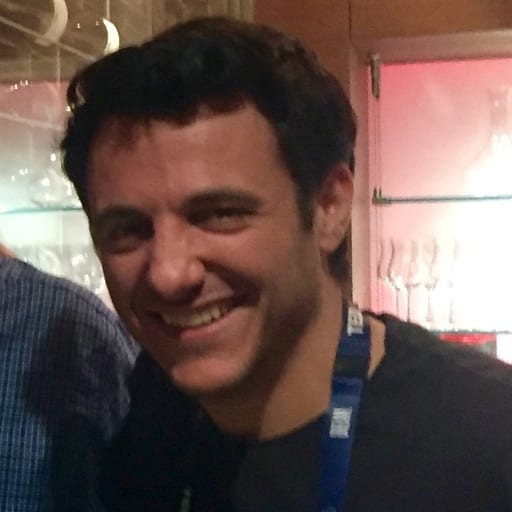 Tim Urban
One should appreciate numbers for their precision and clarity compared to the often vague and subjective nature of words.
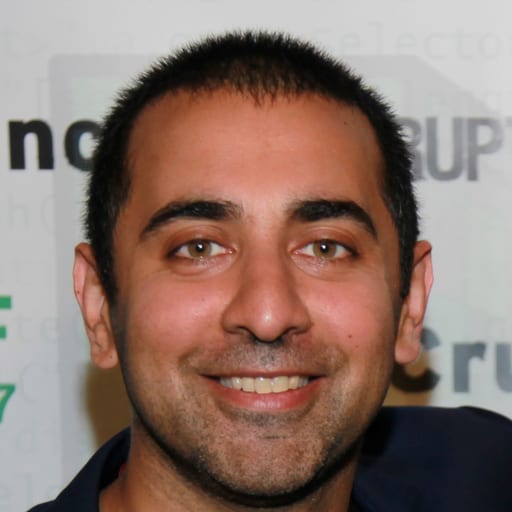 Balaji Srinivasan
Authorities often label real economic threats as conspiracy theories until it is too late to hedge against them.
 Noah Kagan
Create a dedicated space to store positive messages and testimonials to combat future moments of discouragement.
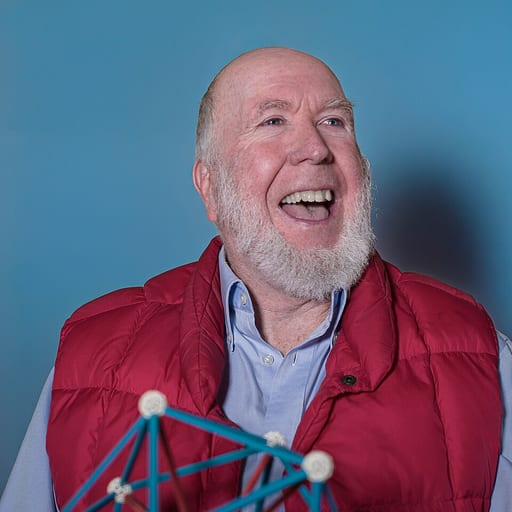 Kevin Kelly
Breakthroughs are often driven by young, obsessive individuals who work long hours and use humor to navigate technical challenges.
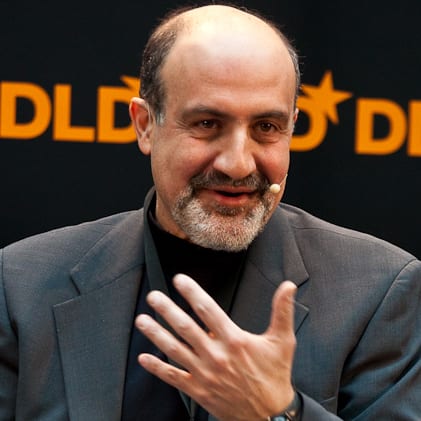 Nassim Nicholas Taleb
Clear thinking is not a prerequisite for courage but a result of it; one must be brave enough to see the world as it is.
 Dario Amodei
Major breakthroughs often come from creative connections and scrappy projects rather than massive funding or random search.
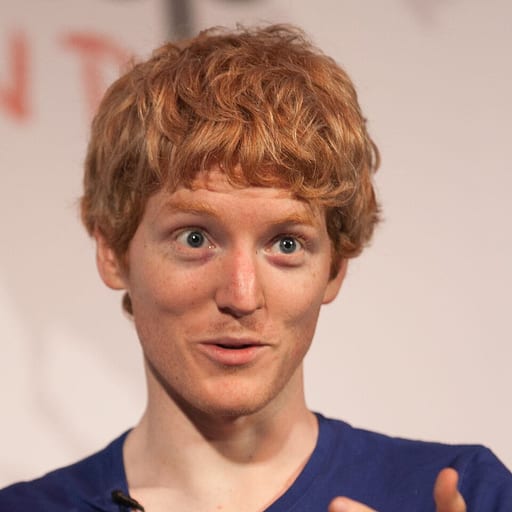 Patrick Collison
Success often depends on external stability that makes complex systems like agriculture or business possible.
 Andrej Karpathy
Prefer paying for services to ensure your data is not the primary source of monetization for the company.
 Derek Sivers
Understand that beliefs have a contextual value; what is constructive for one person's life might be destructive for another.
 MrBeast (Jimmy Donaldson)
Set massive, singular goals not for vanity, but to provide a reason to work hard every single day.
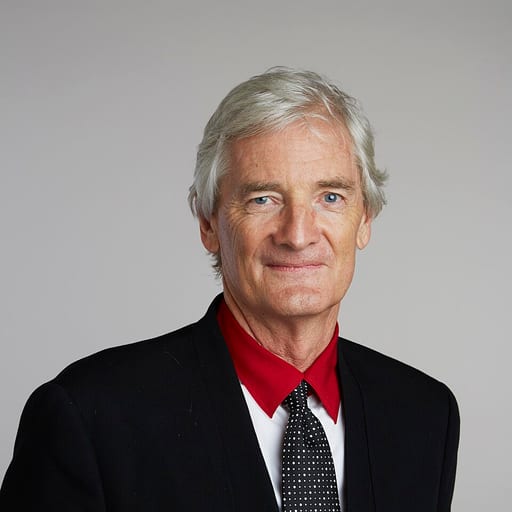 James Dyson
Periods of political or economic uncertainty can be viewed as opportunities for agile businesses to gain an edge.
 Seth Godin
A founder must recognize that well-meaning advice is a gift of wisdom, not an attack on their current performance or appearance.
Episodes are real events from public sources, summarised by us.
Jensen HuangThe constant threat of bankruptcy led to the unofficial motto: 'Our company is thirty days from going out of business.' Jensen used this to start internal meetings for years to maintain a high-performance culture.
LessonA shared sense of healthy paranoia can keep a team focused and prevent the lethargy of success.
Paul GrahamThree programmers whose startup was acquired by a large company found that their release cycle slowed from instant to two weeks. They told Paul Graham they would have traded up to half of their acquisition price just to regain the ability to release code immediately.
LessonHigh-performing talent values the autonomy to ship work more than significant amounts of personal wealth.
Reid HoffmanReid Hoffman interviewed comedian Trevor Noah to discuss the future of technology and optimism. He was surprised to find that beneath Noah's satirical comedy lies a very broad and deep belief in human potential.
LessonEven those who critique society's flaws can be driven by a profound sense of what is possible for the future.
Tim UrbanTim Urban created charts representing a 90-year life in years, months, weeks, and days to grasp the finite nature of time. He realized that even a long life fits on a single sheet of paper when viewed as dots of days.
LessonVisualizing time as finite units helps in making better decisions about how to spend it.
Kevin KellyKevin Kelly analyzed the blurry evidence of UFOs and concluded that alien presence is the most logical explanation. He theorized that they are machine probes seeking novel ideas rather than physical beings wanting to land.
LessonLook beyond the surface of 'blurry' data to find the underlying motivation or 'scarcity' that drives a market or behavior.
Derek SiversA creator named Aero sold their first product online but feared being labeled a sellout. They used Derek's philosophy to view money as a marker of how much they helped the community.
LessonReframe earning money as a metric of helpfulness to overcome the guilt of selling.
 Robert Greene
While walking in Moscow, Greene was stopped by soldiers for his papers because he looked like an outsider despite his Russian ancestry. He realized it wasn't his features but his open expression that stood out against the hardened, suspicious look of the locals.
LessonYour internal mindset and life experiences are visible in your bearing and can immediately signal whether you belong to a group.
As a child, FDR complained about his strict schedule, so his mother allowed him one day to do whatever he wanted. He ended up following his usual schedule exactly, but was much happier simply because he chose to do it himself.
LessonThe feeling of control over one's actions is often more important for happiness than the actions themselves.
Russell explored the impact of fear on success by drawing lessons from a 1921 book by Dr. Frank Crane. He broke down four essential steps to reframe fear and face worst-case scenarios to move forward.
LessonFounders must treat fear as a psychological hurdle to be managed through specific mental frameworks rather than an avoidable emotion.
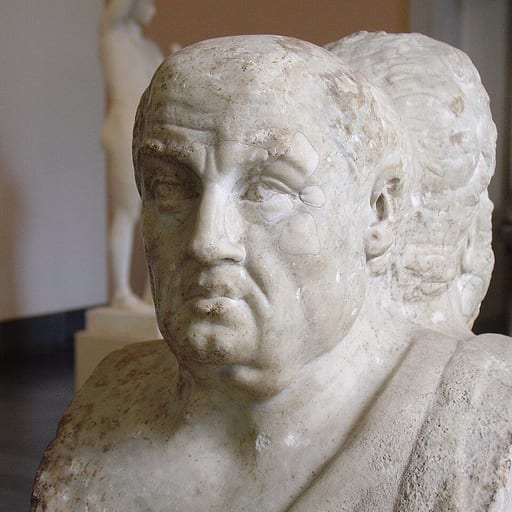 Seneca the Younger
Seneca observed that many people focused on specialized skills like astrology, wrestling, or stage mechanics without improving their character. He argued that these skills serve luxury or amusement rather than virtue.
LessonTechnical expertise is a tool for life, but it should not be mistaken for the wisdom needed to lead or live well.
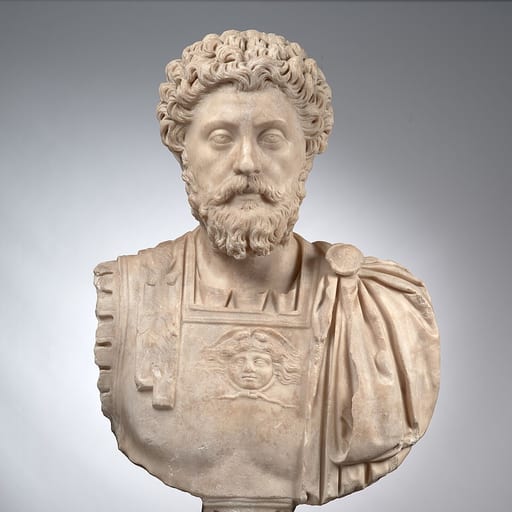 Marcus Aurelius
Spinoza analyzed the Bible not as an infallible document, but as a collection of historical texts with errors and conflicting sources. He argued that many events described as miracles were actually natural phenomena explained through the limited knowledge of the authors.
LessonFounders should look past the 'miraculous' marketing of success stories to find the natural, logical causes behind them.
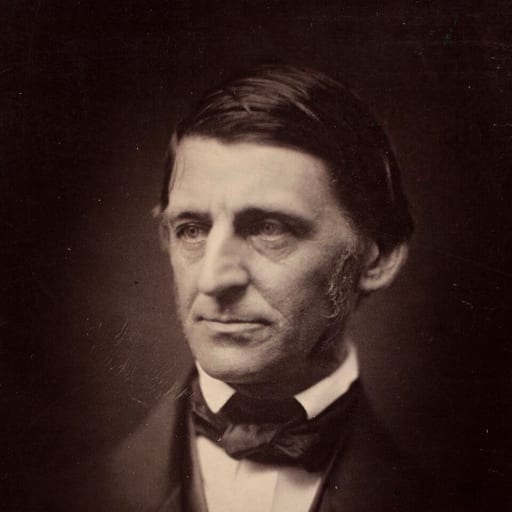 Ralph Waldo Emerson
A young soldier admitted to his sister that he lacked natural courage but resolved never to let anyone find out. He forced himself to enter every dangerous place and do exactly what he feared to overcome his infirmity.
LessonCourage is not the absence of fear but the dogged resolution to act despite it.