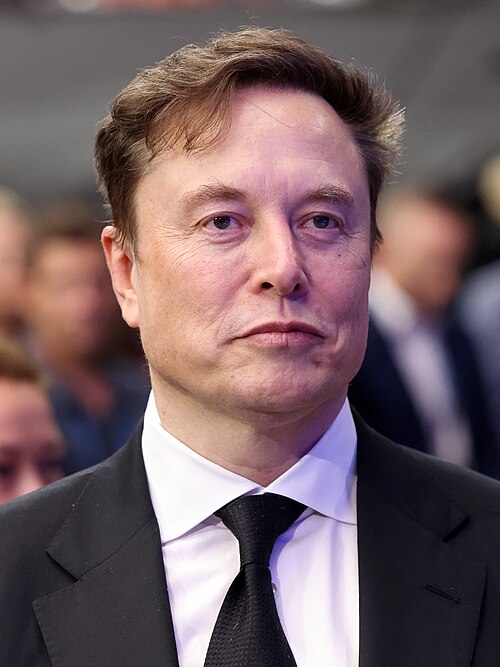
 Elon Musk
Be an information sponge
Musk learned rocket science by reading physics textbooks and manuals and interviewing experts rather than just hiring someone to do it for him.
Topic
Learning fast and deep
Picked for this topic from the basic records of many masters.
Principles are our summary of their public statements.
Elon MuskMusk learned rocket science by reading physics textbooks and manuals and interviewing experts rather than just hiring someone to do it for him.
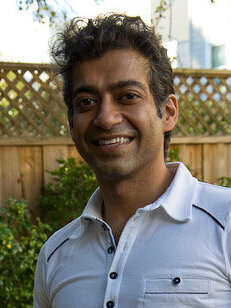 Naval Ravikant
True learning often involves overturning central dogmas that people take for granted in their base reasoning.
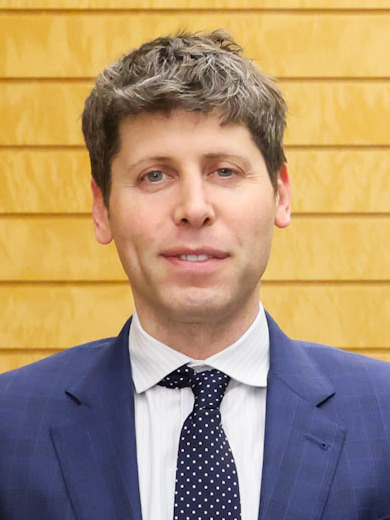 Sam Altman
Recognize that future generations will likely view current common practices as unethical. Stay open to ideas that seem radical today but may become the moral standard later.
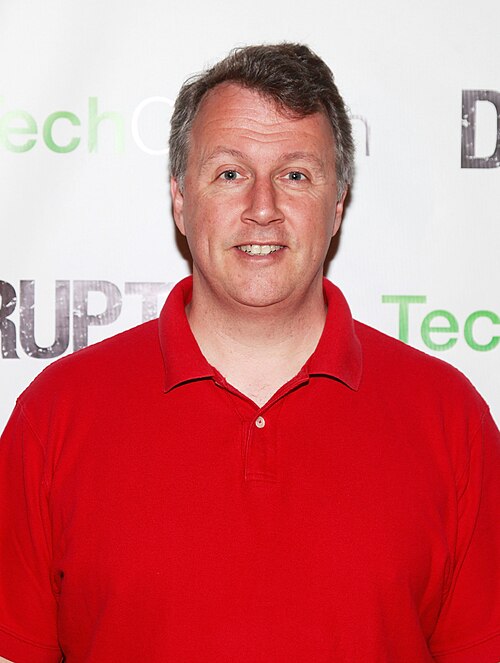 Paul Graham
Successful founders actively seek out flaws in their plans and listen intensely when someone points out a potential problem.
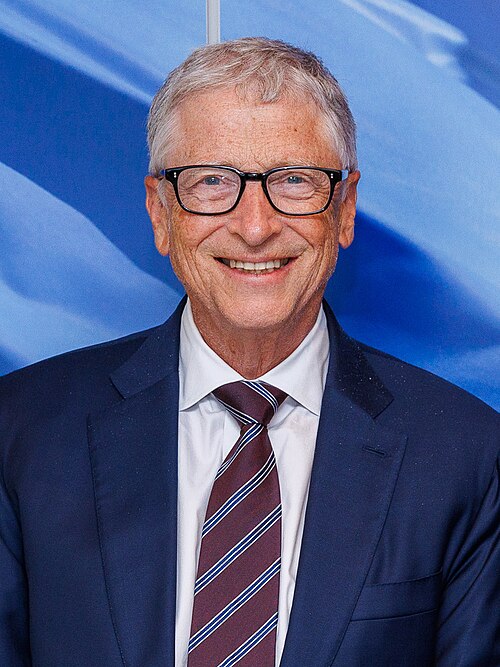 Bill Gates
One should actively seek out experts to identify flaws in their work and maintain a constant feedback loop for improvement.
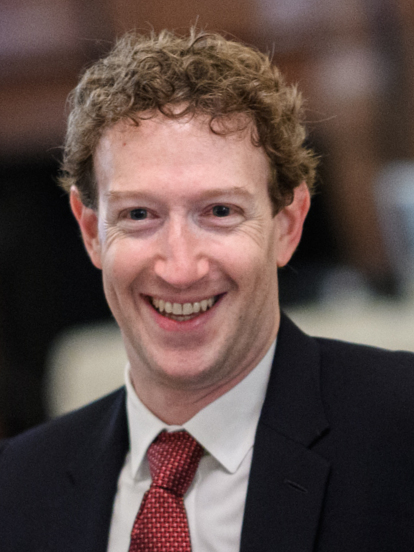 Mark Zuckerberg
Building numerous small projects helps a founder master new technologies and understand what truly drives user engagement before launching a major product.
 Reid Hoffman
Evaluate new technology by comparing its error rate to the existing human alternative rather than demanding perfection from the start.
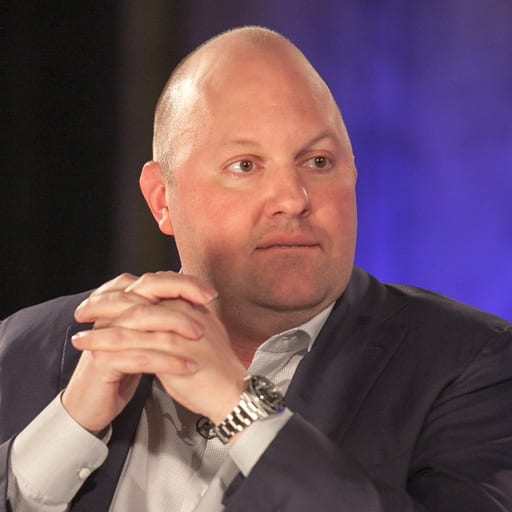 Marc Andreessen
Early in a career, join a proven high-growth company to gain skills and reputation before taking the higher risk of a raw startup.
Mastering accounting is essential for any founder because it exposes the inner workings of business and opens doors to investing.
 Tim Urban
Every system has a hard maximum and minimum based on its physical properties, such as the 194 dB limit for sound on Earth.
 Balaji Srinivasan
Deepen understanding of complex technical structures by writing your own implementation and verification logic.
 Noah Kagan
Rapidly experiment with different roles or business ideas to find the one that truly resonates with your passions.
 Tobi Lütke
State an incorrect opinion with high conviction to prompt others to provide the correct information quickly.
 Kevin Kelly
Trying something new is only half the battle; documenting and sharing the results creates value for others and clarifies one's own learning.
 Nassim Nicholas Taleb
Avoid spending excessive time on subjects like history that are frequently revised, and focus on foundational tools like math.
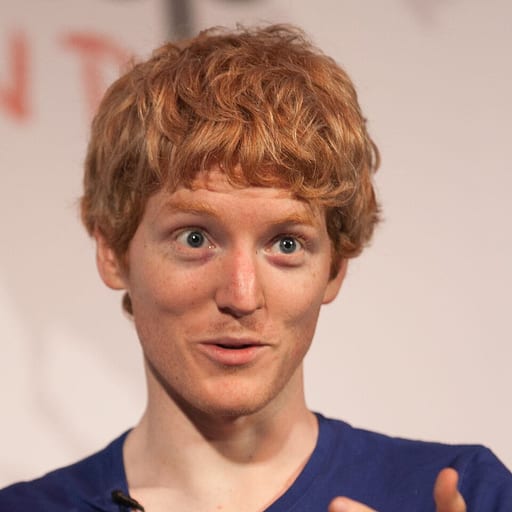 Patrick Collison
High-impact ideas often emerge from groups of people who share a common bent but maintain diverse, broad interests and a desire to communicate with the public.
 Andrej Karpathy
To master a skill, study both excellent and poor examples to recognize exactly what makes something fail or succeed.
Deliberately look at familiar products or industries with fresh eyes to avoid missing the next big cycle.
 Derek Sivers
Read for self-improvement based on current needs and take notes for personal reflection rather than for external review.
 Seth Godin
Instead of reflexively defending the current path, one should mentally and practically simulate the advisor's suggestion to see where it leads.
 Robert Greene
One should ignore a writer's political slant or emotional hyperbole and focus strictly on the sober facts they present to form an independent analysis.
Investing in expensive, specialized knowledge from masters like Dan Kennedy can yield disproportionate returns for a business.
Test established mental models to see if they still apply to the current reality, as both the world and the self change over time.
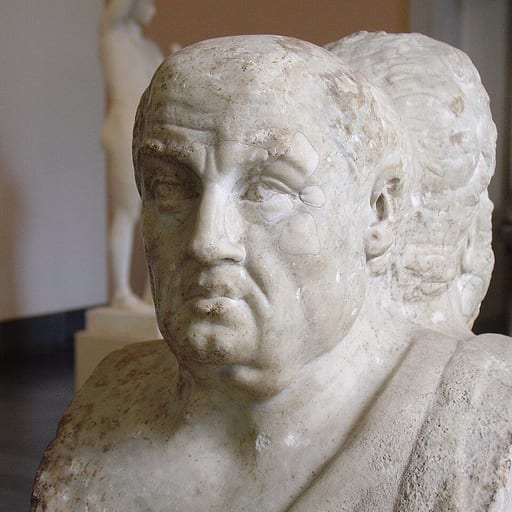 Seneca the Younger
Engaging in study and philosophy provides the mental strength necessary to endure and overcome physical hardships.
Episodes are real events from public sources, summarised by us.
Elon MuskWhile on a celebratory trip to Las Vegas with the PayPal team, Musk spent his time studying a moldy Soviet rocket manual. He was already focused on space travel while others were focused on their recent financial success.
LessonTrue obsession with a new domain requires studying the hard technical details even during leisure time.
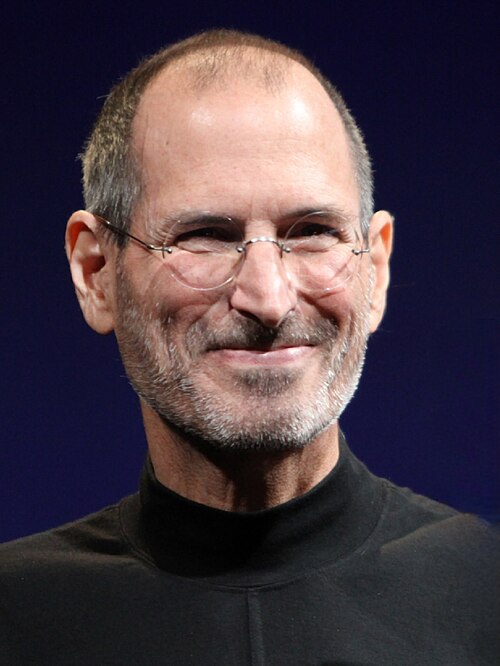 Steve Jobs
As a young founder, Steve Jobs called Intel's Bob Noyce, Andy Grove, and AMD's Jerry Sanders to ask for quarterly mentorship lunches. To his surprise, every single one of them agreed to meet and share their wisdom.
LessonDon't be afraid to reach out to experienced leaders; most are willing to mentor those who show genuine curiosity and initiative.
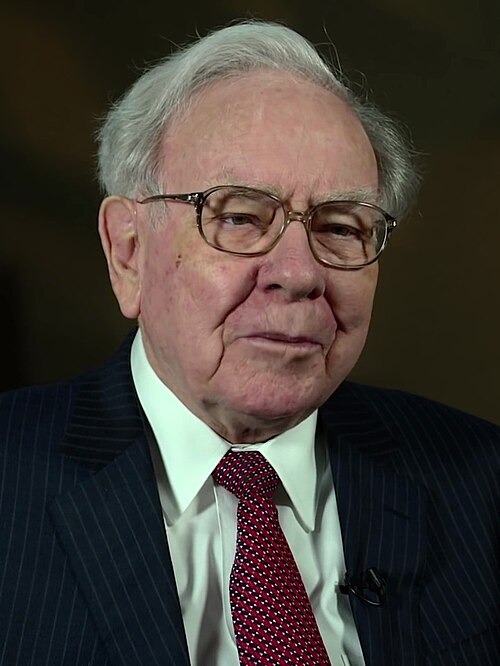 Warren Buffett
Before 1949, Buffett tried market charting and following commentators without success. Reading Ben Graham's book provided a logical framework that changed his entire financial life.
LessonA logical, easy-to-understand framework is more valuable than complex formulas or market predictions.
Naval RavikantNaval followed a mentor he never met and initially wanted to be exactly like him. He eventually realized the mentor's true message was to stop emulating others and be himself with intensity.
LessonThe best lesson a mentor can give is to stop trying to be like them and start being yourself.
Sam AltmanDuring Y Combinator interviews, Sam noticed a shift where more high-quality companies were focusing on general blockchain applications rather than just Bitcoin itself. This led him to believe the underlying concept was more durable than any single currency.
LessonLook at the quality of founders entering a space to judge the long-term importance of a technology.
Paul GrahamPaul Buchheit began angel investing a year after Paul Graham but was immediately effective at picking winners. His success came from his ability to empathize with founders rather than his years of experience.
LessonThe ability to recognize and resonate with talented founders is more important than technical investment experience.
Bill GatesTo learn how operating systems were built, Gates went to the Computer Science Center and retrieved discarded code listings from garbage cans. He studied these great programs written by others to improve his own skills.
LessonResourcefulness and studying existing excellence are the fastest ways to master a craft.
Reid HoffmanA friend's daughter used an AI tool to help her understand complex scientific papers. She uploaded a paper on organic chemistry and asked the AI to explain it to her as if she were fifteen years old.
LessonAI can act as a personalized tutor that simplifies complex information for specific skill levels.
Marc AndreessenMarc studies James Burnham's 1941 book which predicted the rise of a managerial class that controls large institutions without owning them. He uses this to explain why modern public companies often stop innovating.
LessonFounders should recognize that as companies grow complex, they risk losing their creative edge to a non-inventive managerial class.
Tim UrbanTim Urban shared an audiovisual illusion where the same sound is perceived differently depending on the visual clip being watched. He used this to illustrate how the brain integrates conflicting information from different senses.
LessonFounders should realize that their interpretation of data or feedback can be skewed by the context in which they receive it.
Noah KaganNoah interviewed the General Manager of The Four Seasons in Austin to extract the secrets of their world-class service. They discussed the '3 P's' and how the hotel maintains its reputation since 1994.
LessonStudying established world-class brands can provide frameworks for any small business to improve its service and hiring.
Kevin KellyKevin Kelly reviewed Robert Hazen's paper on Mineral Evolution, which argues that life is responsible for most of Earth's 4,300 mineral species. He extended this logic to suggest that technology will similarly create new 'technogenic' minerals.
LessonFounders can find breakthrough ideas by taking a proven theory from one field and extrapolating its logic to their own industry.