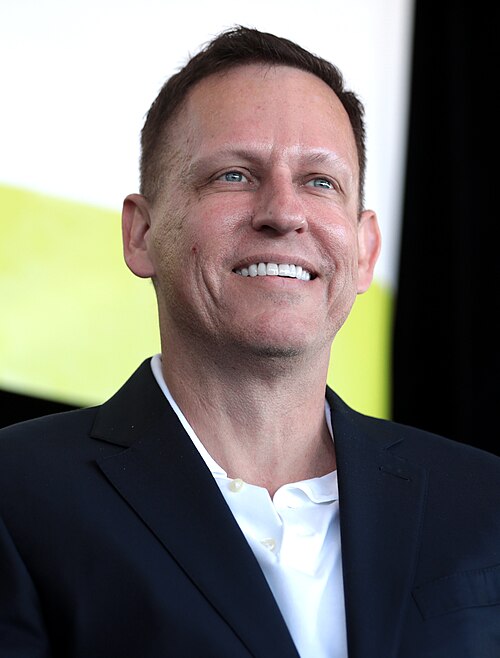
 Peter Thiel
Solve Monumental Global Needs
A business should aim to solve fundamental problems that affect everyone, such as the inconvenience and insecurity of traditional paper money.
Topic
What to build and how to tell if an idea will work
Picked for this topic from the basic records of many masters.
Principles are our summary of their public statements.
Peter ThielA business should aim to solve fundamental problems that affect everyone, such as the inconvenience and insecurity of traditional paper money.
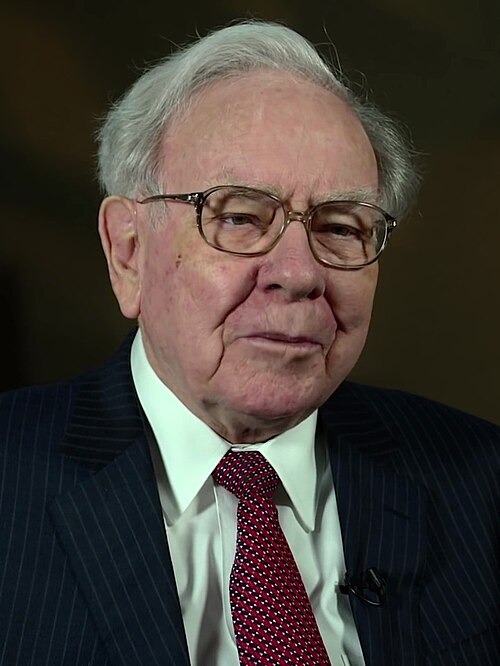 Warren Buffett
Engage in a set of activities to generate many ideas, then narrow them down to focus on and execute the best one.
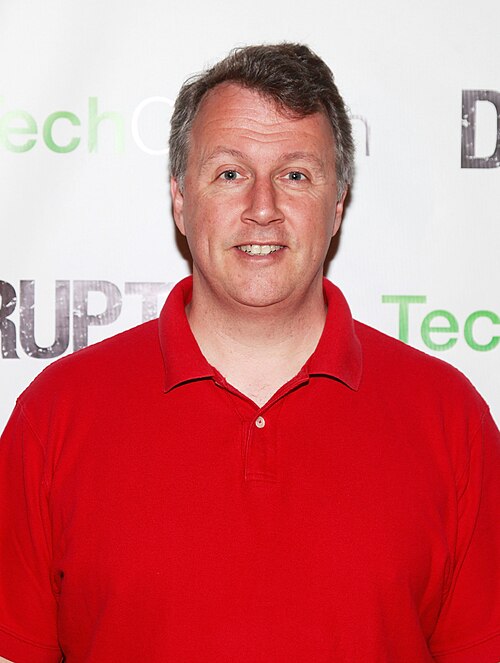 Paul Graham
Instead of forcing startup ideas, founders should work on interesting side projects that explore powerful ideas and new technologies.
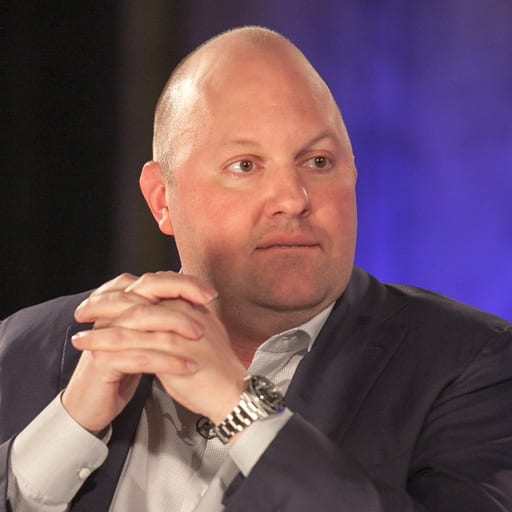 Marc Andreessen
Valuable inventions often emerge as side effects of other work; founders must be alert to recognize these opportunities when they appear.
Build products that solve your own problems to ensure a deep understanding of the market and user needs without needing to pivot.
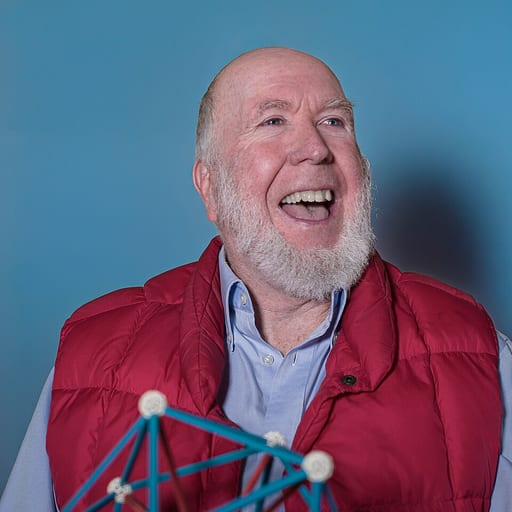 Kevin Kelly
The most generative and open-ended opportunities are always found at the uncertain margins of technology rather than the established center.
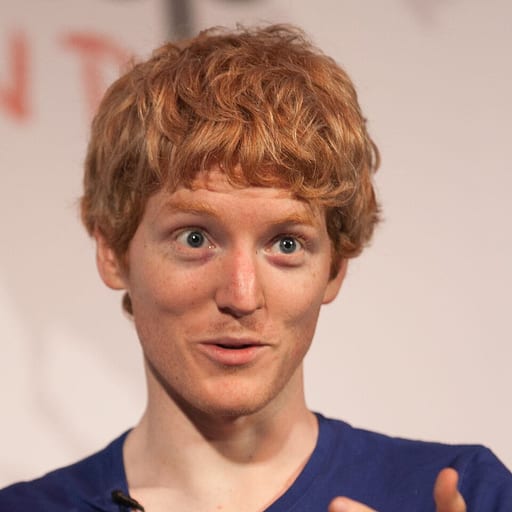 Patrick Collison
Look for areas where formal systems are too slow or expensive, and create platforms that capture informal, compounding wisdom from community experiences.
Entrepreneurs should look beyond their local market to find innovative business models in other regions, such as Asian social networking sites.
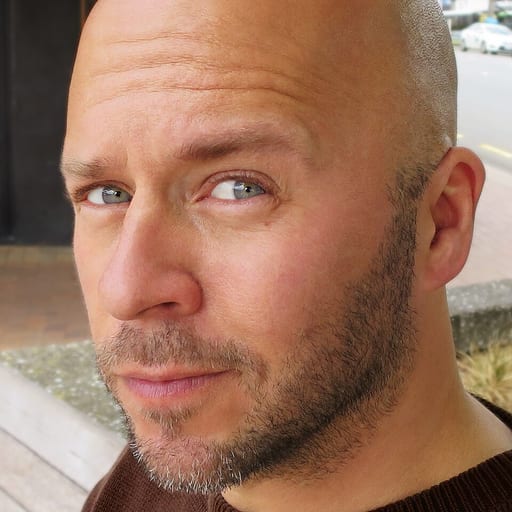 Derek Sivers
Focus on the process of solving a problem before worrying about formal business structures like names or registration.
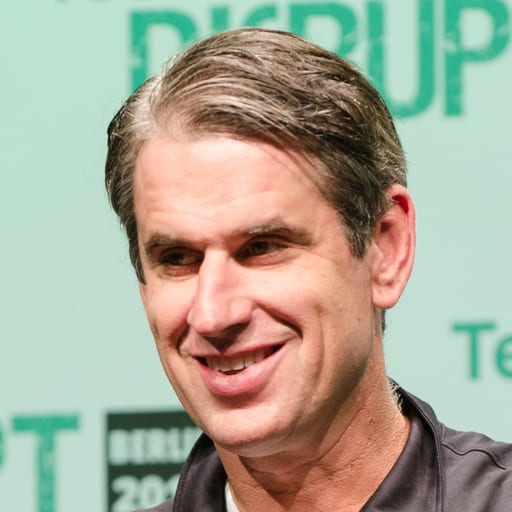 Bill Gurley
Core technology used for controversial purposes can often be repurposed into a legitimate B2B service for the very industries it once disrupted.
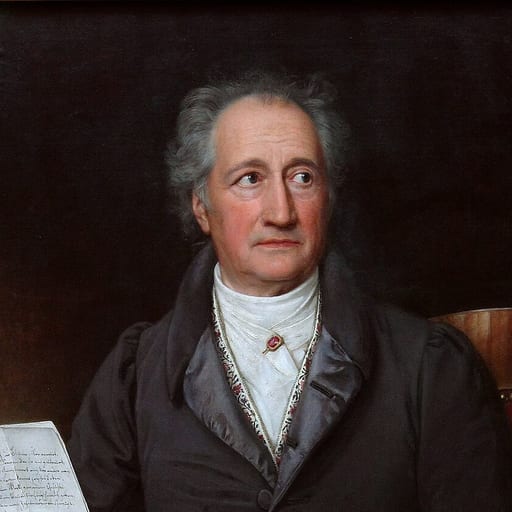 Johann Wolfgang von Goethe
Instead of searching for entirely new ideas, focus on internalizing and reapplying timeless truths to your own experience.
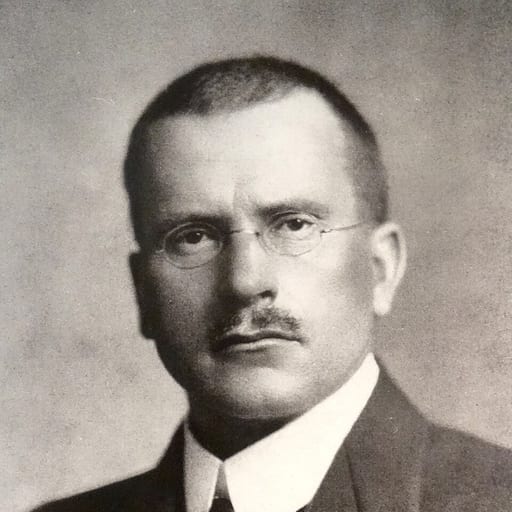 Carl Jung
Future trends often exist as faint, unconscious patterns before they become clear enough for conscious recognition.
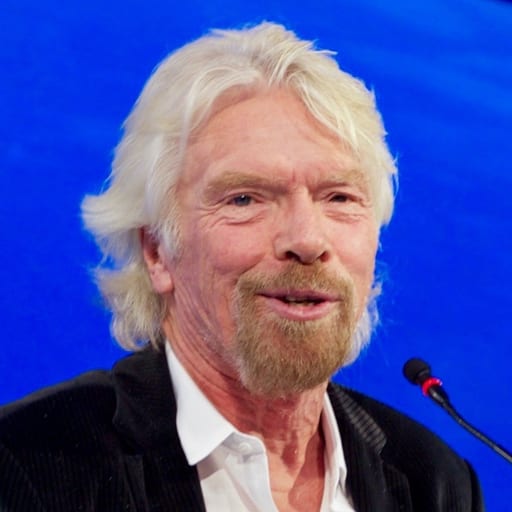 Richard Branson
Start a business when you see a service being done poorly by others and believe you can improve it.
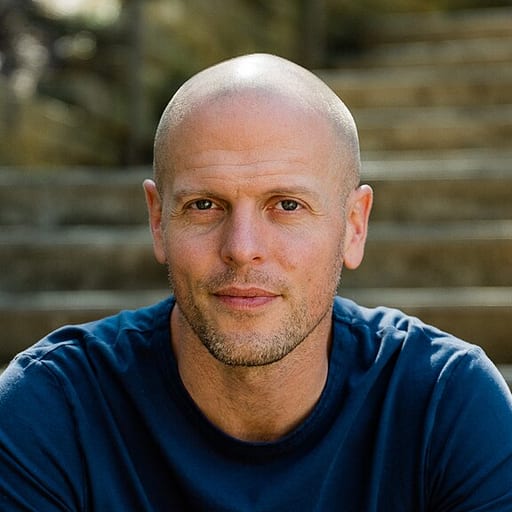 Tim Ferriss
Identify a specific customer base and their existing needs before developing a product. It is much easier to fill an existing demand than to try and create a new one from scratch.
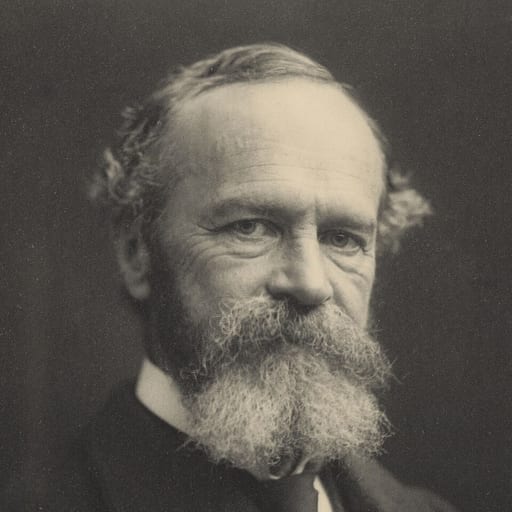 William James
Originality requires being sensitive to evidence that points in a specific direction before absolute proof exists. Great initiatives start with a 'dumb conviction' that a particular notion can be made to work.
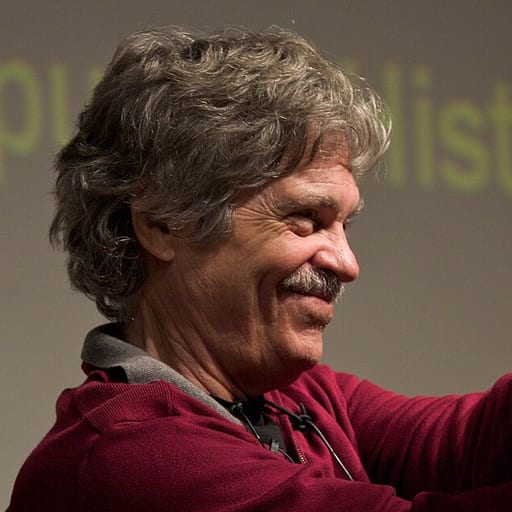 Alan Kay
Focus on creating fundamental ideas that can root entire industries, such as object-oriented programming or portable computing.
Opportunities exist where major platforms like Google or Airbnb delete negative reviews or manipulate data to protect their interests.
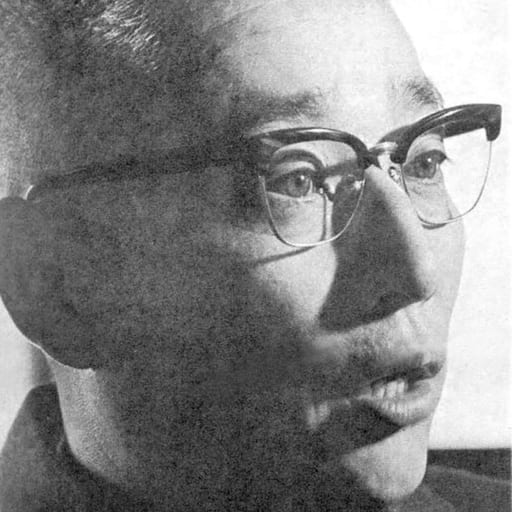 Akio Morita
True innovation creates behaviors that do not yet exist, so consumers cannot tell you they want it through focus groups or surveys.
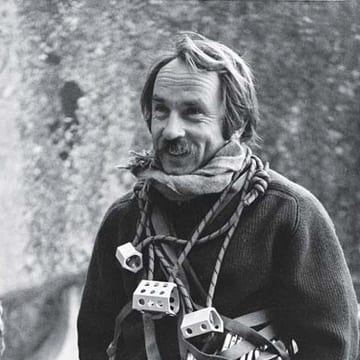 Yvon Chouinard
Chouinard started making his own tools to save money and adapt to his specific climbing style, which naturally evolved into a business.
 Eric Ries
Look for sectors where the most expensive resources are the least utilized due to outdated technology.
 Chris Dixon
Market opportunities exist in providing technology or strategies that correctly value top-of-funnel activities.
 Patrick McKenzie
Focus on finding an unfilled niche where people are actively suffering from a problem. If you are the only one providing a solution, customers will pay regardless of how simple the software seems to others.
 Rob Walling
Limit the time spent searching for a niche to 30 days to avoid getting stuck in the thinking phase.
 Steven Pressfield
Creative configurations are found by paying constant attention to what works in the world and experimenting with those observations.
Episodes are real events from public sources, summarised by us.
 Naval Ravikant
Vitalik took a break from university to visit Bitcoin communities worldwide. He discovered projects trying to use blockchain for more than just currency, which led to his vision for a general-purpose blockchain.
LessonImmersing yourself in a community can reveal the missing link needed to evolve an existing technology.
 Jeff Bezos
 and David Shaw brainstormed the idea of an 'Everything Store' that would act as an algorithmic intermediary between manufacturers and consumers. They realized that the Internet could bypass traditional physical retailers like Walmart by using a dropshipping model.
LessonVisionary ideas often start as broad concepts that must be narrowed down into a practical, executable first step.
Paul GrahamIn 1976, very few people wanted a personal computer, but Steve Wozniak built one because he wanted it for himself. This small initial interest grew into a massive global market where almost everyone now owns a computer.
LessonA tiny market of passionate users is a better starting point than a broad market with lukewarm interest.
 Reid Hoffman
Nan Ransohoff hosted a symposium at Stripe with 40 scientists and policymakers to determine if eliminating respiratory infections was technically possible. The group concluded that while difficult, the problem was increasingly tractable due to better tools and protein design. This gave them the confidence to launch a new initiative focused on making these infections a thing of the past.
LessonFounders should validate the technical feasibility of a massive goal by gathering diverse experts before committing significant resources.
Marc AndreessenOpenAI did not originally set out to build ChatGPT; it began as a side project by Alec Radford. Building on Google's research, this unexpected direction led to the current revolution in large language models.
LessonBreakthrough innovations often emerge from unexpected side projects rather than core strategic plans.
 Marc Randolph
While working at Pure Atria, Marc Randolph and Reed Hastings commuted together for an hour each way between Santa Cruz and Sunnyvale. During these rides, Randolph pitched various business ideas to Hastings, eventually leading to the concept for Netflix.
LessonConsistent informal time with a mentor or partner can refine raw ideas into viable businesses.
 Noah Kagan
Alex Lieberman and Austin Rief noticed a gap in how business news was delivered to their generation. They decided to build a daily newsletter that they personally wanted to read.
LessonSolve a personal frustration within an existing market to find immediate product-market fit.
Kevin KellyAfter traveling, Kevin started a mail-order catalog for travel books that were unavailable in the US. He imported self-published guides like Rick Steves' and early Lonely Planet books to sell to a niche audience.
LessonIdentify valuable products in one market that are missing in another to create a unique business opportunity.
Bill GurleyPierre Omidyar created eBay because his girlfriend needed a specific place to trade Pez dispensers online. The market's reaction to this simple solution proved the demand before it became a massive company.
LessonA successful business often starts by solving a very specific, niche demand for a real person.
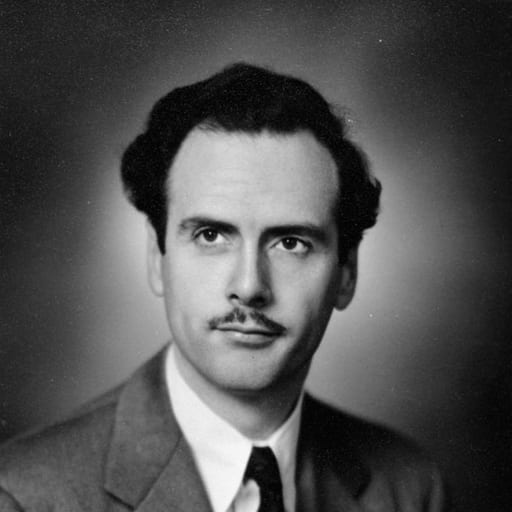 Marshall McLuhan
Collaborating with Wilfred Watson, McLuhan introduced the concept of the 'global theatre' as a successor to the 'global village'. He explored how everyday clichés become archetypes when they are recycled through new technologies and environments.
LessonAs environments change, old behaviors and phrases take on new meanings and become tools for awareness.
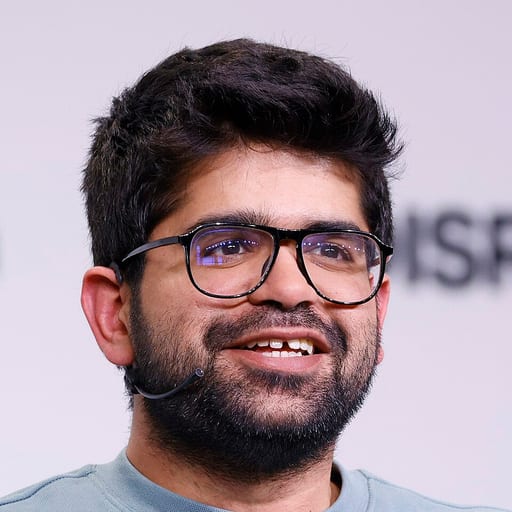 Aravind Srinivas
Aravind noticed that GitHub Copilot was a rare AI product that people were actually paying for and using daily. This convinced him that AI was no longer just a research component but could be the core product itself.
LessonLook for existing products where users are already paying for AI to find viable market opportunities.
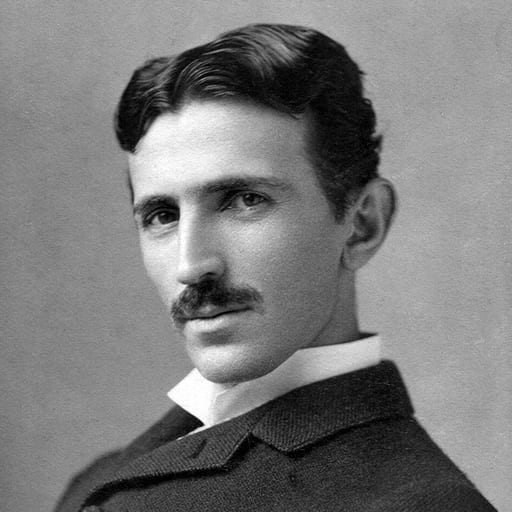 Nikola Tesla
During World War I, Tesla proposed the basic concept of radar to track German submarines. Although ahead of its time, his idea was commercialized and put into practice about 15 years later.
LessonVisionary ideas may take decades to find the right technological environment for practical application.