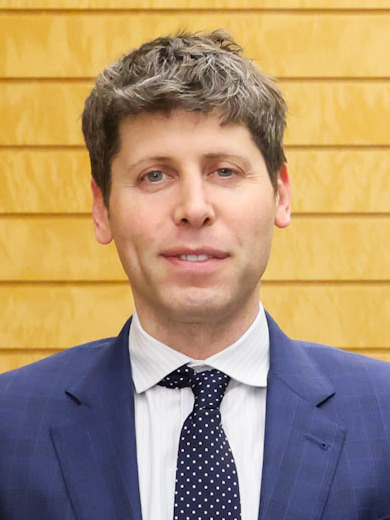
 Sam Altman
Separate advice from capital
Founders should seek the best possible terms for money and the best possible people for advice, even if they come from different sources.
Topic
Whether to raise, from whom, how much
Picked for this topic from the basic records of many masters.
Principles are our summary of their public statements.
Sam AltmanFounders should seek the best possible terms for money and the best possible people for advice, even if they come from different sources.
 Paul Graham
Imposing rules that force founders to act against their interests only attracts low-quality, desperate startups.
 Howard Marks
Raise more capital when markets are distressed and assets are cheap, and raise less when markets are booming and assets are expensive.
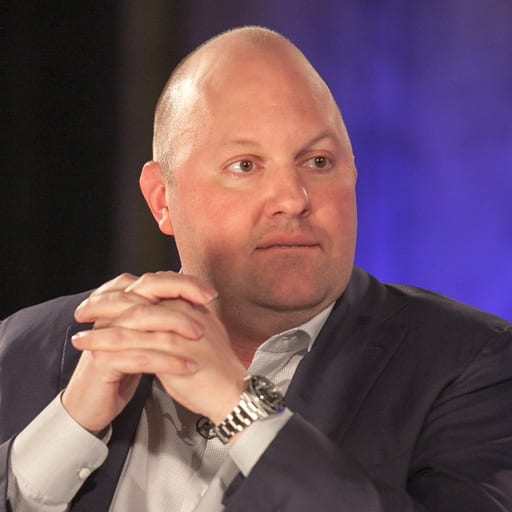 Marc Andreessen
In early-stage fundraising, the reputation and expertise of the investor provide a more valuable signal to the market than a higher valuation from a less experienced source.
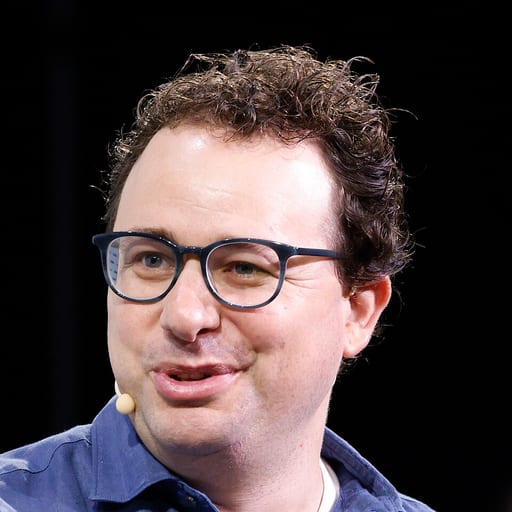 Dario Amodei
Founders should have explicit conversations with investors about non-traditional governance structures to ensure everyone understands potential conflicts with shareholder value.
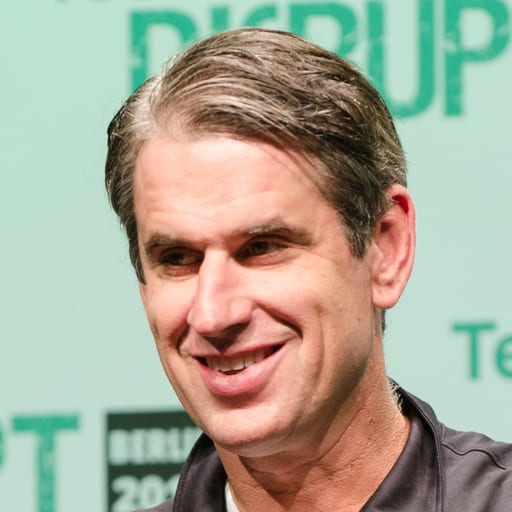 Bill Gurley
Venture capitalists generally have the power to block actions through preferred rights, but they rarely have the legal mechanism to force a sale against a founder's will.
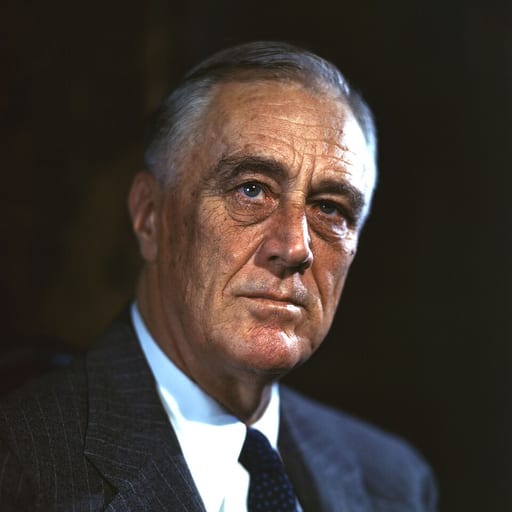 Franklin D. Roosevelt
Entrepreneurs seeking investment must be completely transparent about the facts to allow investors to make informed decisions.
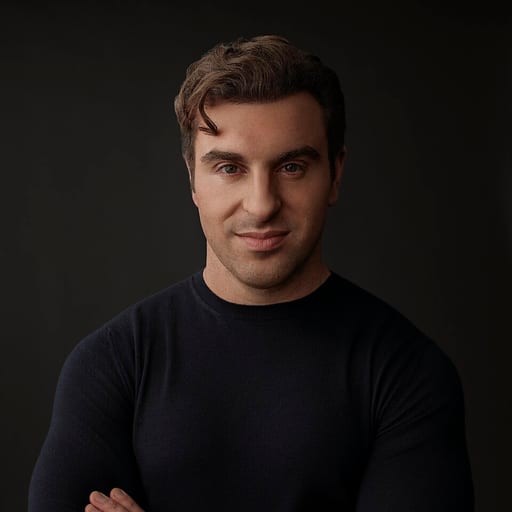 Brian Chesky
Investors value the ability to survive and stay 'default alive' through creative scrappiness more than the initial business idea.
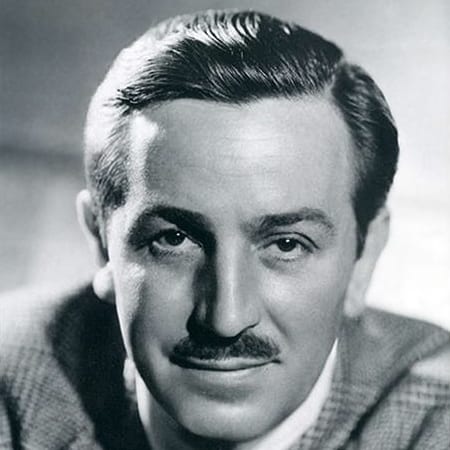 Walt Disney
Use sponsorships to fund high-cost infrastructure and create a flywheel of shared marketing and resources.
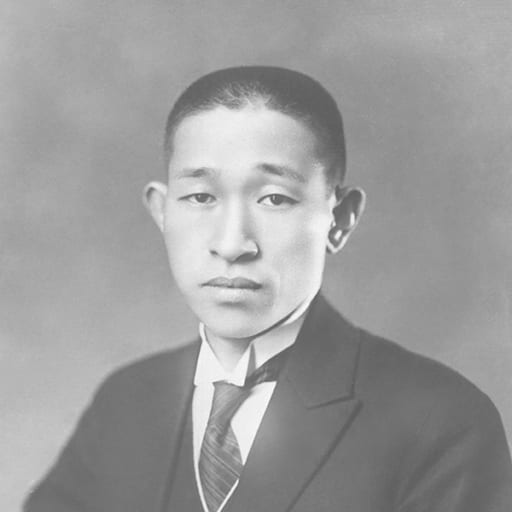 Konosuke Matsushita
When lacking funds or credit, a founder should explain their financial situation honestly and resolutely to partners to build trust and secure alternative payment terms.
 Eric Ries
Use sponsorship funds to offer discounted tickets or scholarships to the general public, lowering the barrier to entry.
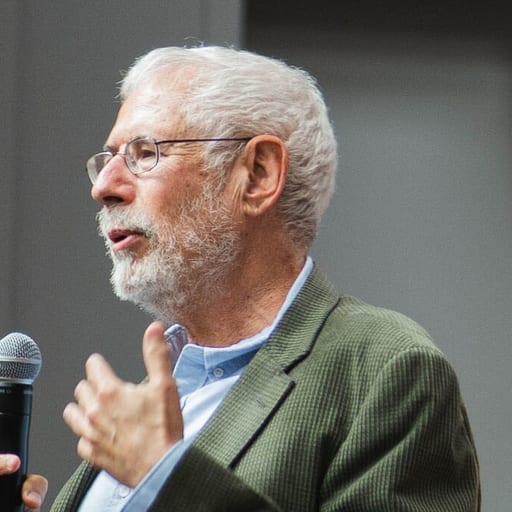 Steve Blank
Never attend a meeting with investors without knowing the specific agenda to avoid being blindsided by difficult news.
 Fred Wilson
Founders should only take bridge loans if necessary, as new investors may view them as a sign of financial weakness.
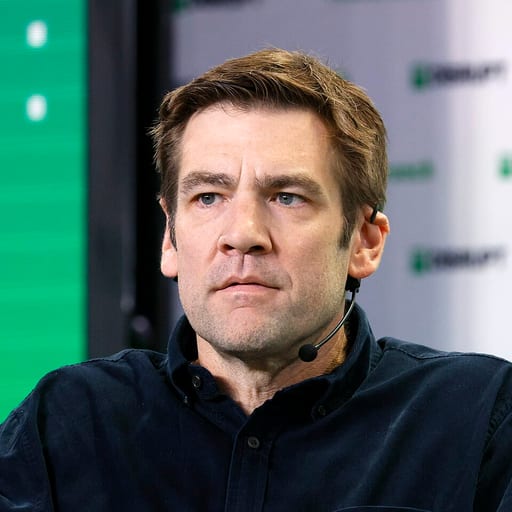 Chris Dixon
Founders should realize that high valuations don't necessarily set a trap for exits because investors are primarily protected by the total amount of money raised, not the valuation itself.
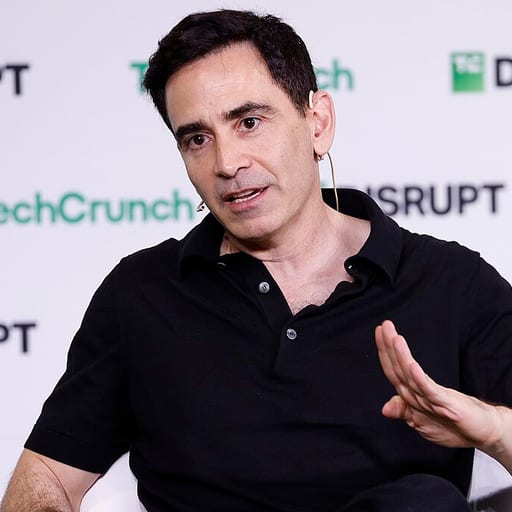 Elad Gil
Founders should not meet VCs for 'relationship building' just a month or two before a raise, as investors will view it as a weak pitch.
 Rob Walling
Founders should look beyond the binary of bootstrapping versus venture capital to find middle-ground options like accelerators or small angel rounds.
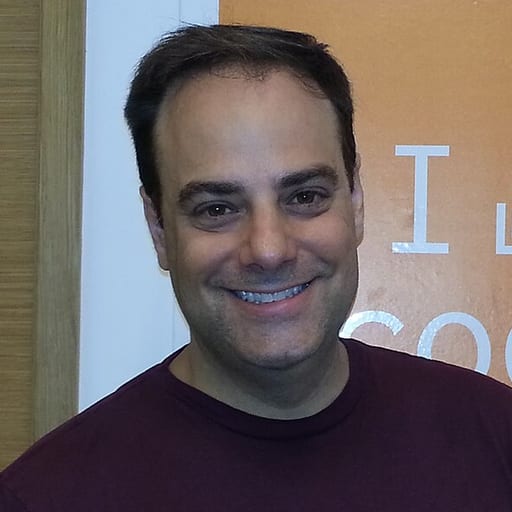 Joel Spolsky
Founders should recognize that venture capitalists often prioritize different outcomes than the long-term health or vision of the founders.
Sam AltmanDo not waste time seeking warm introductions if the funding model is designed to evaluate cold applications based on merit.
Walt DisneyDisney used television programs and other media to generate the necessary capital for massive capital-intensive projects like Disneyland.
Fred WilsonWhile corporate partners offer market traction, relying too heavily on them can be dangerous during economic slowdowns compared to traditional VCs.
Elad GilEntrepreneurs must realize that large funds need massive exits to meet their internal rate of return targets for their own investors.
Rob WallingThe optimal time to raise funding is when the business has a repeatable, scalable process where every dollar invested yields a predictable, higher return.
Sam AltmanHigh valuations in late-stage private companies are often misleading because the deal terms, like liquidation preferences, make them function more like debt than true equity.
Rob WallingFor a bootstrapped company with limited cash, being acquired by a larger firm can provide the necessary capital to scale infrastructure and features without a traditional funding round.
Episodes are real events from public sources, summarised by us.
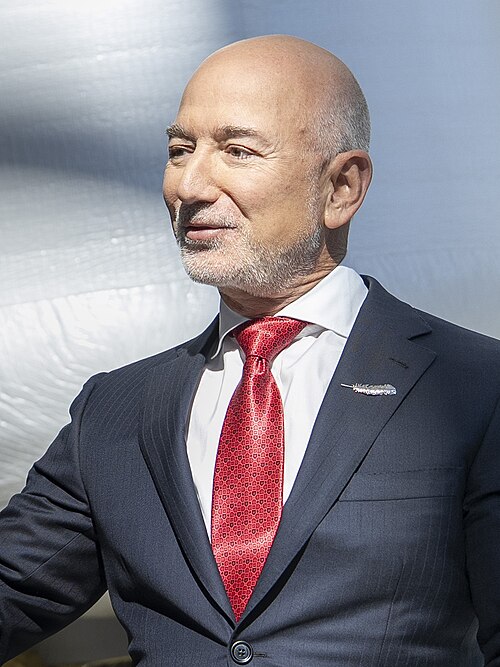 Jeff Bezos
 decided to leave his high-paying job at D. E. Shaw to build an online bookstore. He discussed this with David Shaw during a long walk in Central Park, where Shaw encouraged him despite the loss to the firm. Bezos then spent nearly a year meeting with 22 investors to raise his first $1 million.
LessonTrue entrepreneurial progress often requires the skin in the game that only comes from ownership, not just a salary.
Sam AltmanSam observed many founders who were so obsessed with a high valuation that they rejected high-quality investors. This often resulted in the company facing a difficult down round just a year later.
LessonFocusing on a quantitative 'sticker price' can damage long-term investor alignment and future funding stability.
Paul GrahamPaul Graham observed that founders often struggle with the opaque behavior of investors during phase 2 fundraising. He developed a set of rules to help YC startups navigate the misleading signals and wishful thinking that occur during Demo Day.
LessonInexperienced founders must impose external constraints on themselves because their intuitions about investors are often wrong.
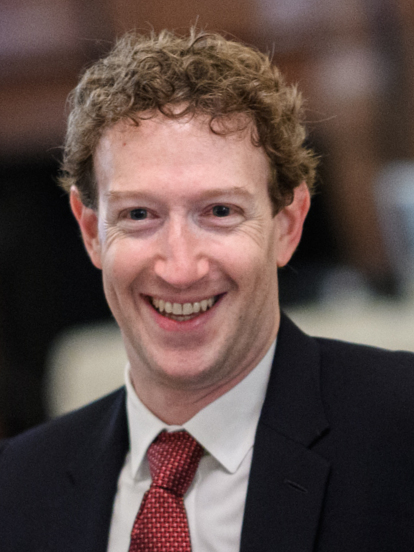 Mark Zuckerberg
To keep up with surging traffic, Mark recruited Eduardo Saverin to invest in servers. They each invested $1,000, and Eduardo handled the formal business setup as a Florida LLC.
LessonEarly infrastructure investment is critical to prevent a growing product from melting down under its own success.
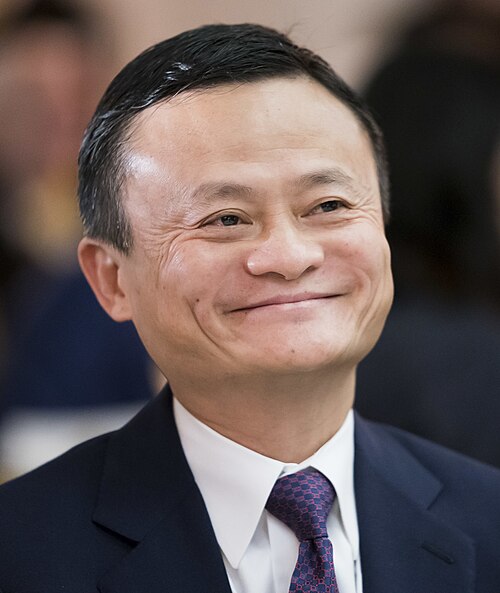 Jack Ma
Alibaba began to grow in earnest after securing investment from Japan's SoftBank in 2000. This capital helped the company scale its operations significantly.
LessonSecuring the right strategic investment is a critical turning point for scaling a startup.
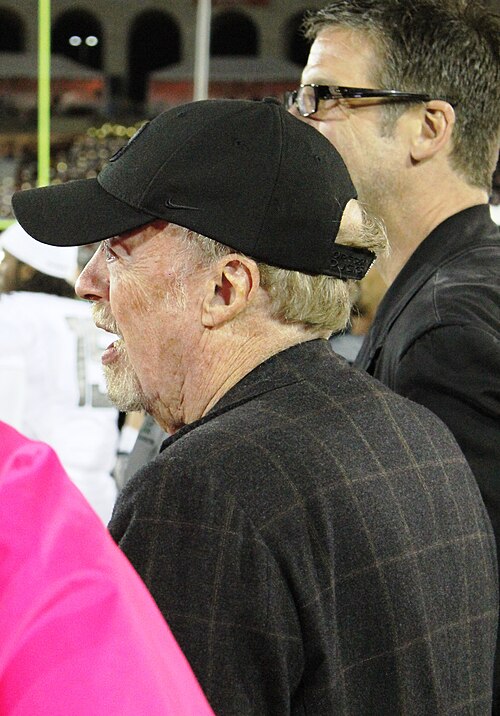 Phil Knight
To raise capital after being rejected by banks, Knight tried to launch a local public offering under the name Sports-Tek Inc to sound like a technology company. The offering failed because local investors and early venture capitalists saw it as a poor investment.
LessonChanging a company's name to follow a trend rarely fools sophisticated investors if the underlying business doesn't match the hype.
Marc AndreessenAfter moving to Silicon Valley, Andreessen met experienced entrepreneur James Clark, who saw the potential of the browser market. They co-founded Mosaic Communications, with Clark providing the capital and Andreessen serving as Vice President.
LessonPartnering with an experienced investor who has capital can turn a technical project into a real business.
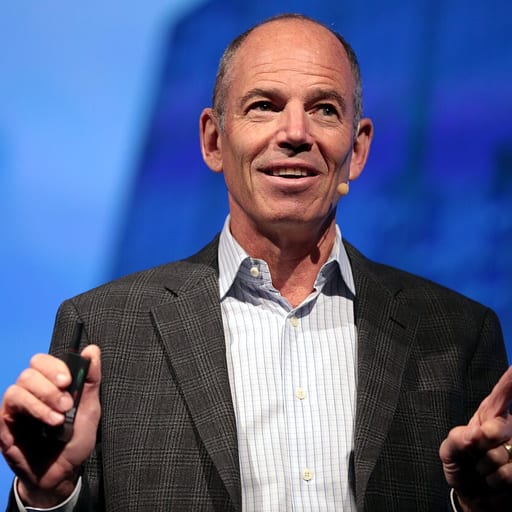 Marc Randolph
Netflix decided to sell 27% of the business to raise the maximum amount of cash possible during a difficult macroeconomic climate. This capital was essential to fuel their growth flywheel and survive against potential competitors like Amazon or Blockbuster.
LessonEven if the price isn't ideal, raising maximum capital during a growth phase can be the difference between stagnation and market dominance.
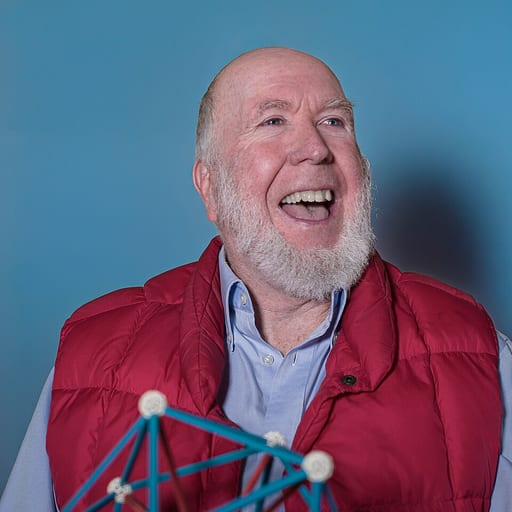 Kevin Kelly
 used Kickstarter to finance his massive photobook set, Vanishing Asia. The project was so large that the printed books filled four 40-foot shipping containers after being printed in Turkey.
LessonCrowdfunding can finance high-quality, large-scale physical products that would be too risky for traditional publishers or solo creators to fund upfront.
Dario AmodeiAnthropic faced a decision on how much compute to buy while generating $10 billion in annualized revenue. Dario noted that building data centers takes years, and being wrong about the timing of AI's economic impact could be ruinous.
LessonTiming your infrastructure investment is as critical as the technology itself to avoid running out of cash.
Andrew Chen and his team raised a $660M fund specifically focused on the games industry. They structured their pitch deck to educate investors on how games have evolved into next-gen social networks and cultural powerhouses.
LessonEven established VCs must pitch and educate their investors by providing clear industry context and 'why now' arguments.
Bill GurleyThe company nCino went public and saw a 195% first-day surge in its stock price. This happened because investment banks ignored massive oversupply and priced the shares far below market demand.
LessonMassive first-day pops are often a sign of poor pricing strategy that leaves money on the table for the company.