 Paul Graham
The Morris Technique
Do not say anything unless you are certain it is worth hearing, and be willing to delete entire paragraphs or essays that do not meet this standard.
Topic
Writing that gets read
Picked for this topic from the basic records of many masters.
Principles are our summary of their public statements.
Paul GrahamDo not say anything unless you are certain it is worth hearing, and be willing to delete entire paragraphs or essays that do not meet this standard.
 Marc Andreessen
Short-form communication is prone to being inflammatory and taken out of context; use longer formats for intellectual or sensitive topics.
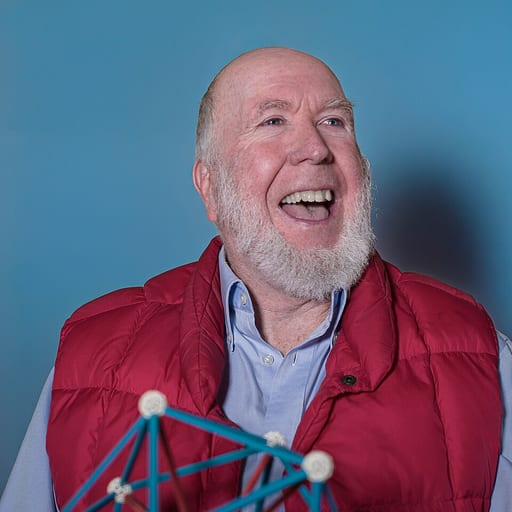 Kevin Kelly
Effective communication involves distilling complex experiences into brief, impactful, and insightful reports.
Use writing and answering difficult questions as a tool to clarify and improve one's own internal logic and decision-making.
 Derek Sivers
Audiences never complain about a talk being too short, so focus on the core surprising insight rather than adding unnecessary context.
Start sentences with phrases that tell the reader how to feel or what to look for before giving them the data.
Write about niche, off-the-beaten-path subjects to attract a high-quality, specific group of like-minded people.
 Dale Carnegie
Description loses its power when carried to an extreme; one should not embroider a simple tool like a dust-cloth.
 Jordan Peterson
Great writing should be so dense with meaning that every sentence is worth attending to and offers something new to the reader.
 Henry David Thoreau
As a creator matures, they must move from delicate aesthetics to work that is more worldly, clear, and nourished by the realities of life.
 Benjamin Franklin
When practicing language skills, use a fixed subject to isolate and improve expression without the distraction of original invention.
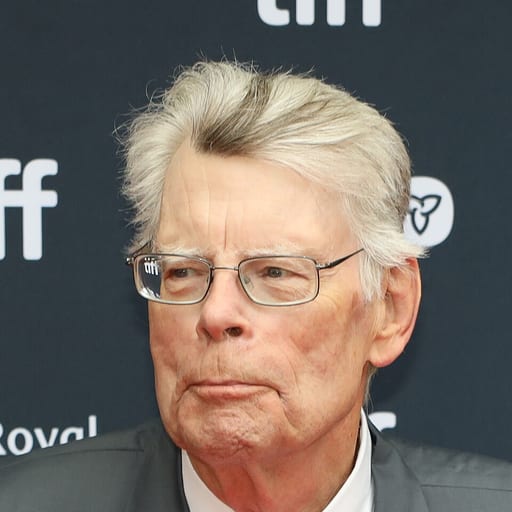 Stephen King
A writer should start with a situation and then allow characters to act according to their own nature rather than forcing them toward a predetermined outcome.
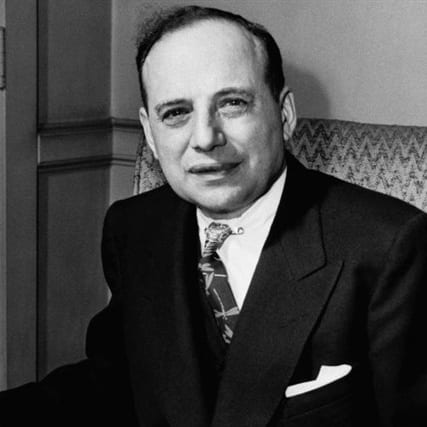 Benjamin Graham
Writing down a clear investment philosophy in books ensures that professional influence lasts for decades and reaches future generations.
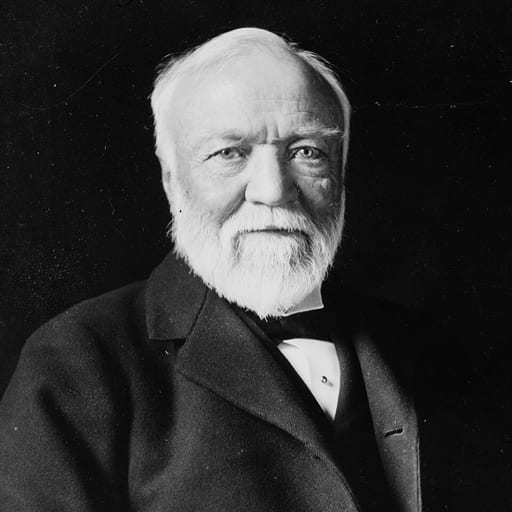 Andrew Carnegie
Success in communication and writing comes from being one's natural self rather than trying to impress others.
 Jason Fried
Avoid technical jargon, internal lingo, and acronyms to ensure the interface is clear to the actual audience.
 David Heinemeier Hansson
Good writing requires the character to do the hard work of clarifying thoughts so that the reader has an easy experience.
 Fred Wilson
Staring at a single image can lead to deeper metaphors and reflections on complex topics like society or business.
Use punchy, digestible structures and skimmable first lines to increase engagement and retweets.
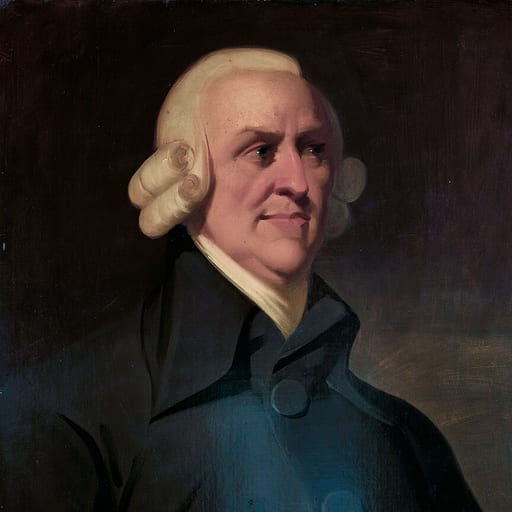 Adam Smith
One should frequently practice translating texts to refine their own writing style and command of language.
 James Clear
Reading work aloud can reveal dissonance and errors that are not apparent when reading silently.
 Steven Pressfield
Analyze examples of riveting prose to learn how to convey action and emotion without unnecessary filler.
Mixing short and long sentences creates a dynamic pace that keeps the reader engaged and moving quickly through the text.
Unlike speech, writing provides the opportunity to reconsider and refine a message before it is finalized, leading to more rational and logical communication.
Henry David ThoreauTrue readability and the ability to connect with others come from one's nature and genuine interest in life, rather than from formal instruction alone.
Episodes are real events from public sources, summarised by us.
Paul GrahamPaul Graham describes his writing philosophy using the metaphor of 'saltimbocca'. He aims for 'saltintesta', where ideas leap into the reader's head effortlessly.
LessonThe best communication happens when the medium becomes invisible and only the message remains.
 Tim Urban
Tim intended to write a quick mini-post about societal trends but found himself unable to start due to the topic's complexity and fear. He ended up creating multiple note documents that eventually ballooned into a six-year obsession.
LessonA simple idea can spiral into an overwhelming project if you lack a clear scope or boundary from the start.
Kevin KellyAn Italian newspaper asked Kelly to summarize his book in 1,500 words. He used the opportunity to refine his thesis that technology has a moral dimension and a positive trajectory.
LessonConstraints can force a founder to distill their complex vision into a single, powerful core message.
Derek SiversDerek Sivers spent thousands of hours distilling 50 years of life experience and 400 books into a single volume. He started with a rough draft of over 1,300 pages and edited it down to just 112 pages.
LessonExtreme brevity and density can make a product feel like a timeless masterpiece rather than just another piece of content.
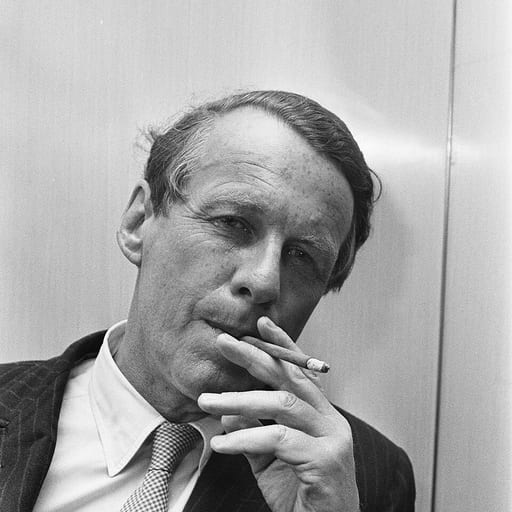 David Ogilvy
Before writing the ad, David Ogilvy spent three weeks meeting with engineers and studying the car. He found a journalist's quote about the electric clock being the loudest noise and used it as the headline.
LessonGreat marketing ideas often come from deep immersion in the product's technical details rather than pure imagination.
 Robert Greene
 realized that his book Mastery required connecting disparate fields without a single foundational source book. He had to interview contemporary masters and dig into the childhoods of historical figures like Charles Darwin.
LessonWhen a project grows in complexity, you must adapt your research and organizational methods to stay in control.
Russell shifted from giving AI simple prompts to providing deep context and a structured process. This allowed him to write three 50-page long-form Video Sales Letters in a single day that performed at the highest level of his career.
LessonAI produces professional-grade results only when guided by a rigorous process and sufficient background data.
Wes studied the craft of fiction writing specifically to improve her non-fiction marketing copy. She realized that fiction techniques help in making readers feel emotions and translating warmth into digital communication.
LessonLearning creative arts can provide unique tools to make business communication more human and emotionally resonant.
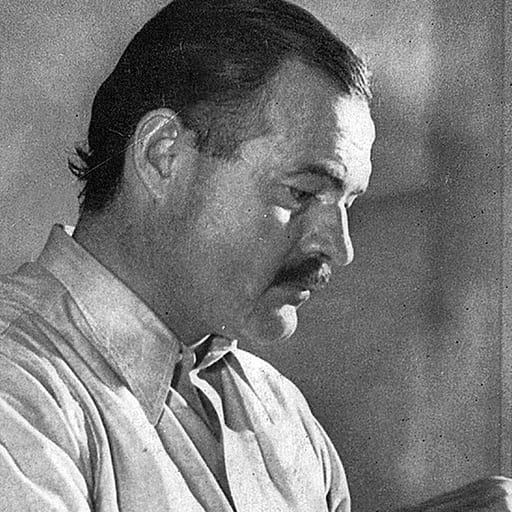 Ernest Hemingway
헤밍웨이는 소설 '무기여 잘 있거라'의 결말을 쓰는 데 큰 어려움을 겪었어요. 그는 스스로 만족할 때까지 결말을 39번이나 다시 썼으며, 나중에 발견된 판본에는 무려 47개의 대안 결말이 포함되어 있었어요.
LessonGreat work often requires an exhaustive process of trial and error to find the right conclusion.
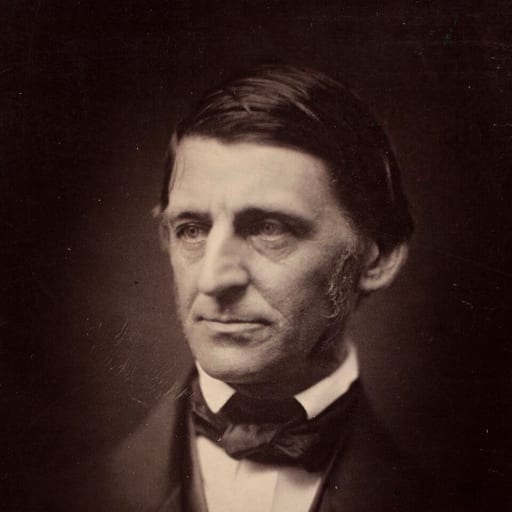 Ralph Waldo Emerson
Emerson published his second series of essays in 1844, covering topics like 'The Poet' and 'Experience'. These writings reflected a less tranquil state of mind and a focus on honesty regarding human limitations.
LessonHonesty in acknowledging one's lack of control can lead to more profound and authentic creative work.
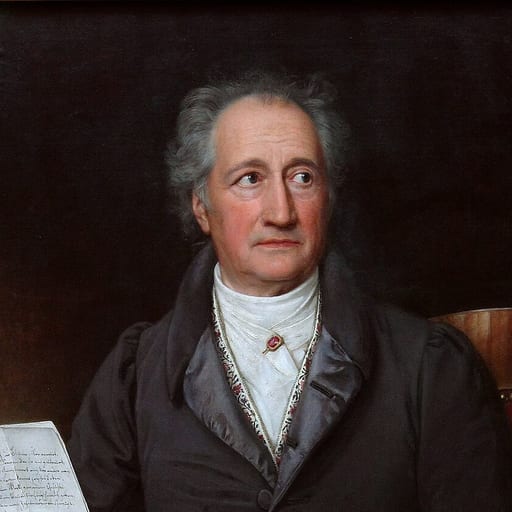 Johann Wolfgang von Goethe
괴테는 독일 산문의 엄격한 예술적 형식인 노벨레의 거장으로 인정받았어요. 그는 서정 시인이기도 했기에 절정으로 향하는 과정에 특유의 분위기와 매력을 불어넣을 수 있었어요.
Lesson핵심적인 사건에 집중하는 엄격한 형식을 갖추는 것이 전문성을 높여줘요.
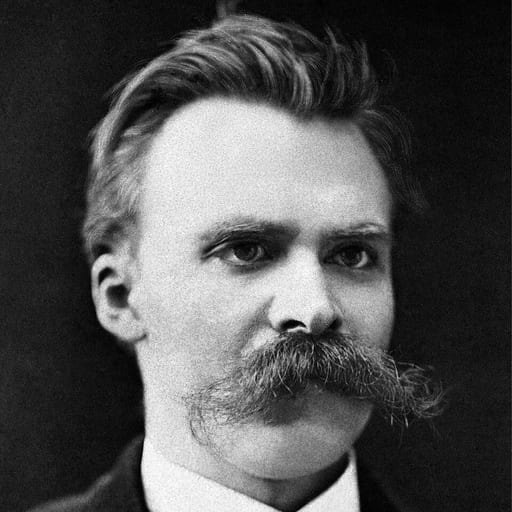 Friedrich Nietzsche
메테를링크는 자신의 초기 대화법이 마치 잠꼬대하는 사람들의 말처럼 단절되어 있었다고 비판하며, 이를 리듬감 있고 흐르는 듯한 언어로 개선했어요. 그는 단순함을 유지하면서도 더 명확하고 힘 있는 소통 방식을 택했어요.
Lesson자신의 소통 방식을 끊임없이 비판하고 개선함으로써 더 큰 영향력을 발휘할 수 있어요.