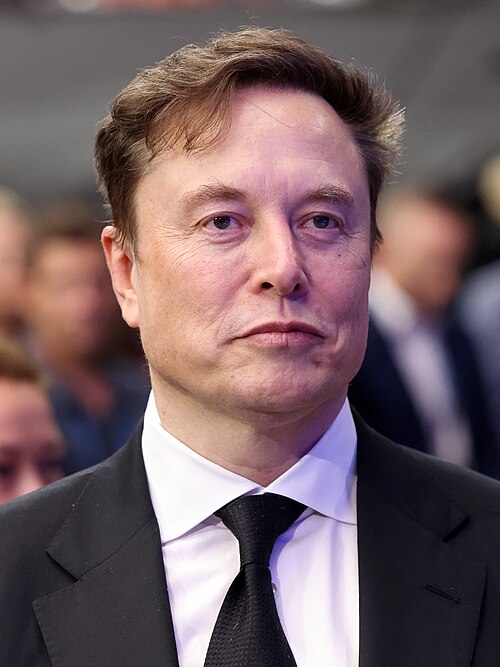
 Elon Musk
Go where the friction is lowest
If regulatory hurdles and slow utility industries make ground-based scaling impossible, move operations to environments with fewer permits and higher efficiency.
Topic
How to make hard calls
Picked for this topic from the basic records of many masters.
Principles are our summary of their public statements.
Elon MuskIf regulatory hurdles and slow utility industries make ground-based scaling impossible, move operations to environments with fewer permits and higher efficiency.
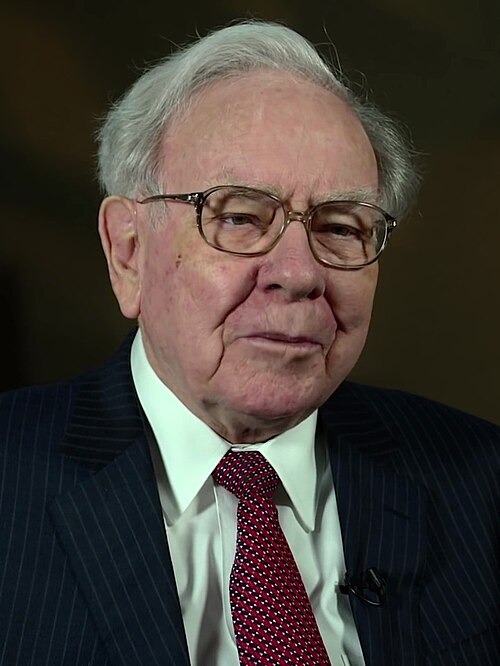 Warren Buffett
Do not let anger or a sense of betrayal drive you to acquire a bad business just to spite someone.
 Naval Ravikant
A reliable indicator of finding the truth is that the specific problem being addressed is solved for good. If a problem keeps recurring, the underlying truth has not yet been reached.
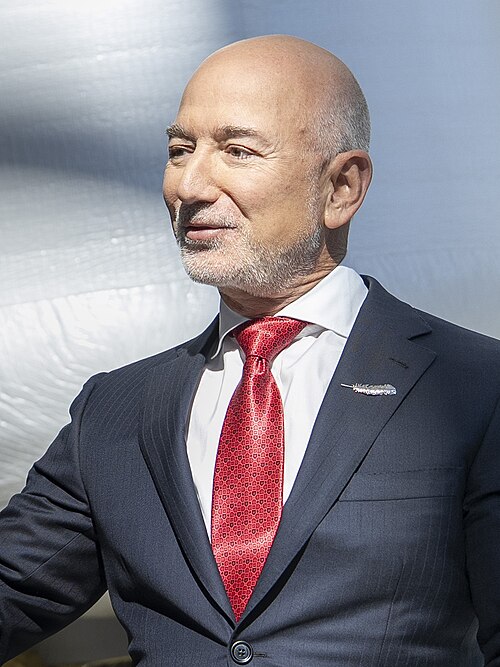 Jeff Bezos
The choice between making a component reusable or making it cheap enough to be expendable is a complex business trade-off that requires careful analysis.
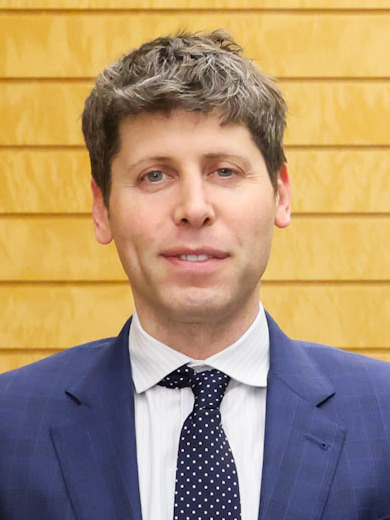 Sam Altman
Once a decision is made to pursue an idea, a founder should move immediately into planning and execution without hesitation.
 Paul Graham
One must judge a system by its actual outcomes and error rates rather than its theoretical or moral justifications.
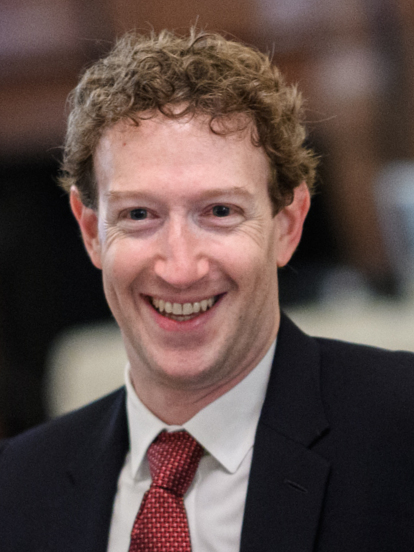 Mark Zuckerberg
Decide when to stop refining a current project to move on to testing hypotheses for the next generation, even if the current one could still improve.
 Reid Hoffman
When a promising product is ignored due to short-term accounting needs, changing the rules of how that asset is tracked can unlock its potential.
 Marc Andreessen
Dwelling on past choices is unproductive because reality is a complex system where the same starting point can lead to wildly different outcomes due to randomness.
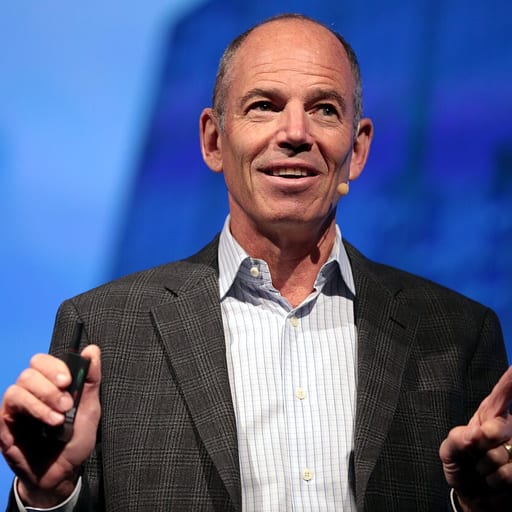 Marc Randolph
When a nearly finished product no longer fits the company's strategy, spinning it out as a separate entity can create a valuable partner instead of a total loss.
Do not feel obligated to fulfill past commitments that no longer align with current priorities or well-being.
 Noah Kagan
Compare the potential long-term earnings of a side hustle against the guaranteed salary and equity of a current job to make a rational exit decision.
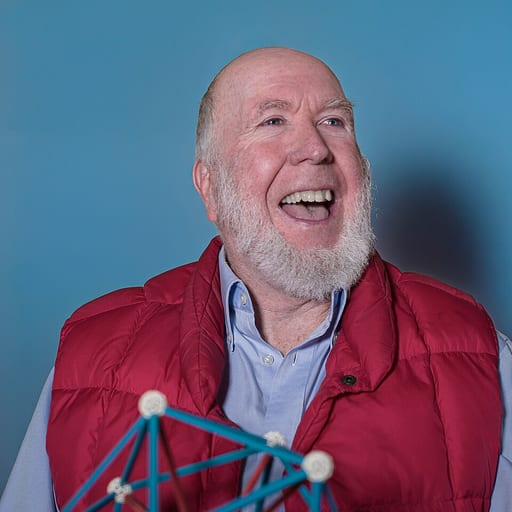 Kevin Kelly
Do not force new technologies or business models into old legal or social categories that do not fit their unique attributes.
 Dario Amodei
Do not spend massive capital just because it sounds cool or competitors are doing it; every major investment must be backed by a detailed spreadsheet and risk assessment.
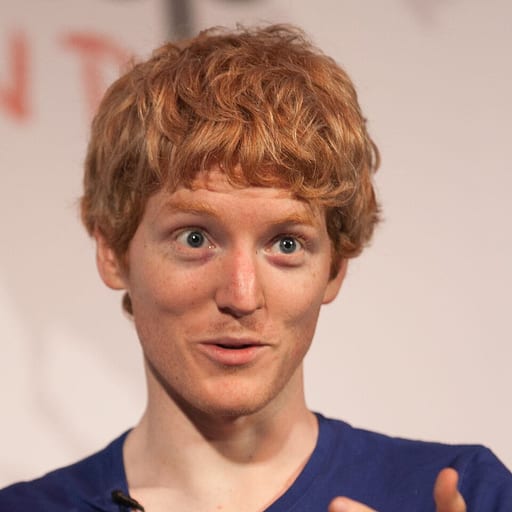 Patrick Collison
Business decisions should be based on potential yield and market value rather than personal vendettas or emotional obsession.
 Andrej Karpathy
Daily measurements can swing wildly due to noise like water weight; look at the long-term rate of change to understand true progress.
Evaluate product ideas based on how much they will teach you about the market and the cost of gaining those insights, rather than just debating if they will work.
 Derek Sivers
Entering a situation without prior knowledge allows for a unique, step-by-step discovery of how the parts form the whole.
 Seth Godin
Do not rely solely on past data to predict future creative success because data favors the average and cannot foresee breakthroughs.
 Robert Greene
Do not mistake the ability to fix immediate problems for true strategy; strategy requires a vision rooted in reality, not just desires.
Humans are naturally wired for the immediate present, making long-term planning feel abstract and unconvincing.
One should ask if a decision is merely 'defensible' (safe from criticism) or if it is actually 'good' (adding real value).
 Seneca the Younger
Theoretical goods that may exist in the future do not help with current crises; focus on what is helpful right now.
 Marcus Aurelius
A leader must persist in investigation and never stop a search for truth just because the first appearance seems satisfactory.
Episodes are real events from public sources, summarised by us.
Elon MuskGerman rocket scientists led by Wernher von Braun chose to flee West to surrender to Americans rather than be captured by the Soviets or executed by the SS. They escaped in winter without coats or food to find a US patrol.
LessonPeople will choose to align with the most benevolent power when given a choice in a crisis.
 Steve Jobs
Steve struggled with returning to Apple while running Pixar until a friend's blunt indifference made him realize how much he still cared. He returned as interim CEO to save the company from bankruptcy.
LessonClarity often comes from realizing what you truly care about when faced with outside indifference.
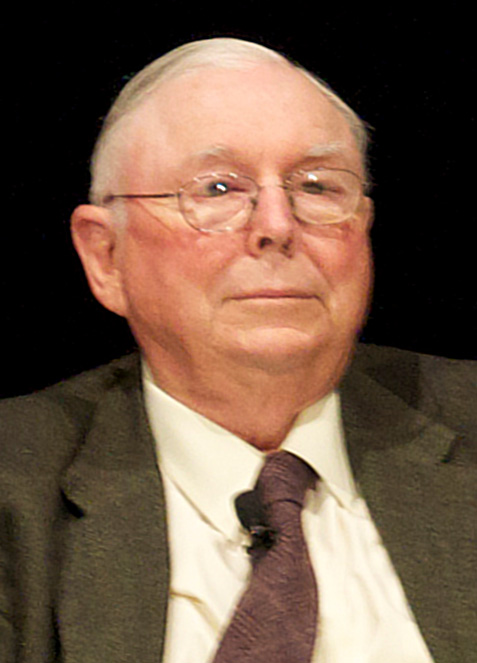 Charlie Munger
Warren Buffett had a handshake deal to sell his shares back to Seabury Stanton for $11.50, but Stanton sent a formal offer for 12 cents less. Infuriated by this bad faith, Buffett decided to buy the entire company instead of selling, just to fire Stanton.
LessonEmotional decisions in business can lead to owning poor assets that drain time and capital for decades.
Paul GrahamYC decided to fund Airbnb despite thinking it was a crazy idea that other investors might not like. They had to consciously ignore what the market thought to capture a potential big winner.
LessonTo find big winners, you must be willing to fund ideas that seem crazy to the general market.
Reid HoffmanAn entrepreneur friend of Reid's took a cousin to a hospital where they were told the issue was minor. After checking ChatGPT, which advised seeking another hospital immediately, they discovered the cousin would have died within two hours without urgent care.
LessonAI can serve as a life-saving tool for cross-checking professional advice when human systems fail.
Marc AndreessenAndreessen Horowitz seeded Instagram but faced a conflict when the company pivoted to compete with another portfolio company, PicPlz. They chose to back PicPlz for the Series A, missing out on the massive success of Instagram.
LessonEven the most experienced investors can make 'boneheaded' decisions when trying to manage portfolio conflicts.
Worried about his children, Andrew consulted a divorced friend who explained that two happy parents living separately is far better than two miserable parents fighting in the same house. This perspective helped him overcome the guilt of splitting up.
LessonChildren are more burdened by a parent's unlived, miserable life than by the logistical changes of a divorce.
 Tim Urban
Tim chose to stay in NYC for work instead of traveling to the path of totality. After hearing others describe it as a life-altering experience, he felt deep regret and vowed not to miss the next one.
LessonShort-term productivity is often less valuable than once-in-a-lifetime experiences.
Noah KaganNoah spent seven years and sent over 200 emails to acquire the sumo.com domain for $1.5 million. Despite feeling unsure, he realized that most energy spent worrying about such big decisions is wasted.
LessonBig decisions are difficult, but you eventually have to commit and manage the reaction to the choice.
Kevin KellyWhen Wired launched Hotwire, Kevin Kelly debated Howard Rheingold about the role of editors. Rheingold believed in an editor-less crowd, while Kelly insisted that top-down guidance was essential for reliability.
LessonEven in community-driven platforms, a clear editorial voice adds value that raw data cannot provide.
Andrej KarpathyWhile building a model, Andrej chose to write his own GPU synchronization routine instead of using the standard PyTorch DDP container. AI models repeatedly tried to force him back to the standard container, failing to understand his specific architectural assumptions.
LessonExpertise is required to reject AI suggestions that prioritize generic production standards over specific project needs.
Derek SiversAt a conference, a copyright lawyer was asked what to do when a publisher won't respond to licensing requests for a cover song. She shocked the audience by telling them to sell the song anyway and pay the royalties only if the publisher eventually reaches out.
LessonDo not let a lack of response from others become an excuse for stalling your own progress.