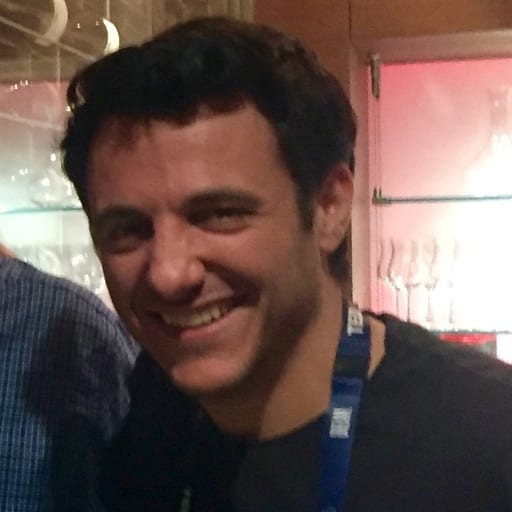
 Tim Urban
Prioritize Nuance Over Speed
Complex topics require deep thought, rigorous outlining, and careful wording to avoid misinterpretation and incomplete pictures.
Topic
Content people watch and growing an audience
Picked for this topic from the basic records of many masters.
Principles are our summary of their public statements.
Tim UrbanComplex topics require deep thought, rigorous outlining, and careful wording to avoid misinterpretation and incomplete pictures.
 Balaji Srinivasan
Creating high-quality, free resources that solve one's own past frustrations is a powerful way to contribute to a new industry.
 Noah Kagan
Before committing to a new content format like a vlog, ask the audience what specific problems or topics they want to hear about.
 Kevin Kelly
The most effective way to present complex or conceptual ideas is through an artful marriage of text and images.
 Andrej Karpathy
Karpathy scales his impact by creating accessible educational content, from Rubik's Cube tutorials to advanced AI courses, reaching thousands of learners.
Ask readers directly for their input on topics to ensure the content remains relevant and valuable to the target audience.
 Derek Sivers
A thought that seems unimportant to the creator might be critically important to someone else at the right moment.
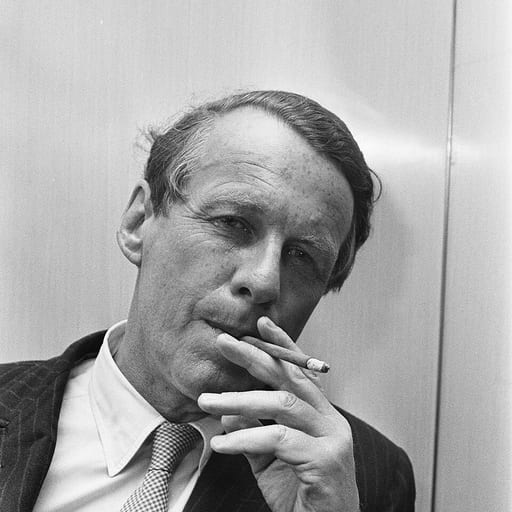 David Ogilvy
Consumers are intelligent and want detailed information rather than vapid adjectives or empty slogans.
 Seth Godin
Create value by highlighting issues or ideas that have not yet been covered by the mainstream.
Housel demonstrates that a venture capital firm can differentiate itself by hiring a dedicated partner to create high-quality content and podcasts. This builds brand authority and attracts founders beyond just providing capital.
Create short videos responding to niche clips to capture existing interest and use keywords to trigger direct message funnels.
Skip the long buildup and jump straight into the most critical or high-stakes part of the story or argument to capture attention immediately.
 Ernest Hemingway
Effective communication relies on short sentences, brief opening paragraphs, and vigorous, positive language rather than negative constructions. This style builds momentum and clarity in any professional content.
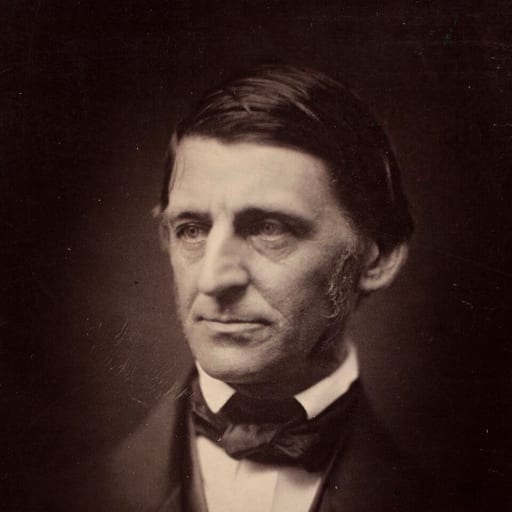 Ralph Waldo Emerson
Avoid letting personal whims or habitual exaggerations distort the core message, as excessive local emphasis can weary the audience and reduce the work's lasting value.
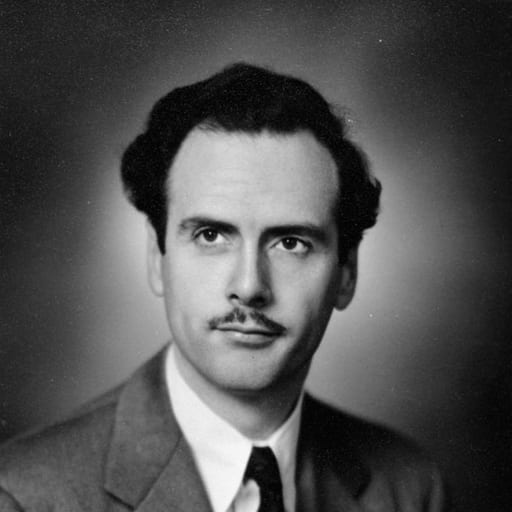 Marshall McLuhan
Information can be presented as a series of short, independent units that readers can consume in any order, rather than a strict linear sequence.
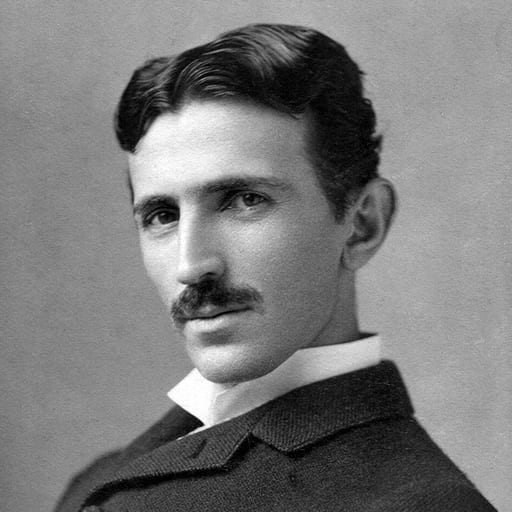 Nikola Tesla
Writing books and articles ensures that inventions and ideas are preserved and accessible to future generations.
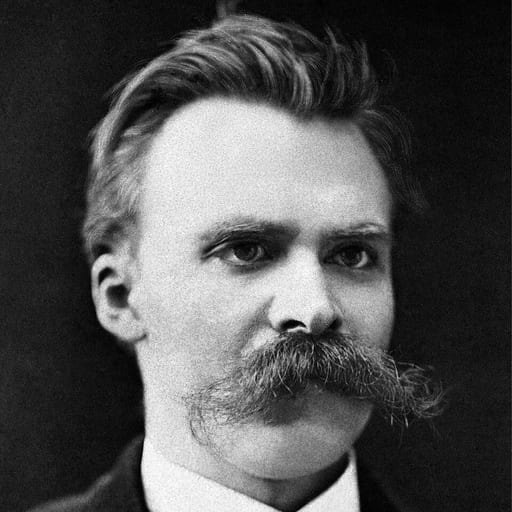 Friedrich Nietzsche
Structure information with rhythm and meter to make it more memorable and persuasive to the audience.
 Ryan Holiday
Avoid being just a portal or aggregator; true value lies in being the primary producer of deep, original content.
 Andrew Huberman
Understand the intellectual appetite of your customers or audience to provide the level of detail and complexity they value.
In an age of abundance, the ability to discover and filter content is more valuable than the content itself.
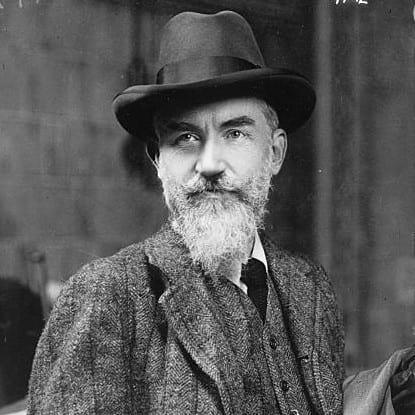 George Bernard Shaw
Start with a grand or heroic premise and then subvert it with mundane reality to expose illusions and capture attention.
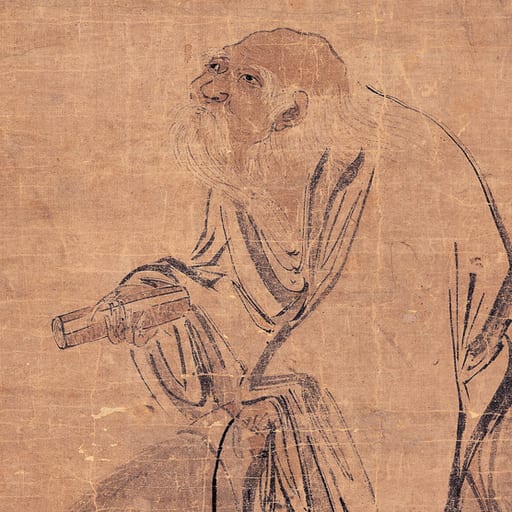 Lao Tzu (Laozi)
Focus on delivering profound and suggestive content even if the presentation is terse or lacks elegance.
 Jim O'Shaughnessy
He values raw honesty over 'pop psychology' that tries to frame every tragedy as a gift or a benefit.
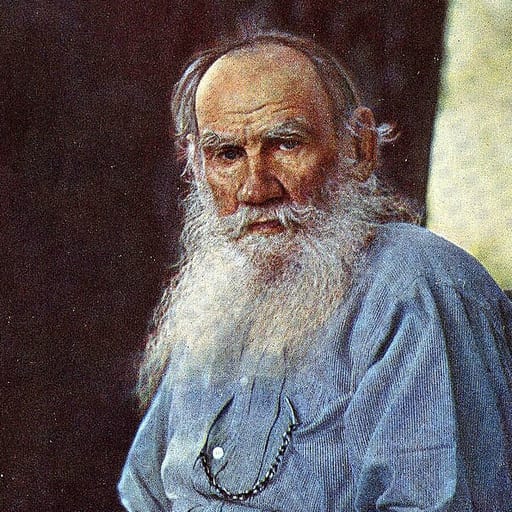 Leo Tolstoy
A creator should focus on work that improves society and instructs the reader rather than merely providing amusement for the idle.
Episodes are real events from public sources, summarised by us.
 Peter Thiel
After teaching a startup class at Stanford, he turned the course notes taken by a student into a book. The book focuses on how to build the future and create new things rather than copying existing ones.
LessonEducational content and internal knowledge can be packaged into powerful thought leadership assets for a wider audience.
 Naval Ravikant
Naval recorded a podcast to reach thousands of listeners simultaneously using a cheap microphone and a laptop. In the past, he would have needed to lecture in person to only a few hundred people or rely on TV networks that might distort his message.
LessonModern media allows you to scale your message globally without gatekeepers or high costs.
 Sam Altman
Sam taught a class at Stanford called How to Start a Startup and put it online despite the university's objections. He realized that while YC cannot fund everyone, they can provide the necessary information to every founder globally.
LessonScaling impact can be achieved by making specialized knowledge accessible to those you cannot directly partner with.
 Reid Hoffman
The New York Times published a blind quiz where 86,000 readers compared human writing to AI writing. Surprisingly, readers slightly preferred the AI-generated passages over the human ones.
LessonFounders should recognize that AI can already match or exceed generic human output, making unique voice and structure more critical.
Tim UrbanTim Urban experienced a moment of intense panic during his TED talk preparation and performance. He later used this high-stakes failure as content to connect with his audience through stick-figure illustrations.
LessonPublic failures can be repurposed into valuable content that strengthens your brand's authenticity.
Noah KaganNoah recorded a conversation with David Kadavy that made him feel uncomfortable and self-conscious about its quality. Despite his initial plan to keep it private, he realized the concepts were life-changing and decided to publish it for his audience.
LessonValuable insights are often found in moments of discomfort and should be shared even if they feel unpolished.
Kevin KellyAuthor Lawrence Watt-Evans asked fans to pay $100 per month to release his novel chapter by chapter online. He successfully supported himself with about 200 True Fans while also using traditional publishing for wider reach.
LessonIncremental releases funded by a small core group can sustain a creator's work.
Andrej KarpathyKarpathy started a YouTube channel named badmephisto to share Rubik's Cube tutorials. His videos became a primary resource for world-class speedcubers like Feliks Zemdegs.
LessonBuilding a personal brand through helpful, niche content can establish authority long before a professional career peaks.
 Greg McKeown
McKeown published a book focusing on the disciplined pursuit of less and the importance of saying no. The book became a New York Times bestseller and defined his career as a thought leader.
LessonDefining a clear, contrarian philosophy can create a powerful brand identity for a business leader.
Derek SiversDerek noticed that a short blog post of only 200 words generated a massive discussion in the comments. The readers contributed over 2000 words of insights and examples regarding his 'extreme character' concept.
LessonA short, provocative idea can spark a much larger and more valuable conversation with your community.
 Robert Greene
 published a book applying military strategies to personal development and business negotiations. It analyzed various offensive and defensive tactics through historical examples.
LessonFounders can find actionable insights by studying strategies from fields outside of traditional business.
Wes originally published an essay on avoiding backstory scope creep in 2019. After hundreds of readers shared it over four years, she expanded it with new insights and examples in 2023.
LessonContent that resonates with an audience should be revisited and expanded over time to increase its value.