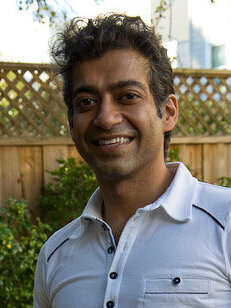
 Naval Ravikant
Set an absurdly high hourly rate
Establish a personal hourly rate that feels unrealistic and use it to decide whether to outsource tasks or do them yourself.
Topic
Making and keeping money
Picked for this topic from the basic records of many masters.
Principles are our summary of their public statements.
Naval RavikantEstablish a personal hourly rate that feels unrealistic and use it to decide whether to outsource tasks or do them yourself.
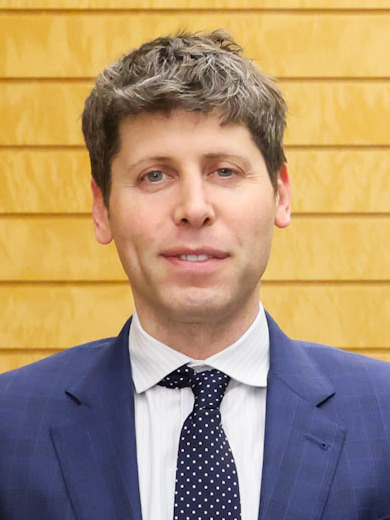 Sam Altman
Focus on owning a significant portion of a high-growth company rather than worrying about the specific title of founder.
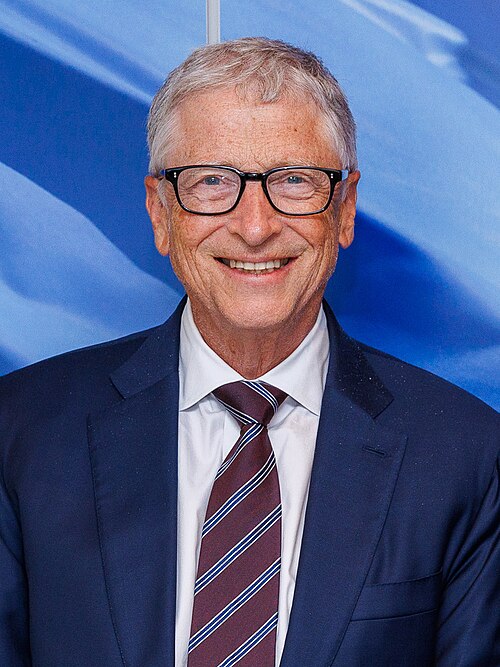 Bill Gates
Software allows for infinite replicability with no additional cost, which creates massive profit margins once a standard is established.
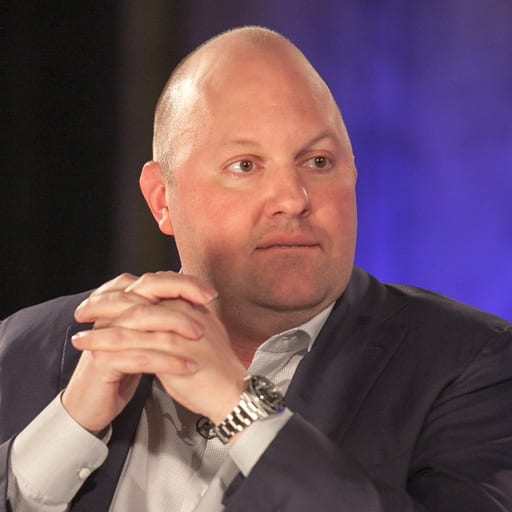 Marc Andreessen
True economic progress is measured by the abundance and low cost of goods for the consumer, not by the preservation of difficult labor.
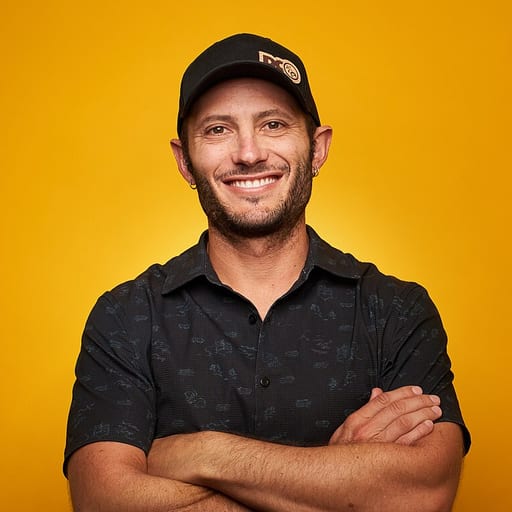 Noah Kagan
Allocate a significant portion of earnings into index funds or real estate to ensure security and freedom from the monthly grind.
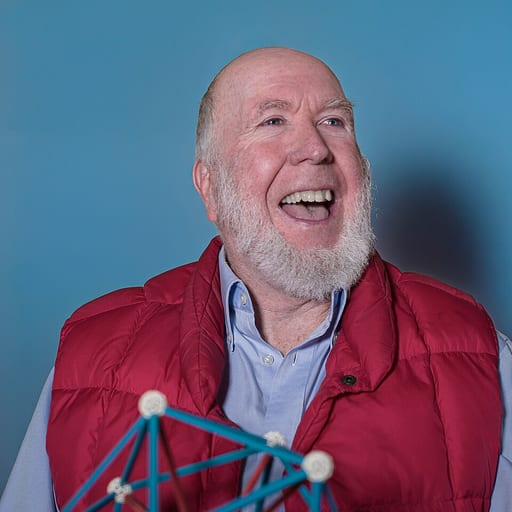 Kevin Kelly
The primary benefit of increasing income is gaining control over one's time and work rather than just accumulating material goods.
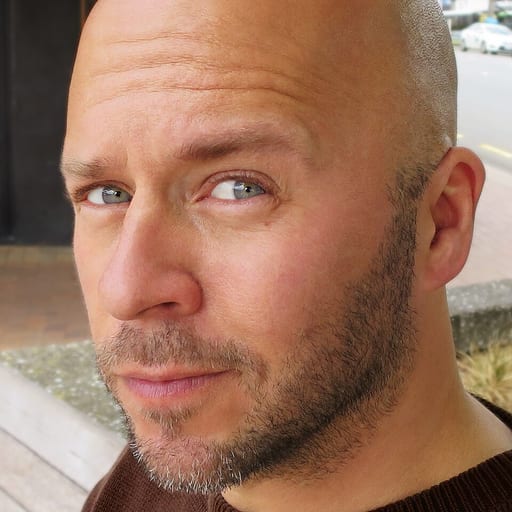 Derek Sivers
Once basic needs and happiness are met, additional wealth may not add value to one's life, making it better to use for others.
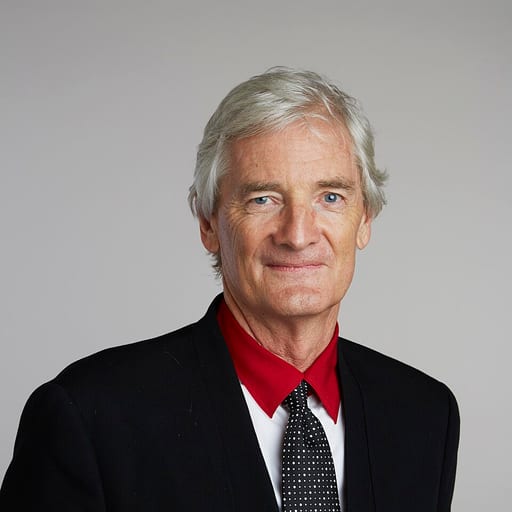 James Dyson
Dyson reinvests wealth into agricultural land and real estate to become a major landowner and secure long-term value.
True happiness comes from independence and purpose rather than just a high salary that requires sacrificing all personal time.
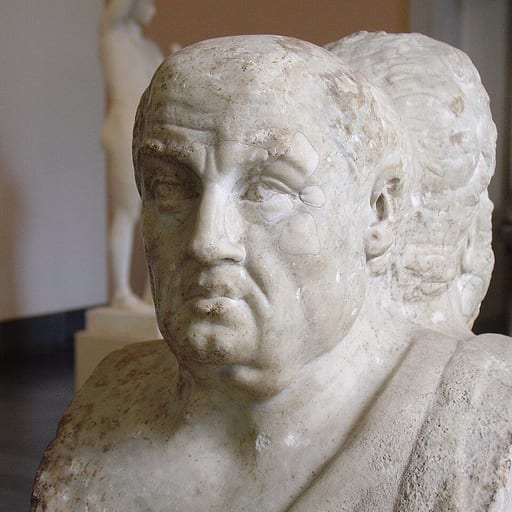 Seneca the Younger
True generosity requires knowing how to give purposefully, whereas simply not knowing how to save money is a vice disguised as a virtue.
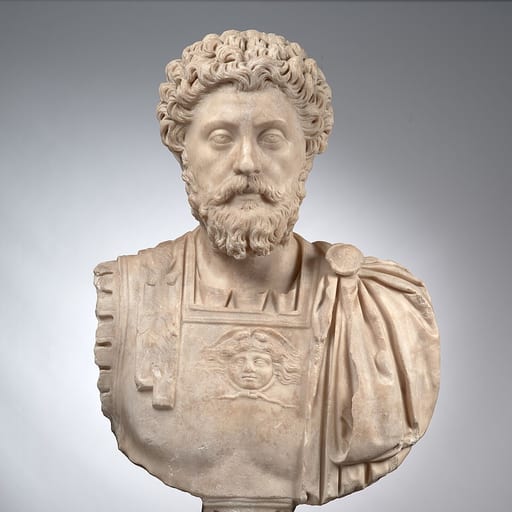 Marcus Aurelius
Value what you have as if you didn't have it, but avoid becoming so attached that its loss would destroy your peace.
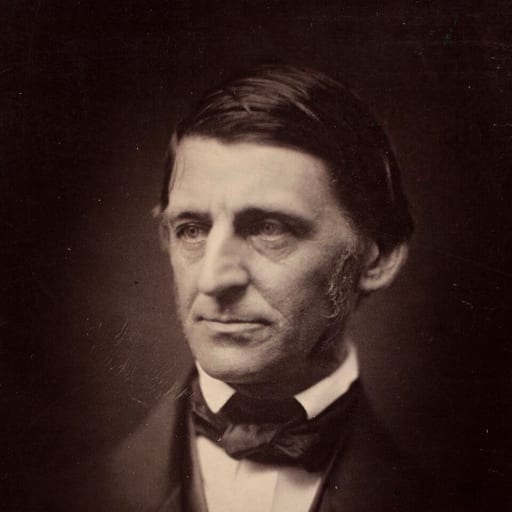 Ralph Waldo Emerson
True financial independence comes from ensuring that expenses always remain below income, regardless of the total amount earned.
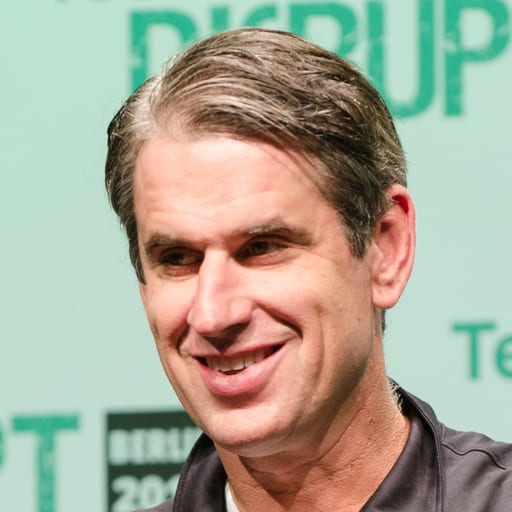 Bill Gurley
Founders should prioritize the total dollar value of their holdings in a merged entity rather than clinging to a specific ownership percentage.
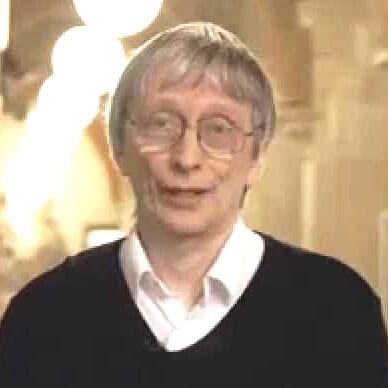 David Deutsch
Wealth should be viewed as the range of physical transformations one is capable of causing.
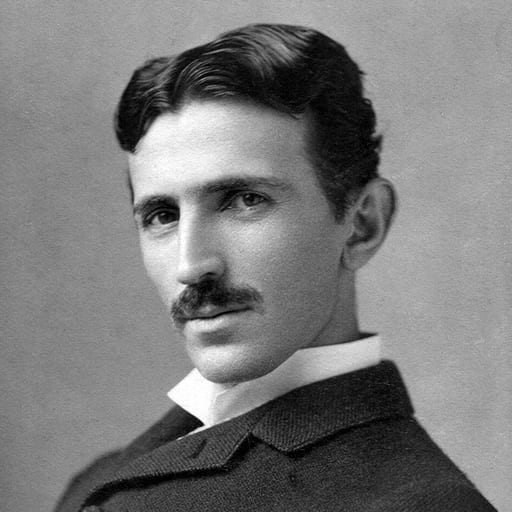 Nikola Tesla
Capital should be viewed as a tool for experimentation and making discoveries that improve human life rather than just a store of value.
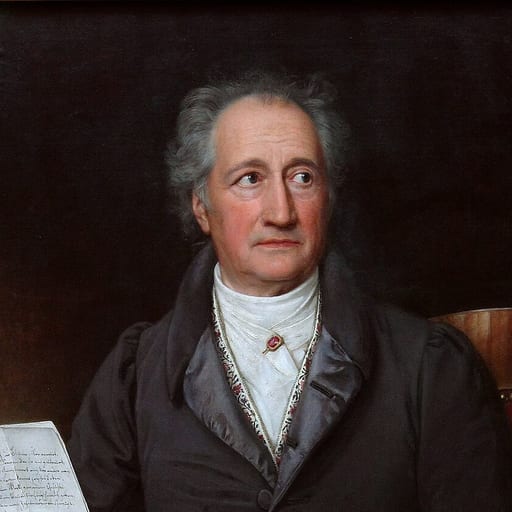 Johann Wolfgang von Goethe
Accumulating assets and property solely for the sake of future security can lead to a joyless existence if the present human needs and connections are ignored.
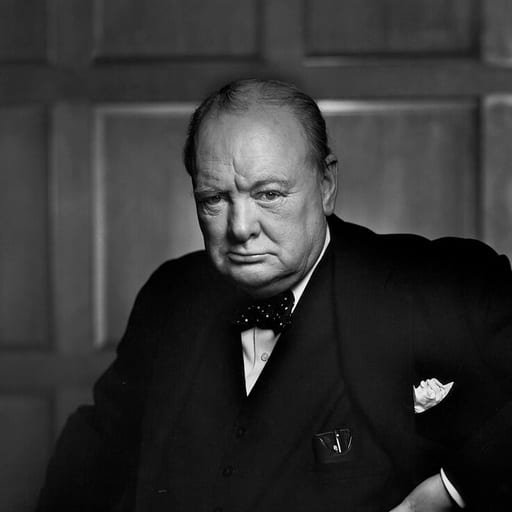 Winston Churchill
He relied on writing press articles and books to manage his personal finances and alleviate financial worries throughout his career.
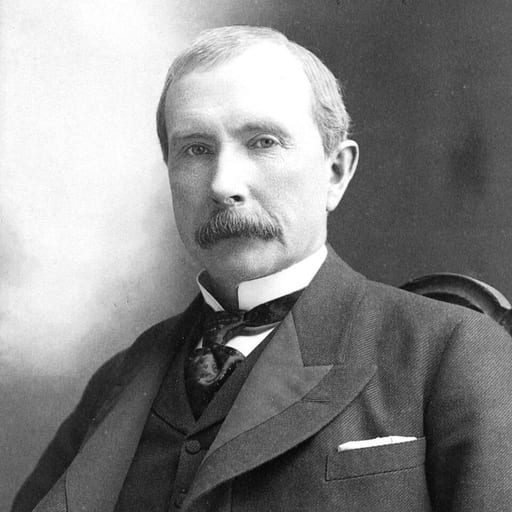 John D. Rockefeller
Unlike his father who flashed rolls of bills, Rockefeller preferred to live modestly and detested showing off his riches.
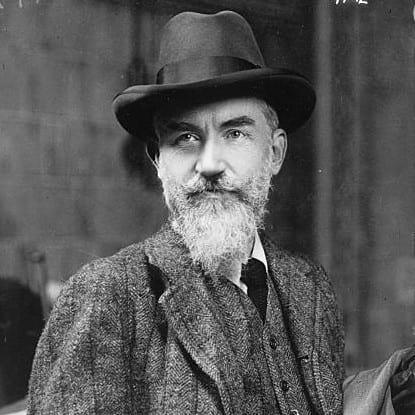 George Bernard Shaw
Accumulating wealth or power without the capacity to use it for growth or enjoyment turns the owner into a miserable jailor of their own resources.
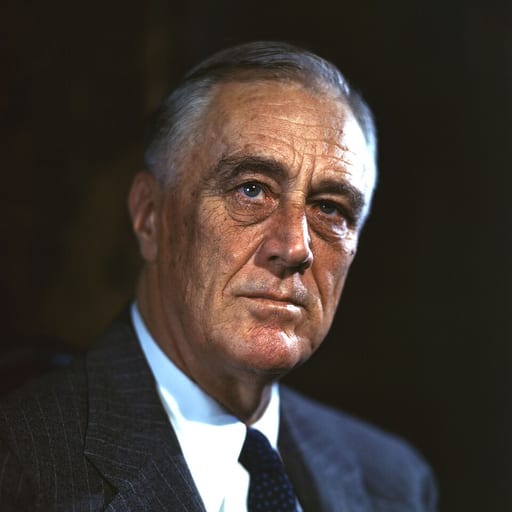 Franklin D. Roosevelt
Economic health depends on distributing buying power across all levels of society to ensure a sustainable cycle of consumption.
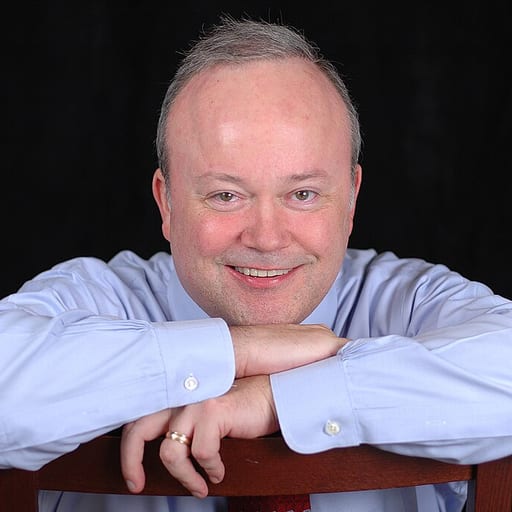 Jim O'Shaughnessy
Modern tools allow creators to build remunerative careers in highly specific niches that were previously economically unviable.
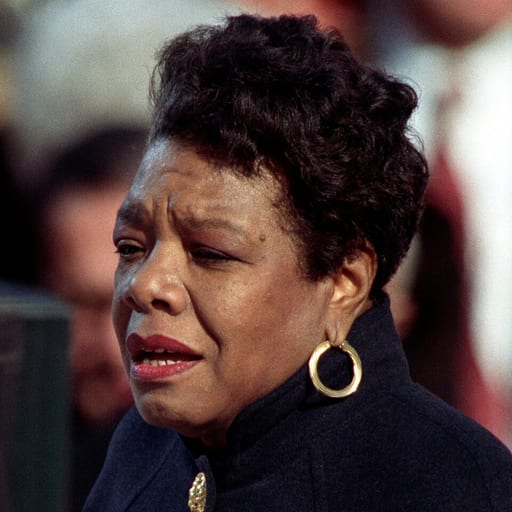 Maya Angelou
She openly acknowledges that writing is a profession intended to generate income, aligning herself with classical writers who wrote for money.
Recognize that there is a point where additional wealth becomes a social liability rather than a source of pleasure.
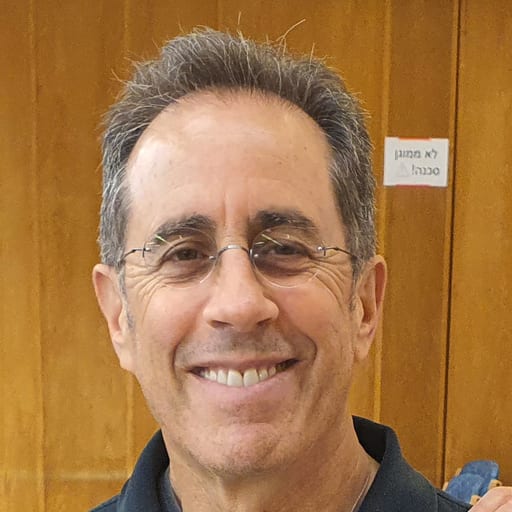 Jerry Seinfeld
Creators should focus on owning the intellectual property to ensure long-term wealth through syndication rather than relying on per-episode paychecks.
Episodes are real events from public sources, summarised by us.
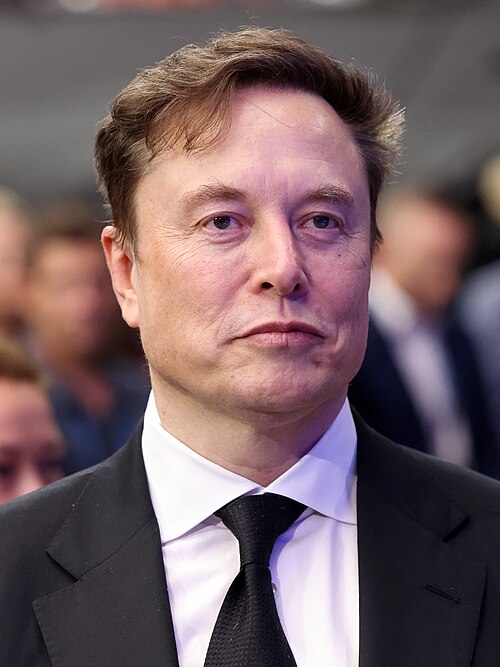 Elon Musk
Compaq acquired Zip2 for $307 million in cash. Musk received $22 million for his 7 percent share, providing him with the capital for his future ventures.
LessonA successful exit provides the necessary capital to take much larger risks in subsequent businesses.
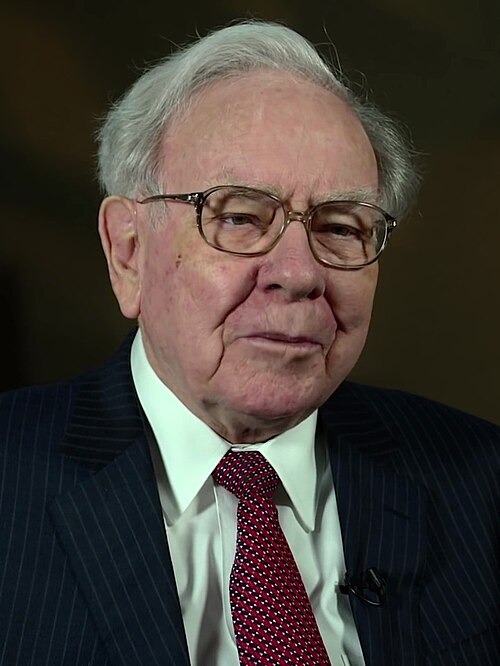 Warren Buffett
Charlie Munger noticed his wealthy clients had better lives than their lawyers, so he began taking legal fees in equity instead of just cash. He also expanded into real estate development in Southern California to build his net worth.
LessonTo build significant wealth, move from selling your time for cash to owning equity in productive assets.
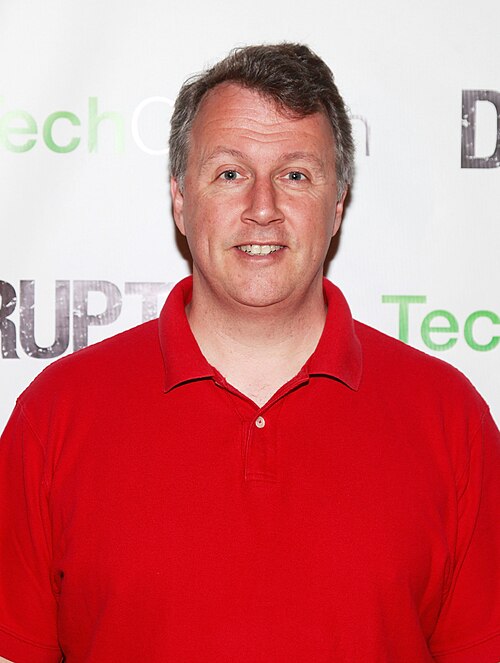 Paul Graham
Bill Gates succeeded because he genuinely loved the business side of software, specifically writing software for customers, which is a rare interest. This alignment of a strange personal taste with a high-paying market allowed him to build a massive company.
LessonIf you love a specific, difficult part of business that others find tedious, you have a massive competitive advantage.
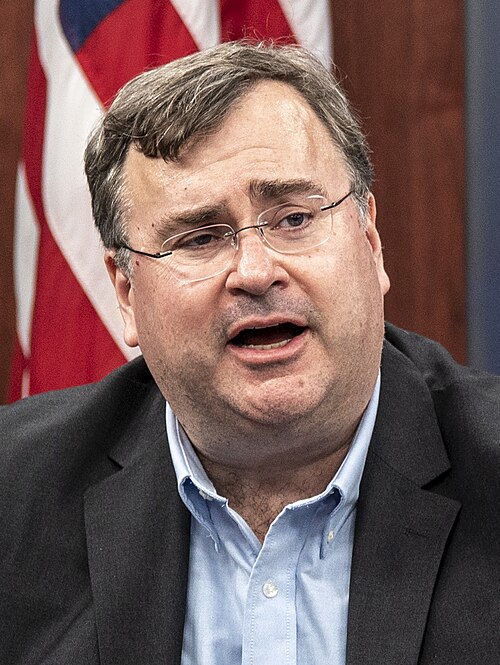 Reid Hoffman
All seven co-founders of Anthropic pledged to donate 80% of their wealth, potentially totaling over $37 billion. This scale of giving represents a new wave of philanthropy focused on AI transition risks and human flourishing. The challenge identified is that current organizational capacity is insufficient to absorb and effectively allocate such a massive amount of capital.
LessonA massive influx of capital requires a corresponding increase in 'philanthropic VCs' and 'philanthropic startups' to ensure the money is spent effectively.
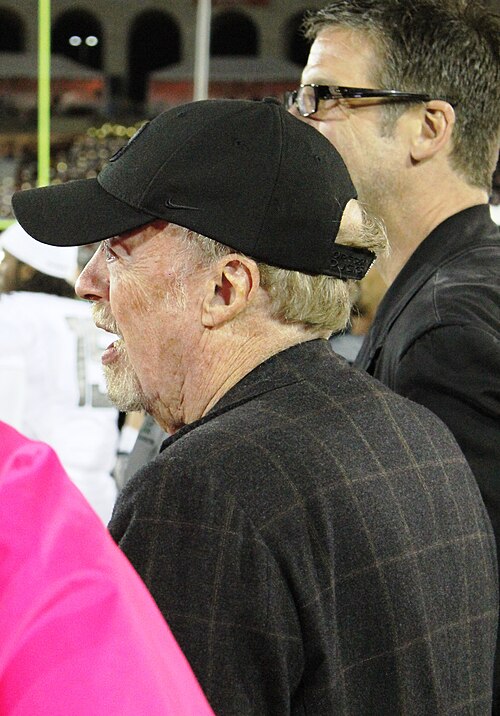 Phil Knight
After other funding failed, Knight raised a few thousand dollars from the family of his employee Bob Woodell. This small loan, which represented a huge portion of the family's net worth, was later converted into equity that made them millionaires.
LessonEarly support from believers in the mission can provide the critical bridge needed to survive a cash crunch.
Marc AndreessenApple started as a venture-backed startup with two kids in a garage. It eventually grew so large that its market capitalization exceeded the entire German industrial public market.
LessonA small startup attacking from the edges can eventually outgrow entire national economies.
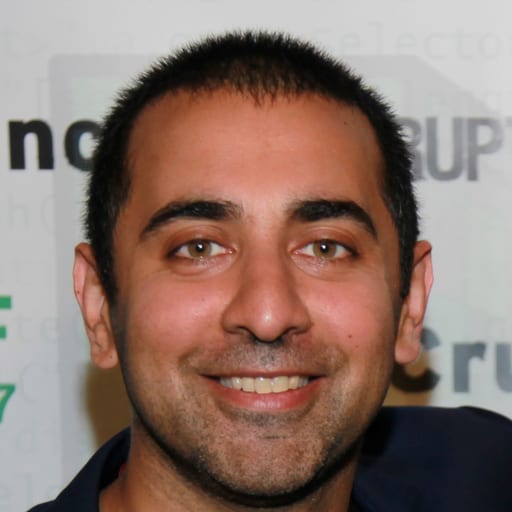 Balaji Srinivasan
Zoë Roth, the subject of the 'Disaster Girl' meme, auctioned her iconic photo as an NFT. It sold for $500,000, allowing her to pay off student loans and regain control over her image.
LessonDigital ownership allows creators to monetize and control viral content that was previously exploited without their consent.
Derek SiversDerek spent years looking for ways to increase his income. Eventually, he stopped focusing on making money and started looking for ways to reduce his desires.
LessonA founder can achieve financial freedom faster by lowering their burn rate and personal expectations than by chasing infinite growth.
Emrah Bayraktar transitioned from a broke college student to earning over $130,000 annually through video clipping. He achieved this by earning $45,000 in affiliate commissions and $87,000 in direct clipper payouts.
LessonClipping high-performing content can be a highly profitable business model with zero initial capital.
Marcus AureliusWealthy Romans displayed their riches through extreme extravagance, such as Lollia Paulina wearing a dress covered in emeralds and pearls worth 40 million sesterces. This wealth was often extracted from the resources of exhausted provinces.
LessonExcessive display of wealth often masks a predatory business model that exhausts its sources.
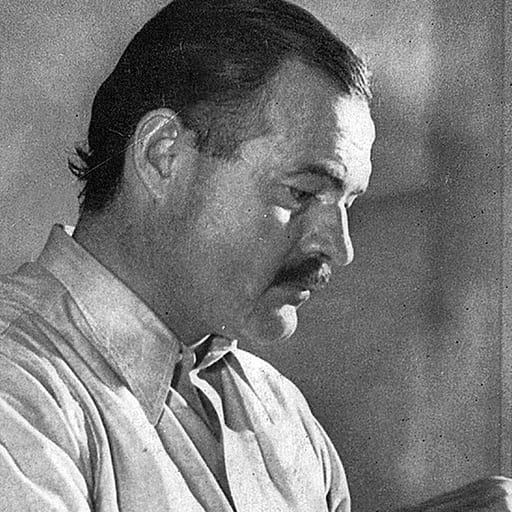 Ernest Hemingway
1929년 9월에 출간된 이 소설은 초판으로 약 31,000부가 인쇄되었어요. 이 작품의 상업적 성공 덕분에 헤밍웨이는 작가로서 경제적 자립을 이룰 수 있었어요.
LessonA single high-quality product that resonates with the market can provide long-term financial freedom.
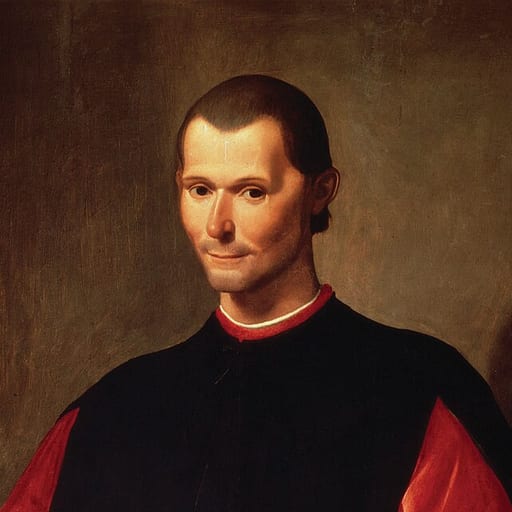 Niccolò Machiavelli
Castruccio paid a ducat for a partridge and was criticized by a friend for overspending. He explained that while a ducat seemed like a lot to the friend, it was a negligible amount relative to his own wealth.
LessonValue is relative to your resources; what is expensive for one may be cheap for another.