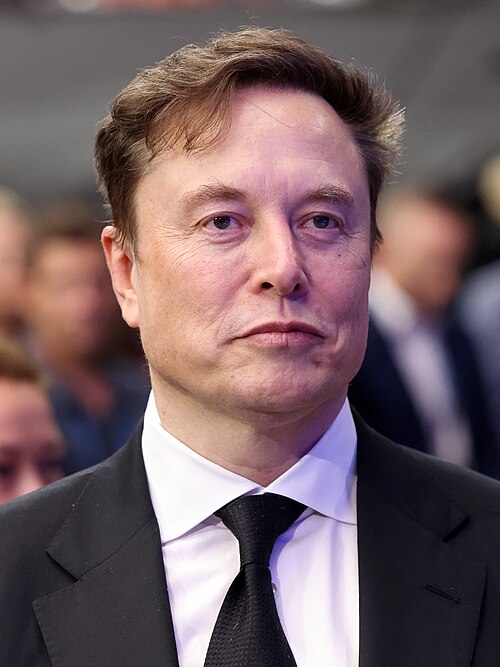
 Elon Musk
Recruit the linchpin talent
Success often hinges on a single, highly talented individual; winning the battle for such a 'linchpin' is worth any effort.
Topic
Who to hire, when, and when to let go
Picked for this topic from the basic records of many masters.
Principles are our summary of their public statements.
Elon MuskSuccess often hinges on a single, highly talented individual; winning the battle for such a 'linchpin' is worth any effort.
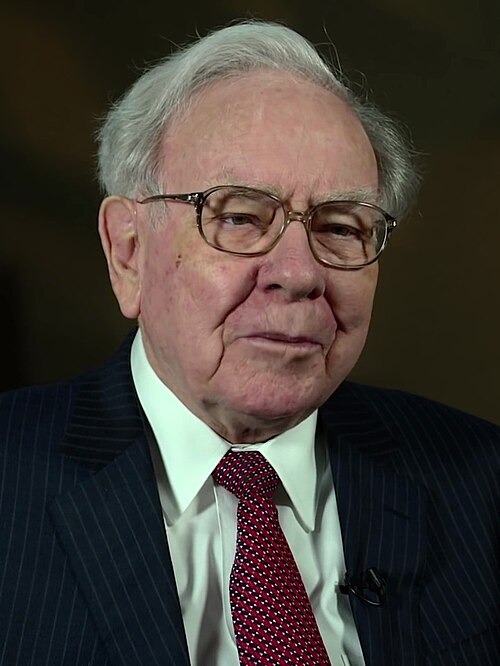 Warren Buffett
The best acquisitions involve businesses where the existing management stays in place to run the company as they have in the past.
 Naval Ravikant
Since early-stage startups often change their product, investors should focus on the founder's credibility and ability to execute within a broad market.
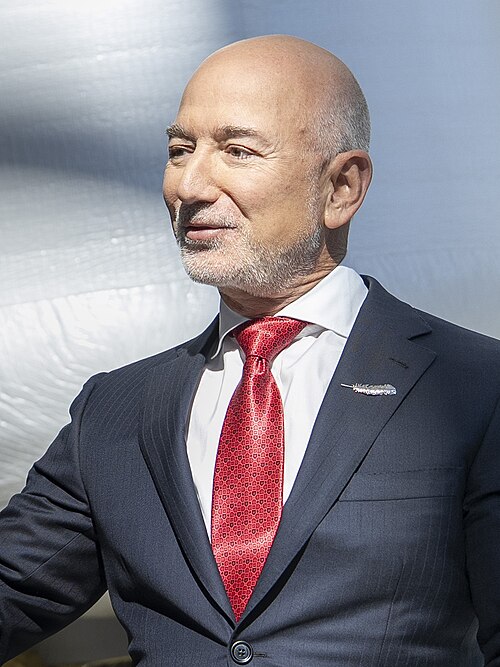 Jeff Bezos
Attract talented individuals by offering stock-based compensation so they act and think like owners of the company.
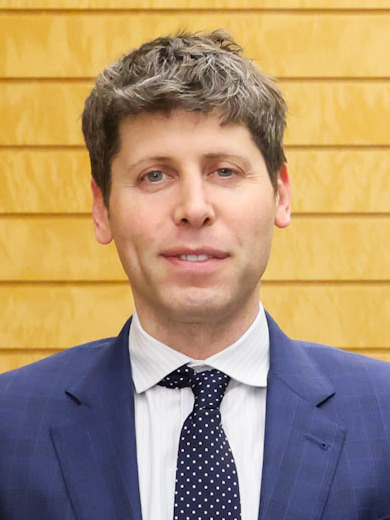 Sam Altman
Focus on finding the best talent regardless of background, as true diversity comes from a 'greedy' pursuit of the most successful outcomes.
 Paul Graham
Since the future is hard to predict, focus on surrounding yourself with earnest and independent-minded people who are likely to discover what's next.
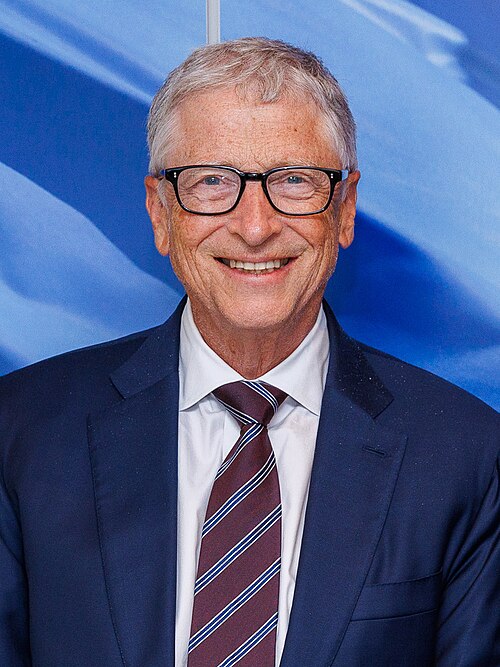 Bill Gates
When a candidate is essential to the company's future, treat them with the equity and respect of a founder.
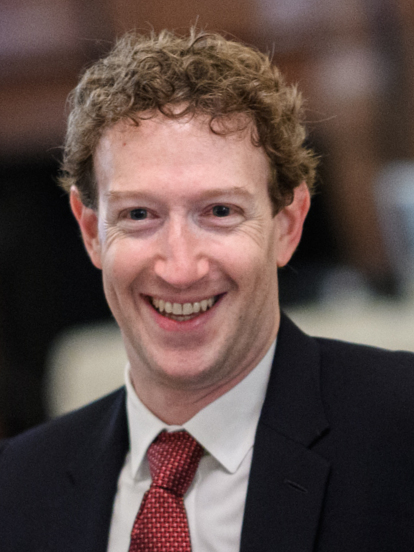 Mark Zuckerberg
Younger people often possess a sharper edge in innovation, so entrepreneurs should prioritize hiring them.
 Reid Hoffman
Every specialist should ideally possess the ability to translate their expertise across different domains to ensure effective collaboration.
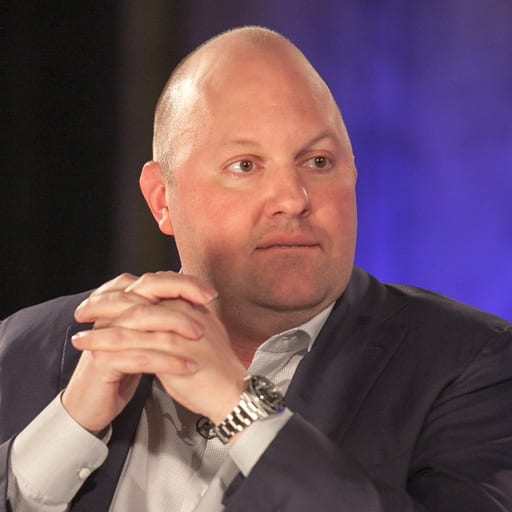 Marc Andreessen
To identify a true expert or founder, ask increasingly granular questions until they either show mastery or their knowledge 'fuzzes out' into vague theories.
Identify potential partners or hires by how quickly they move from brainstorming to sending concrete proposals and ideas.
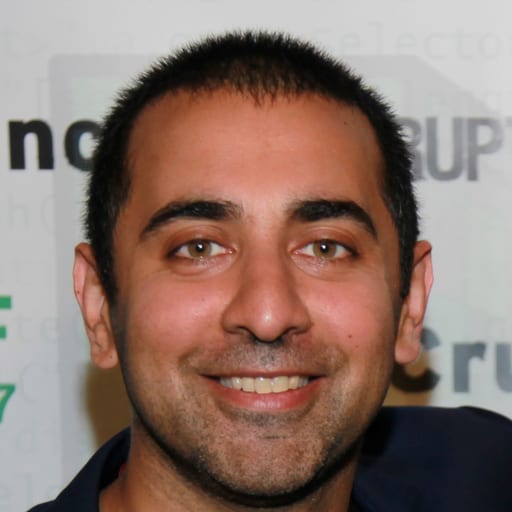 Balaji Srinivasan
Identify and recruit specific groups like creators, athletes, and founders who can contribute unique value to a new ecosystem.
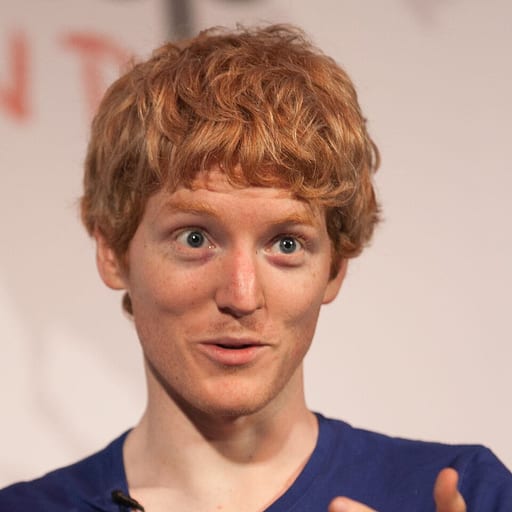 Patrick Collison
A founder should look for people who apply their core analytical principles to all areas of life, not just their narrow professional research.
A venture fund or service provider should hire experienced operators from the industry to provide practical help like hiring and marketing to their portfolio companies.
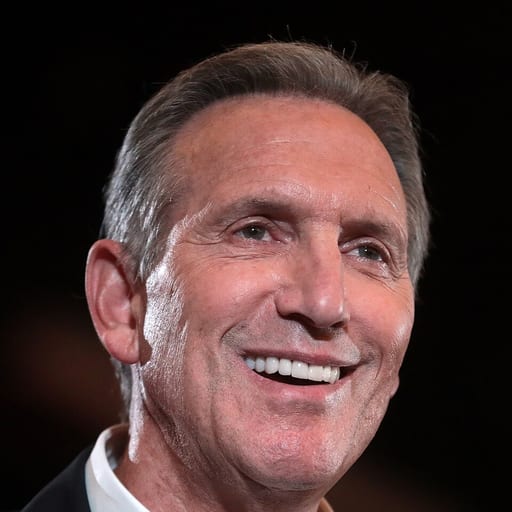 Howard Schultz
Build the infrastructure and leadership team for the future scale you want to reach, not just for the size you are today.
 Robert Greene
Every group granted authority will eventually prioritize its own agenda alongside the organization's goals.
Future billion-dollar companies will likely be run by very small teams or individuals who correctly leverage AI to handle massive workloads.
Labeling recurring help as 'favors' hides skill gaps or resource needs that should be addressed through hiring or training.
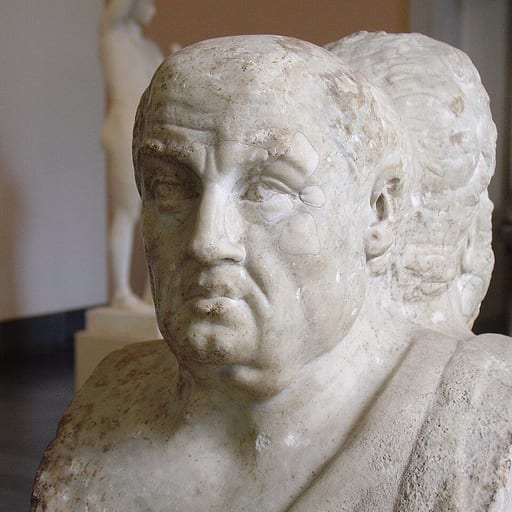 Seneca the Younger
A person's true character is often hidden by their lack of means. To see who someone really is, observe how they act when they have the power to do as they wish.
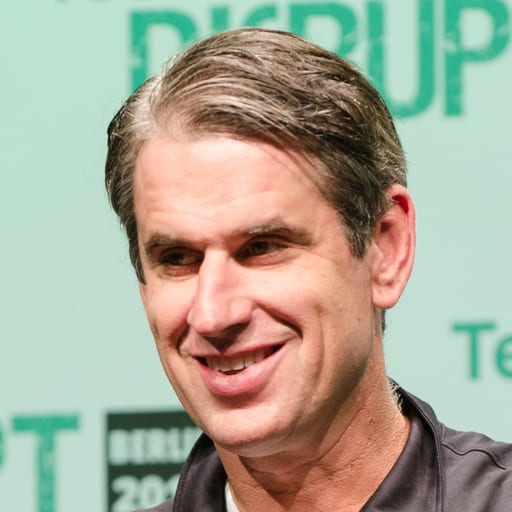 Bill Gurley
Hiring partners who have been successful founders or early employees at era-defining companies can provide a fundamental advantage in spotting trends.
 Richard Feynman
Verify if someone truly understands a subject by asking simple, direct, and honest questions that challenge the fundamental basis of their claims.
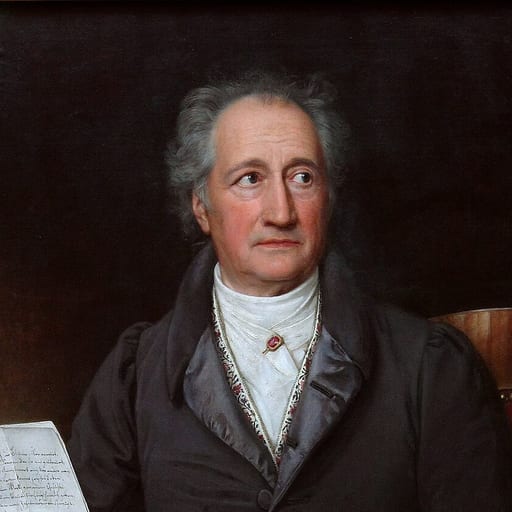 Johann Wolfgang von Goethe
Do not assume early talent will automatically translate into adult success, as different skills often supplant each other during development.
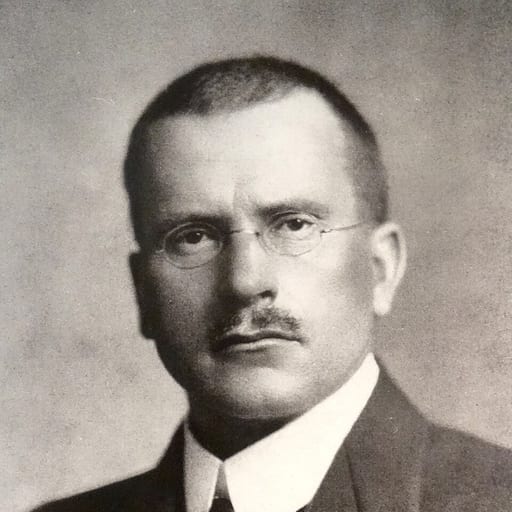 Carl Jung
A person can possess a mundane, ordinary character while simultaneously developing a sophisticated, mature inner personality that produces high-quality results.
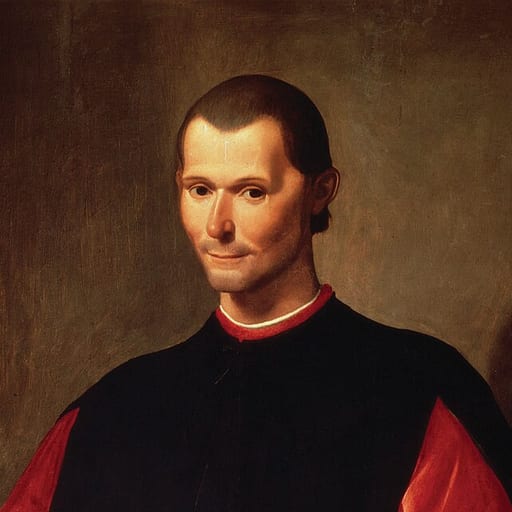 Niccolò Machiavelli
Effective management requires both the enforcement of rules through punishment and the reliable payment of wages.
Episodes are real events from public sources, summarised by us.
Elon MuskDuring Tesla's successful periods, Apple and other Silicon Valley firms aggressively poached their engineers, often offering double the salary without an interview. Elon realized that hiring from famous companies like Google or Apple doesn't guarantee success, as there is no 'magical pixie dust' in a resume.
LessonDo not hire based solely on the prestige of a candidate's former employer.
Warren BuffettTed Weschler won two consecutive charity lunches with Buffett for over $5 million. Buffett was so impressed by their conversations that he hired Weschler to manage a portion of Berkshire's capital.
LessonExceptional talent can demonstrate their value through direct access and deep industry insight.
Jeff BezosDuring the dot-com crash, Amazon eliminated its entire marketing department. Jeff Bezos liked Andy Jassy, who was in that department, and created a 'Technical Assistant' role to keep him in the company.
LessonTalented people are worth keeping even if their current department is eliminated, as they can be redeployed to solve the company's biggest problems.
Sam AltmanAfter receiving feedback that women wanted to see female representation during the selection process, YC increased its number of female partners. They committed to having a woman in every interview track for the upcoming batch.
LessonTo attract a specific demographic, ensure they are represented in your decision-making and gatekeeping processes.
Paul GrahamY Combinator initially overestimated founders from elite schools like Harvard and MIT. After seeing the actual results of their startups, they learned to trust their own senses during interviews rather than the school name.
LessonReal-world performance is the only accurate measure of talent, regardless of where someone was educated.
Mark ZuckerbergTo keep up with the site's rapid growth, Mark recruited his roommate Dustin Moskovitz. Despite being an economics major with no coding experience, Dustin learned PHP to help maintain the site.
LessonEarly hires should be fast learners who are willing to acquire new skills immediately to solve urgent problems.
Marc AndreessenAndreessen acted as a key networker for talent recruitment for the Department of Government Efficiency (DOGE). He leveraged his extensive Silicon Valley network to find people for the agency.
LessonA strong professional network is a powerful tool for recruiting top-tier talent for high-stakes projects.
Andrew identified a need for a small business social media agency but waited years for the right partners. He eventually met two impressive students at a university talk and launched 'download' with them.
LessonWait for the right co-founder who has the taste and hunger to operate the business full-time.
Balaji SrinivasanBalaji launched a task on his platform to pay users $100 in ETH for completing the first five lessons of a Solidity tutorial. Hundreds of people completed the lessons, and ten winners were selected based on speed and code quality.
LessonFounders can use micro-grants to identify and filter for talented individuals who are willing to learn new tools.
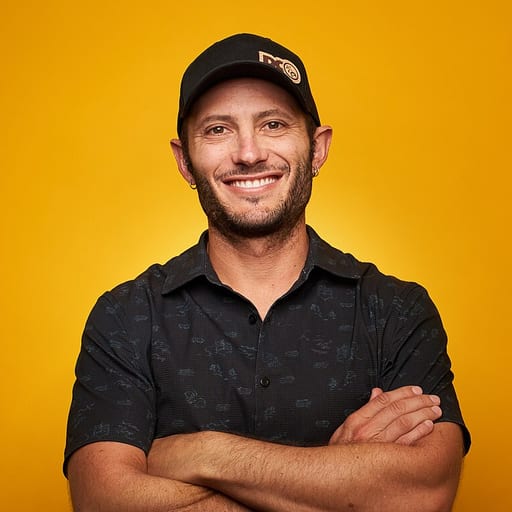 Noah Kagan
Aubrey Marcus started Onnit by hiring generalists who handled everything from marketing to mailing packages. As the company grew to over 150 people, he shifted to hiring A+ specialists for specific roles like Facebook Ads.
LessonAs a business matures, replace generalist 'bros' with specialists to maintain high performance.
Patrick CollisonWhen Stripe started, the founders focused on building a superior payments API rather than following 'cool' trends. They deliberately attracted people who enjoyed solving unglamorous infrastructure problems like building 'roads' for the internet.
LessonBuilding essential, unglamorous infrastructure can lead to a highly consequential and durable organization.
Uber faced a significant challenge where only about 40 percent of drivers remained active a year after their first trip. Andrew Chen focused his role on figuring out how to get more drivers onto the platform to sustain the marketplace.
LessonHigh churn in supply requires constant innovation in acquisition and earnings stability.