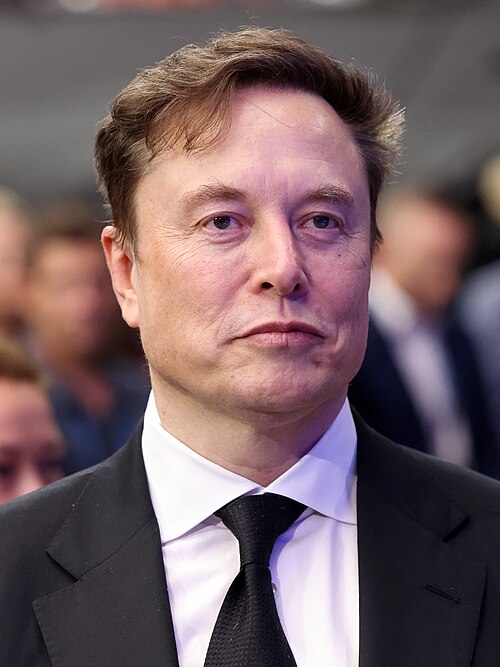
 Elon Musk
Subscription models for capital intensive businesses
High fixed-cost infrastructure projects should aim for recurring subscription revenue to provide a stable cash machine for future endeavors.
Topic
Runway, costs and staying alive
Picked for this topic from the basic records of many masters.
Principles are our summary of their public statements.
Elon MuskHigh fixed-cost infrastructure projects should aim for recurring subscription revenue to provide a stable cash machine for future endeavors.
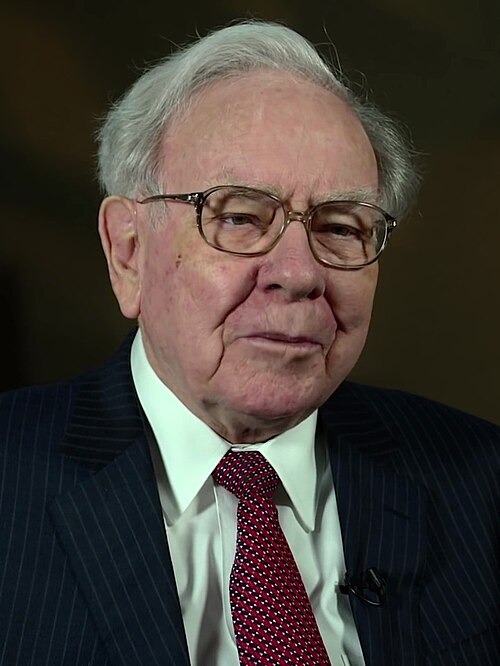 Warren Buffett
Structure deals so the company holds the money from the start, avoiding counterparty risk and gaining 'float' for investment.
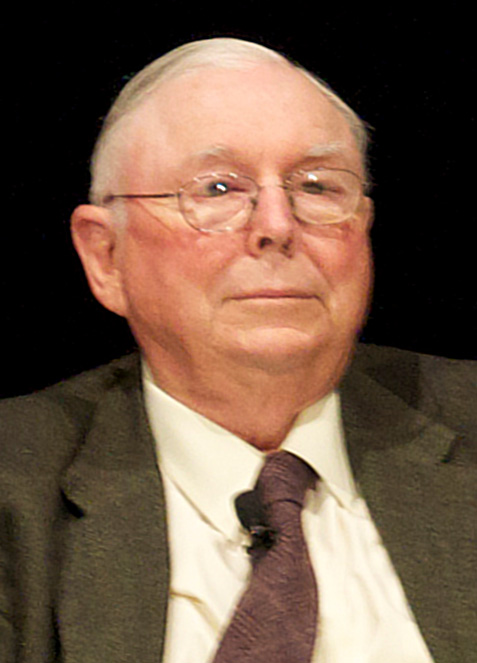 Charlie Munger
Collecting payments upfront and paying liabilities later creates an interest-free loan that can be invested for additional profit.
 Phil Knight
Offer discounts to customers who pay in advance to shift the burden of financing from banks to retail partners.
 Noah Kagan
To manage costs, founders should look for software that offers lifetime access for a single payment instead of recurring subscriptions.
 MrBeast (Jimmy Donaldson)
Prioritize business equity and expansion over personal liquidity, even if it means having very little cash on hand.
 Bill Gurley
Companies should treat capital as expensive and prioritize profitability as the ultimate goal rather than relying on cheap money.
 Jim O'Shaughnessy
A business should always have more cash at the end of the day than it started with, regardless of complex accounting.
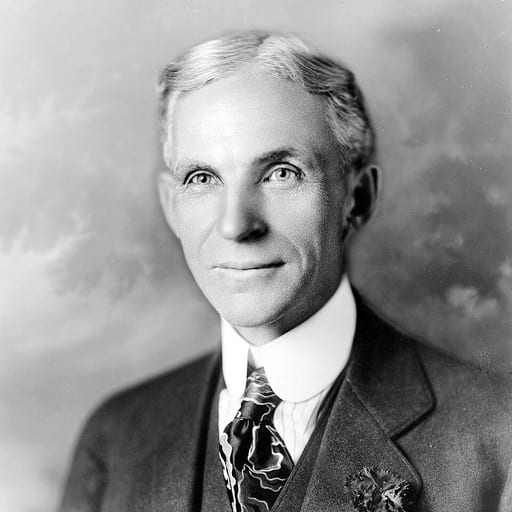 Henry Ford
Focus on providing excellent work and service to ensure that financial resources grow naturally without the need for borrowing or overextending.
A founder should replace expensive monthly SaaS subscriptions with their own simple scripts or services to drastically reduce overhead.
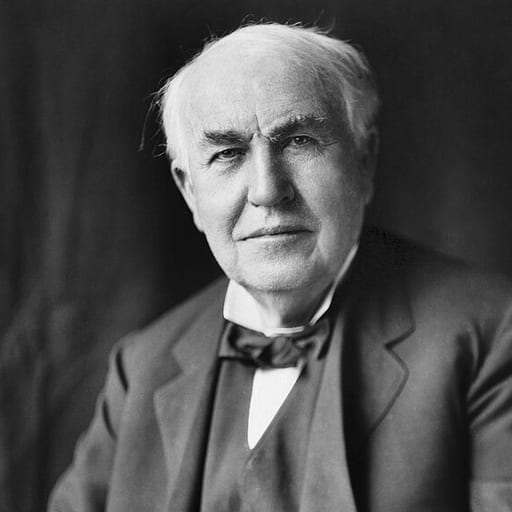 Thomas Edison
Before a product is ready for mass consumer use, its novelty can be monetized through paid exhibitions and roadshows.
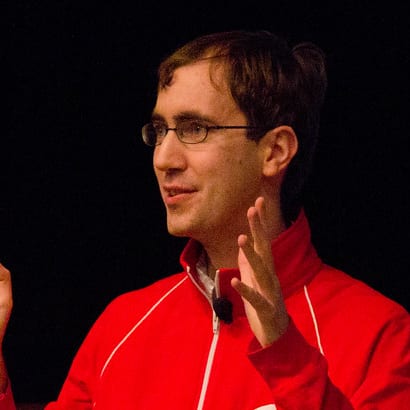 Patrick McKenzie
Uncollected revenue is an asset that represents the difference between business life and death. Founders must have clear visibility into who hasn't paid to ensure the company's 'next three minutes of air' are secured.
Use freelancing or productized services to fund development and learn business operations without the immediate pressure of a scalable product.
 Rob Walling
When unexpected expenses or taxes deplete growth capital, a founder must be willing to adjust their business approach and pace.
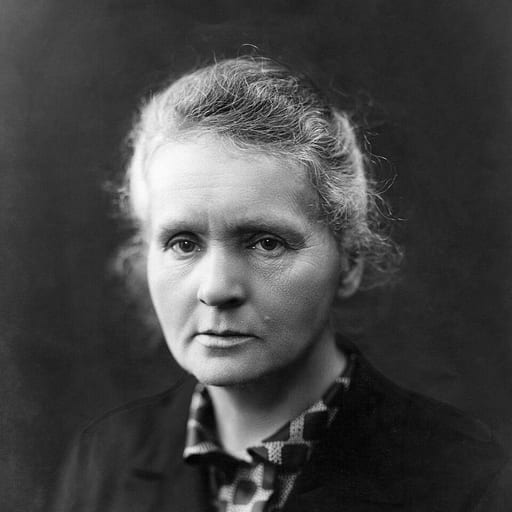 Marie Curie
Instead of spending money on traditional luxuries like a wedding trousseau, she invested in equipment that facilitated shared work and exploration.
Warren BuffettA business can survive major losses if it has enough cash on hand and a stable float from its operations to cover liabilities.
Charlie MungerThe goal of owning a business is to have it produce more cash than it consumes, ideally requiring minimal additional capital to grow.
Bill GurleyManaging inventory and payables to ensure the business generates cash even without accounting profits provides a massive cushion during price wars.
Henry FordProfits should be reinvested into the business to improve service and lower prices rather than being distributed as large dividends.
Focus on reaching profitability immediately rather than burning cash to grow a user base.
Patrick McKenzieWhen a project's impact is high, spending money to acquire tools or data is always superior to wasting hours of skilled labor to build them for free.
Rob WallingGood metrics are expressed as rates or ratios over time, such as monthly recurring revenue, rather than cumulative totals which only ever increase.
Henry FordFinance should be used to support and grow general business rather than to gain a stranglehold on men and concerns.
Rob WallingCalculate the monetary value of development hours to realize that purchasing a validated product can be a significant financial deal.
Episodes are real events from public sources, summarised by us.
Elon MuskAfter acquiring Twitter, Musk faced $13 billion in bank debt and high interest payments. His family office reportedly sought to sell new shares at the original acquisition price to raise capital and pay down the debt.
LessonHigh-leverage acquisitions can create immediate liquidity pressure, requiring creative or aggressive fundraising to manage debt service.
Warren BuffettIn 1994, Berkshire's insurance float grew to over $3 billion. Because the insurance operations achieved an underwriting profit, the cost of this capital was effectively less than zero, making it far cheaper than government bonds.
LessonThe most powerful competitive advantage is access to large amounts of capital at a cost lower than the market rate.
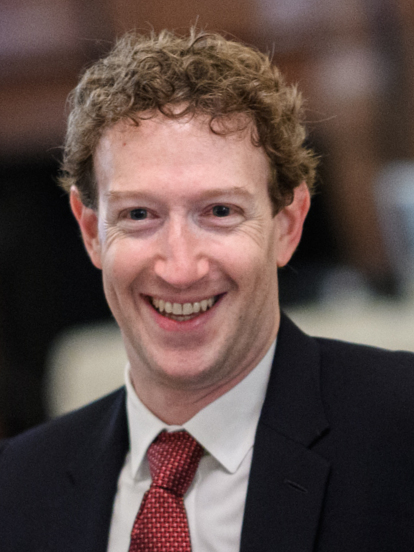 Mark Zuckerberg
To fund rising server costs as they scaled to hundreds of schools, the company took a $300,000 loan from Western Technology Investment. This venture debt provided necessary capital without immediate equity dilution from a larger round.
LessonAlternative financing like venture debt can bridge the gap during rapid scaling before a major equity round.
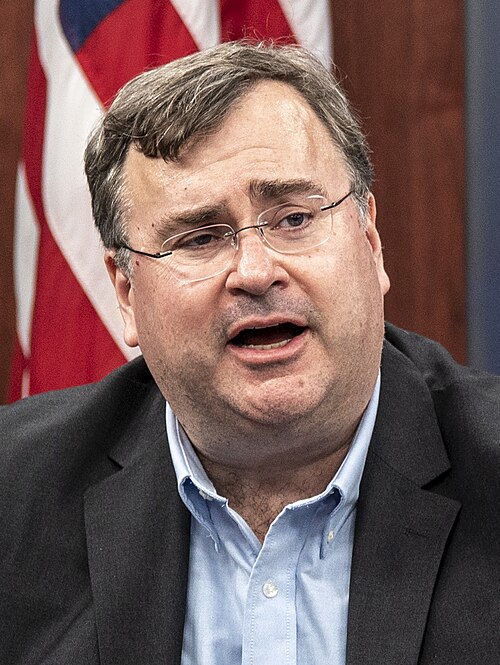 Reid Hoffman
LinkedIn faced a significant challenge as its stock-based compensation grew from $13 million to $222 million per quarter. This massive dilution of shareholders became a major problem that influenced the company's path toward acquisition.
LessonExcessive equity compensation can lead to unsustainable dilution that forces a company's hand in strategic exits.
Andrew partnered with a college student to start a simple pressure washing business in Victoria. Despite being a 'boring' industry, it generated over $20,000 in revenue in its first month without any outside funding.
LessonSimple, unsexy businesses that solve obvious needs can be more immediately profitable than complex startups.
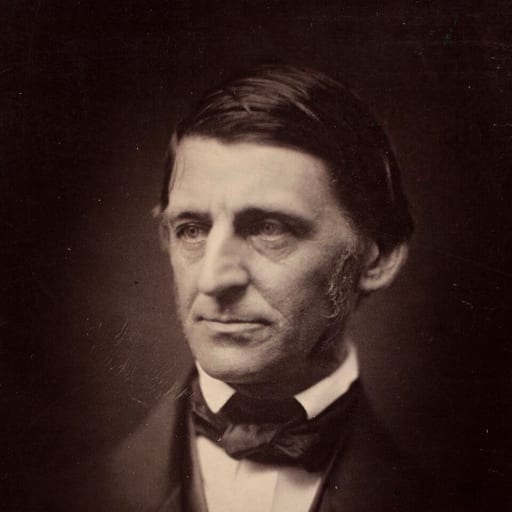 Ralph Waldo Emerson
Thomas Carlyle received a draft of 100 pounds from Emerson, which helped cover the costs of his publication. This payment, along with other royalties, finally drove the 'bugbear of Beggary' out of his sight.
LessonSecuring a financial cushion allows a creator to focus on their work without the constant distraction of survival.
Henry FordFord raised $25 billion in borrowing capacity by placing almost all corporate assets as collateral. This move provided the necessary cash to weather the upcoming 2008 financial crisis without a government bridge loan.
LessonSecuring a massive cash cushion when possible can save a company from bankruptcy during unforeseen economic collapses.
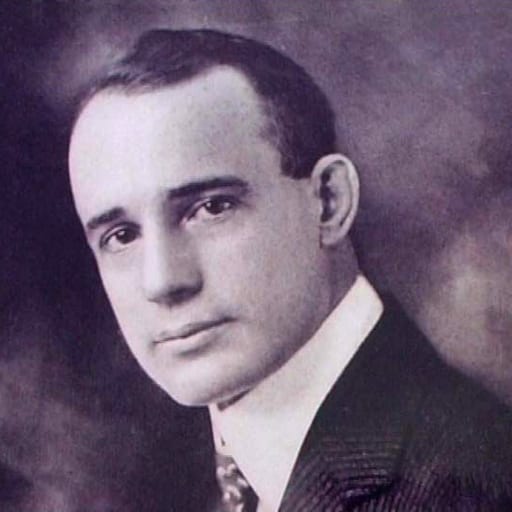 Napoleon Hill
 and his wife Rosa Lee Beeland were struggling financially and living with Hill's son, Blair. Despite family tensions, Blair provided a $300 loan that allowed them to finish writing Think and Grow Rich.
LessonEven the most influential business books often start from a place of extreme financial desperation and reliance on others.
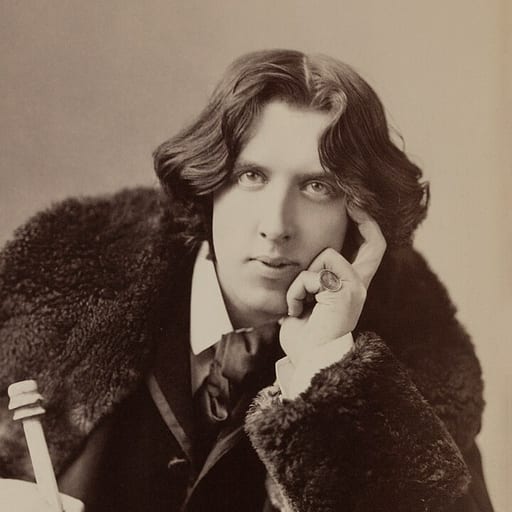 Oscar Wilde
After losing the libel case, Wilde became legally responsible for the massive legal expenses incurred by the defendant. This burden was so great that it led directly to his bankruptcy.
LessonThe hidden costs of losing a legal battle can be more devastating than the initial dispute itself.
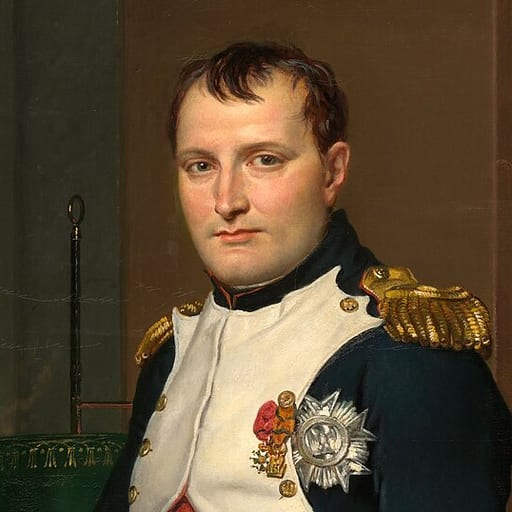 Napoleon Bonaparte
Murat's finances were in disorder, and he owed money to France. Napoleon instructed his minister to inform Murat that if the borrowed funds were not returned, they would be seized by force.
LessonFinancial discipline must be enforced strictly, even among close partners or family members.
 Sun Tzu
 observed that maintaining an army far from home impoverished the people through high taxes and rising prices. He noted that transporting one load of food to the front often consumed twenty loads in the process.
LessonOperational inefficiency and long-distance logistics can drain your capital faster than the competition itself.
Levels shared that his project Photo AI was generating over $60,000 per month. Despite the high revenue, the backend consisted of nearly 14,000 lines of raw PHP code.
LessonBusiness success is driven by customer value, not the complexity or trendiness of the tech stack.