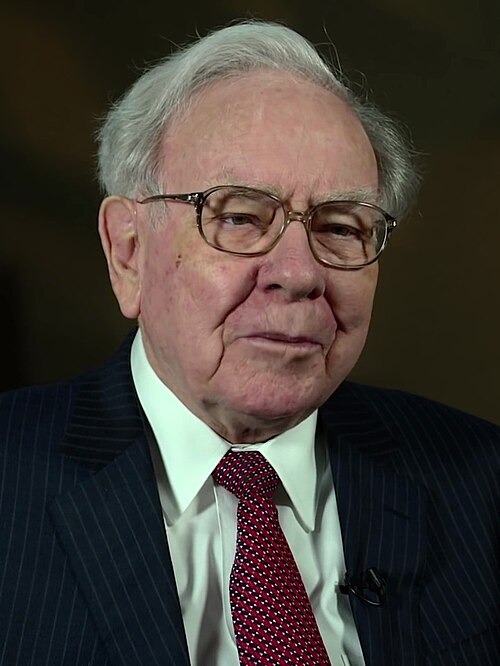
 Warren Buffett
Price Based on Value
A superior balance sheet makes a guarantee more valuable, allowing a company to charge higher premiums than weaker competitors.
Topic
What to charge and when to raise it
Picked for this topic from the basic records of many masters.
Principles are our summary of their public statements.
Warren BuffettA superior balance sheet makes a guarantee more valuable, allowing a company to charge higher premiums than weaker competitors.
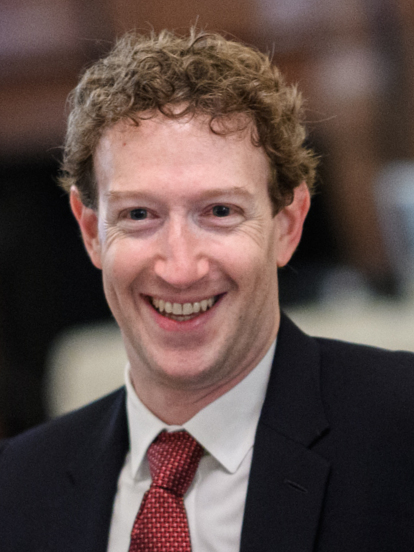 Mark Zuckerberg
Building a service for the entire world requires keeping costs low so that it remains affordable for everyone, not just the wealthy.
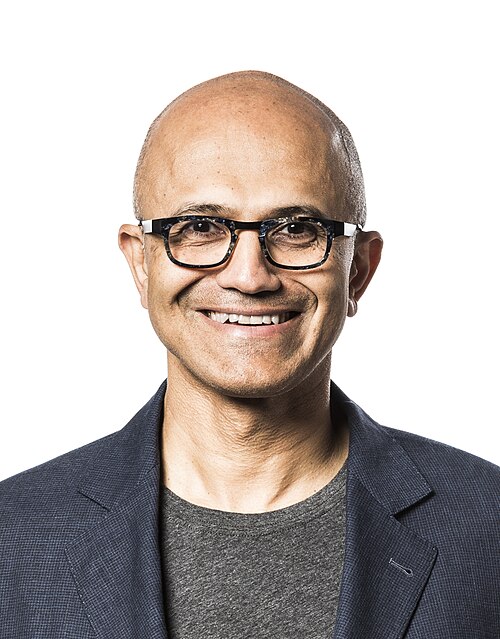 Satya Nadella
Offer different licensing programs tailored to the specific needs and commitment levels of small, medium, and large organizations to ensure flexibility.
Use pricing mechanisms like surge or discounts to align supply and demand in real-time to prevent marketplace collapse.
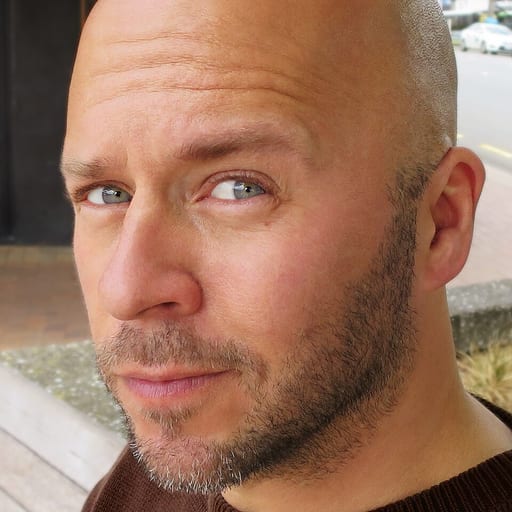 Derek Sivers
Charging a fair price allows a creator to focus on their work without being drained by unrelated jobs. Financial success provides the time and resources needed to improve one's art.
 Seth Godin
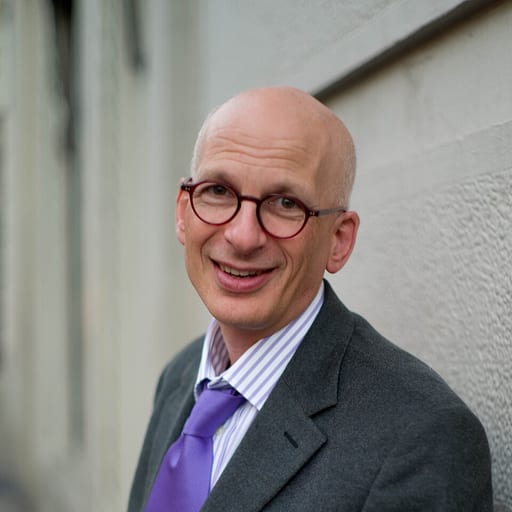
Charging by the minute for a relaxation service can be counterproductive because it creates time pressure for the customer.
Regularly doubling prices for the same service can increase the seller's conviction and lead to better client commitment and results.
 Bill Gurley
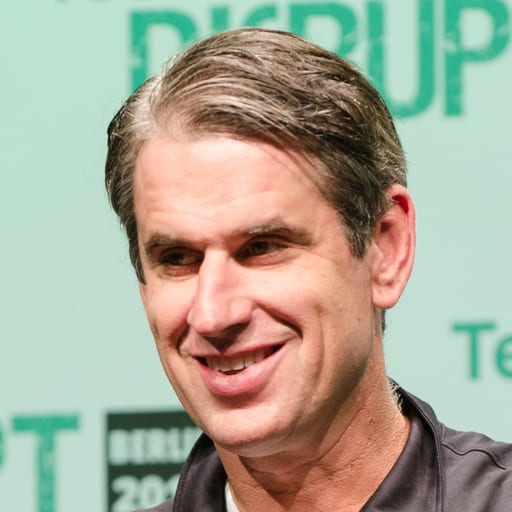
A technology that offers an order of magnitude advantage in price-performance will eventually disrupt established, expensive incumbents.
 Scott Galloway
Innovation often comes from charging the party with the most capital rather than the traditional customer who may be struggling.
 Franklin D. Roosevelt
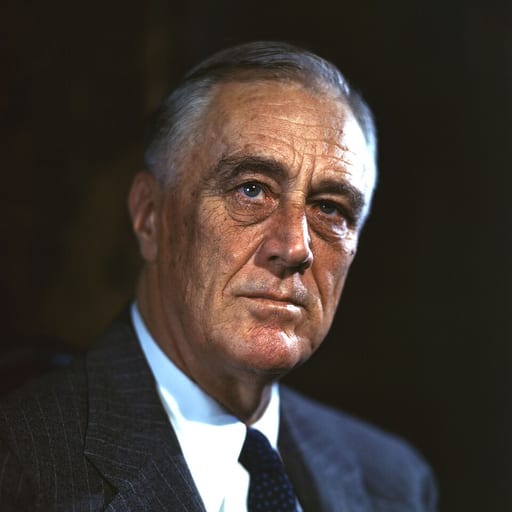
Public assistance wages should be higher than basic relief but lower than private sector pay to encourage people to seek private employment.
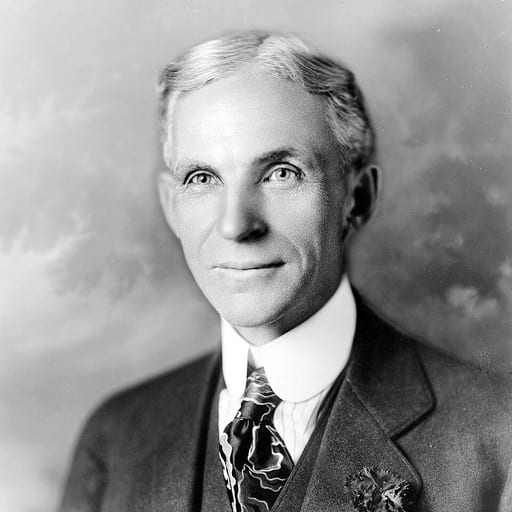 Henry Ford
Success comes from keeping business moving and preferring small profits on many sales over waiting for high-margin single sales.
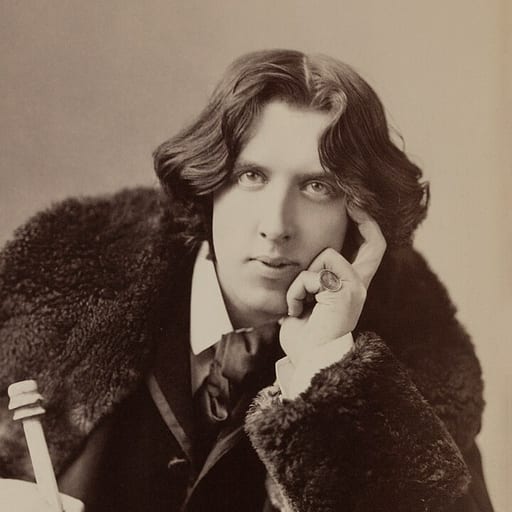 Oscar Wilde
A business owner must understand the intrinsic worth of an asset or product, not just its market cost.
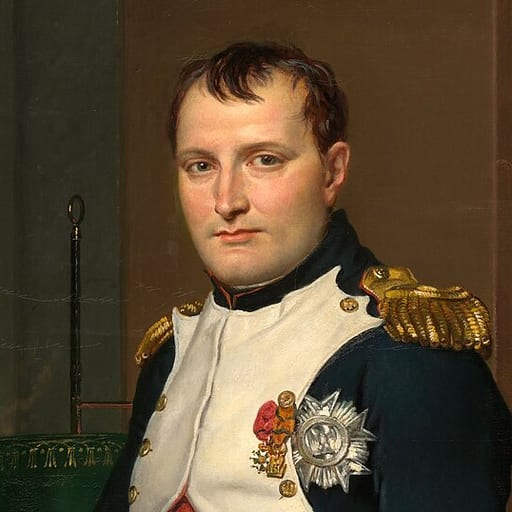 Napoleon Bonaparte
Historical documents and personal relics command high prices because they are rare and provide unique insights into a famous figure's soul.
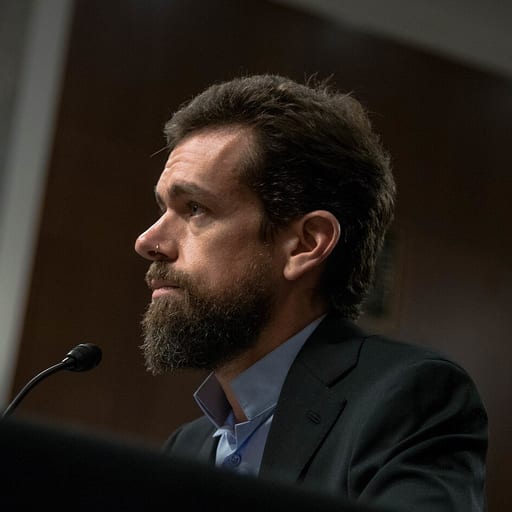 Jack Dorsey
Replacing opaque, multi-page fee structures with a single flat rate creates a massive competitive advantage.
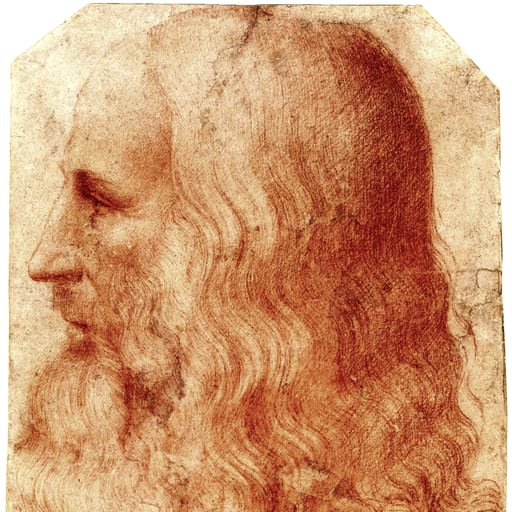 Leonardo da Vinci
He suggests alloying expensive metals with cheaper ones in a specific order to maintain quality while reducing costs.
Do not rely on compliments or free users; the only metric that proves a product's worth is whether customers will pay for it.
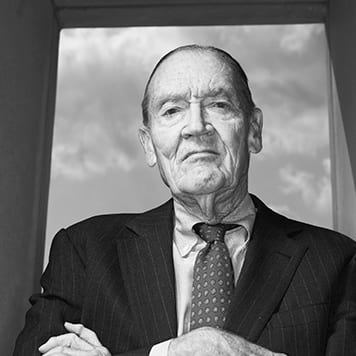 John Bogle
As a business grows and costs per unit drop, passing those savings to customers through lower fees accelerates growth and builds a competitive moat.
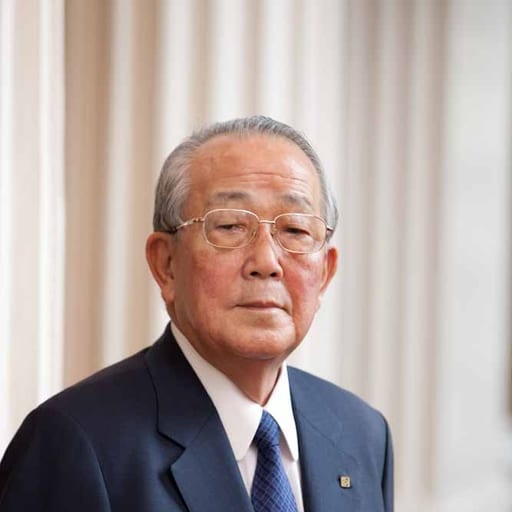 Kazuo Inamori
A business should be founded on a clear mission to provide social value, such as reducing essential costs for the general public.
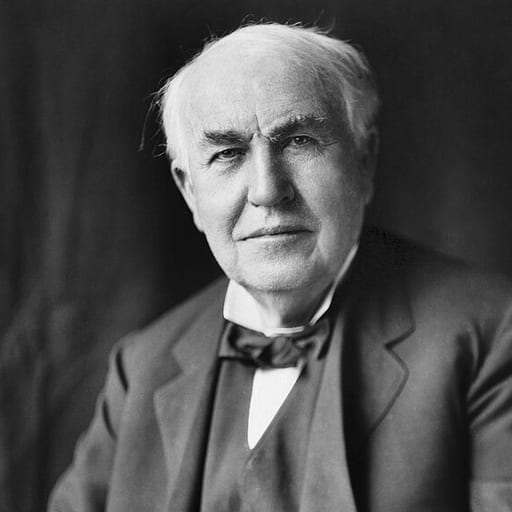 Thomas Edison
When demand far exceeds supply, adjusting prices upward is a legitimate way to manage scarcity and increase revenue.
 Ben Horowitz
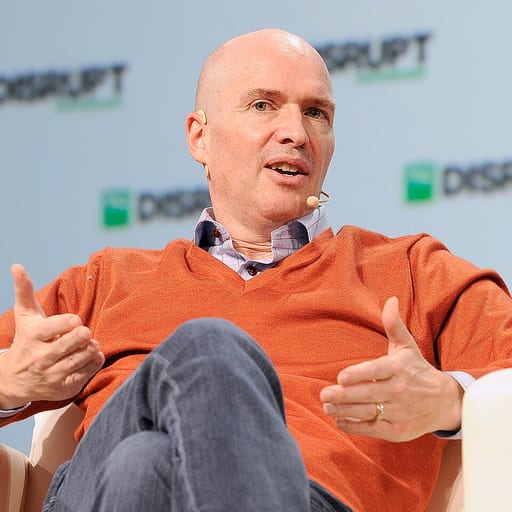
Pricing models should be designed so that customers feel compelled to use the product as much as possible to justify the fixed costs.
 Fred Wilson
Instead of charging developers to access an API, companies should share revenue with them to incentivize adoption and growth.
 Chris Dixon
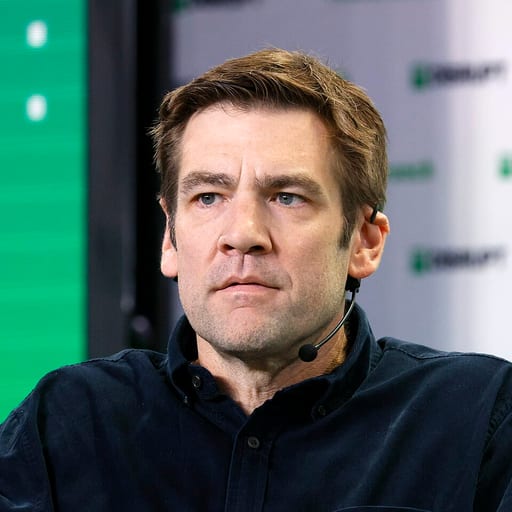
Dominant platforms often extract excessive value from creators, making it difficult for the average participant to earn a living wage.
Set low prices for early products to generate volume, collect testimonials, and build the social capital needed for higher prices later.
Founders should provide annual subscription options immediately to secure upfront cash and validate long-term customer trust.
Episodes are real events from public sources, summarised by us.
 Peter Thiel
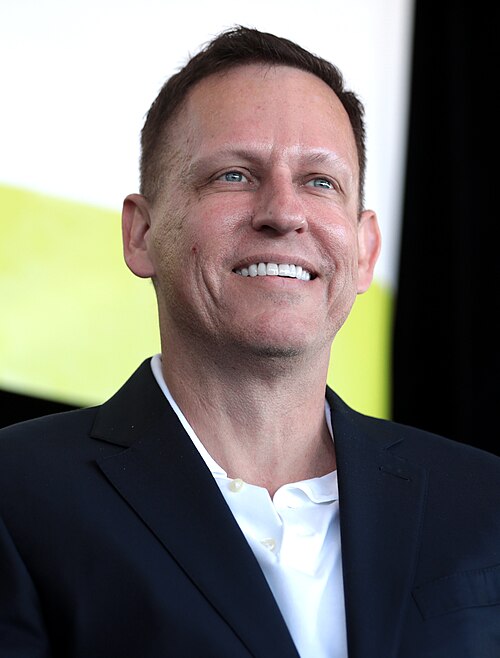
After his time at PayPal, Peter Thiel founded Clarium Capital in San Francisco to pursue a global macro investment strategy. The firm used an unconventional fee structure, charging 0% for management and 25% for performance.
LessonDifferentiating your business model through a unique pricing structure can attract clients by signaling high confidence in your results.
 Jeff Bezos
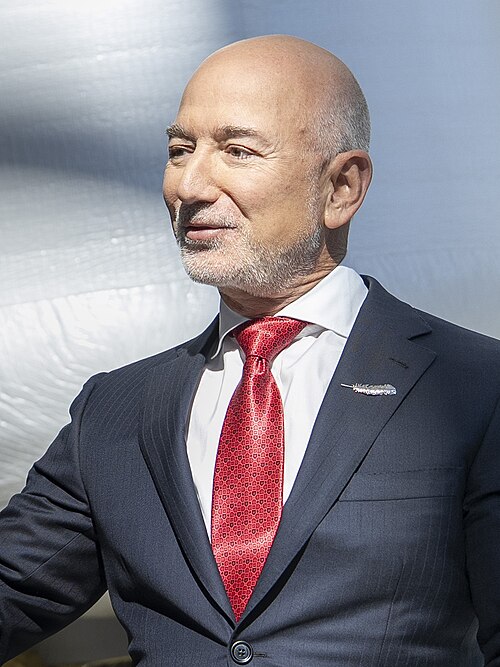
 tested the S3 storage service by building an application and was shocked to receive a bill for only $3.08 for the entire development phase. The following month, the storage cost for the test data dropped to just seven cents.
LessonLowering the cost of failure and experimentation allows for more innovation and faster product cycles.
Satya NadellaMicrosoft managed a major transition from on-premises licensed software to cloud-based subscription services like Office 365 and Microsoft 365. This shift changed how revenue is generated, moving toward per-user and consumption-based models.
LessonTransitioning from one-time sales to recurring subscriptions requires adding continuous value through AI and new features to maintain growth.
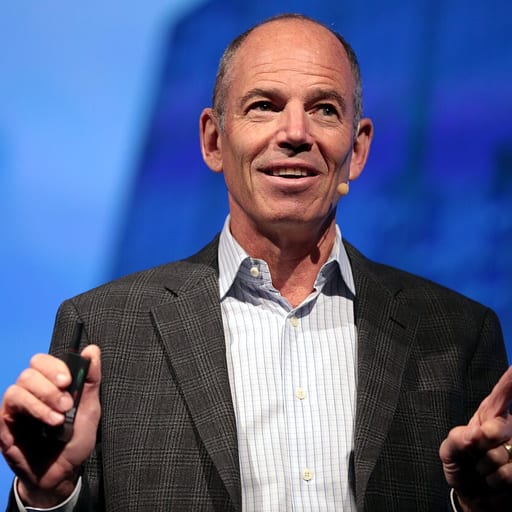 Marc Randolph
Netflix changed its pricing tiers, effectively raising prices by 20-25% for bundled customers during a recession. This led to the loss of a million subscribers almost instantly and a massive drop in stock price.
LessonMisreading the public mood during economic hardship can turn a beloved brand into a target of betrayal.
 Noah Kagan
Noah and his team at Sumo experimented with their pricing model seven times over a few years. They moved from a completely free product to various paid versions to find the optimal revenue point.
LessonDon't settle for your first price; constant experimentation is necessary to find what the market will actually pay.
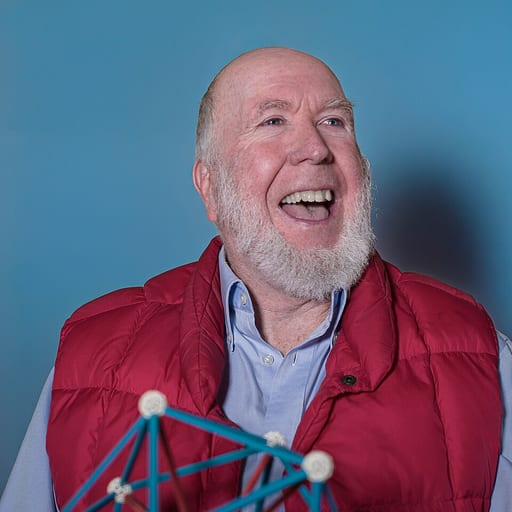 Kevin Kelly
Adobe stopped selling discrete software versions like Photoshop as products. They moved to a subscription model where users always have the latest version as long as they pay monthly.
LessonMoving to a service model ensures a constant relationship and recurring revenue from the customer.
Russell Brunson envisioned using a 5-day one-on-one challenge to sell a $100,000 package. He planned to then upsell those participants to a $250,000 offer by applying the initial payment toward the larger program.
LessonSimple methods used by beginners can be scaled to sell the most expensive products in a business.
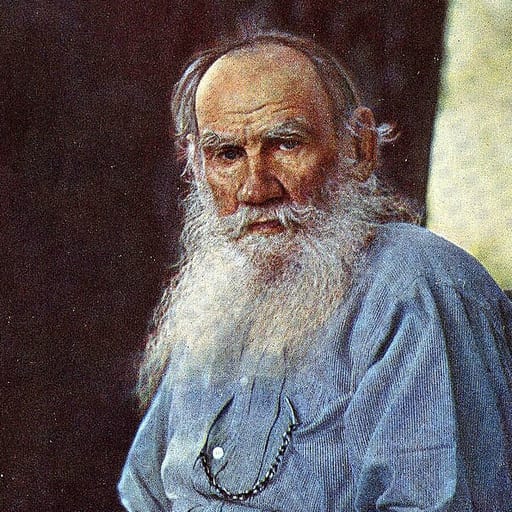 Leo Tolstoy
The lame tailor was offered a spot in a group of five rich peasants who profited by overcharging others for land. He refused to exploit the tenants and proposed giving allotments to everyone on equal terms based on the actual cost.
LessonIntegrity in pricing and distribution builds long-term community trust and a loyal following.
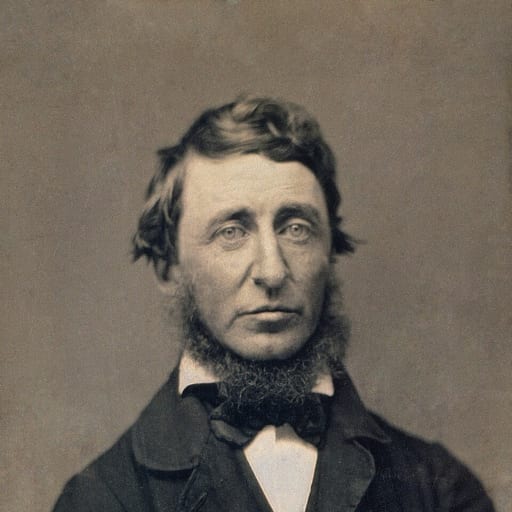 Henry David Thoreau
Thoreau ran out of sugar because his guide used it heavily in coffee. He had to buy more at a remote farm where they charged a premium price due to the difficulty of getting supplies there.
LessonScarcity and logistics justify higher margins in remote or niche markets.
Napoleon BonaparteArchibald Constable negotiated for the rights to publish Napoleon's correspondence with Josephine. The expected price for the letters was five thousand guineas, which the publisher considered far too high at the time.
LessonHigh-demand, exclusive content can command a premium price that may seem excessive to traditional operators.
Li Lu는 초기 6% 수익까지는 수수료를 받지 않는 구조를 도입했어요. 또한 자신의 개인 자산 대부분을 펀드에 묶어두어 투자자들과 운명을 같이 했어요.
LessonAligning your own financial success with that of your customers builds deep trust and long-term loyalty.
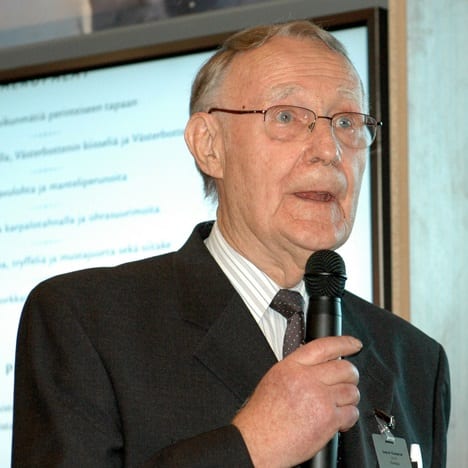 Ingvar Kamprad
Ingvar formalized the hot dog product policy after observing similar low-price strategies at Costco. He mandated that the range must include products with wow prices that are impossible for competitors to match.
LessonA single, incredibly priced item can define a brand's value proposition in the customer's mind.