Hall of Masters

Paul Graham

폴 그레이엄

Co-founder of Viaweb and Y Combinator and essayist known for advising founders to do things that don't scale and make something people genuinely want.

1,566 records in all

  • Principles 417
  • Episodes 232
  • Quotes 917
Ask with this master's words

3 free questions a day, no sign-up.

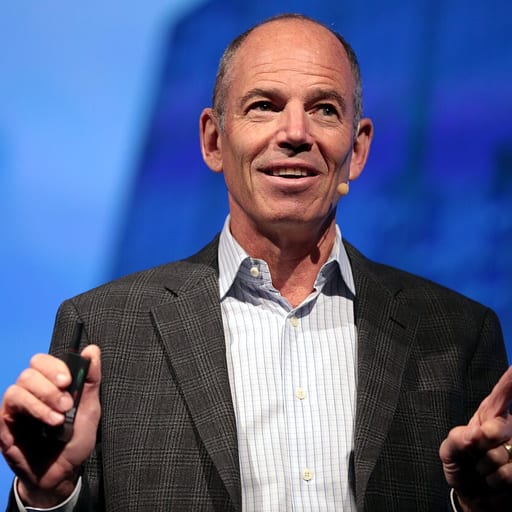
Photo: TechCrunch (Charles Eshelman/Getty Images for AOL)  CC BY 2.0  Original  cropped

Episodes

35 basic records of 232

Episodes are real events from public sources, summarised by us.

  • Apple's Larval Market

    In 1976, very few people wanted a personal computer, but Steve Wozniak built one because he wanted it for himself. This small initial interest grew into a massive global market where almost everyone now owns a computer.

    LessonA tiny market of passionate users is a better starting point than a broad market with lukewarm interest.


  • 2009Hiring

    Defining the Ideal Founder

    Paul Graham was writing a talk for investors and needed to explain what to look for in founders. He realized that the opposite of being 'hapless' is being 'relentlessly resourceful,' which became his core metric.

    LessonThe best short description of a good founder is someone who is relentlessly resourceful.

  • The Saltintesta Goal

    Paul Graham describes his writing philosophy using the metaphor of 'saltimbocca'. He aims for 'saltintesta', where ideas leap into the reader's head effortlessly.

    LessonThe best communication happens when the medium becomes invisible and only the message remains.

  • The Binder of Credit Cards

    Before joining YC, the founders were funding Airbnb with credit cards and had maxed out an entire binder's worth of them. Despite having no growth for a year and being rejected by investors, they continued because they believed in the experience they had shared with their first guests.

    LessonTrue conviction comes from witnessing a glimpse of the future through early user experiences.

  • 2014Hiring

    Jessica's character assessment

    Jessica Livingston, cofounder of Y Combinator, noticed a consistent pattern where good people succeeded as founders while bad people failed. She brought this perspective from her background in investment banking to the startup world.

    LessonA founder's character is a leading indicator of their long-term success or failure.

  • Adopting the Notebook Habit

    Paul Graham switched from using random scraps of paper to carrying a dedicated small notebook. This allowed him to use the surrounding context of pages to decipher old notes that would have otherwise been lost or unintelligible.

    LessonOrganized tools provide the necessary context to make past insights useful in the future.

  • 2004Brand

    The Success of the iPod

    Apple entered the consumer electronics market with the iPod, focusing intensely on design while competitors like Sony lagged. Paul Graham noted that the device satisfied expectations he didn't even know he had.

    LessonA CEO's obsession with good design can create products that surprise and delight users in ways data cannot predict.

  • Reddit's Rapid Launch

    Paul Graham pushed the founders to build Reddit in just a few weeks using only a few hundred lines of code. They launched three weeks into the first YC batch, using themselves and friends as the initial user base.

    LessonSpeed to market allows you to test core utility with real users immediately.

  • Bill Gates's Strange Taste

    Bill Gates succeeded because he genuinely loved the business side of software, specifically writing software for customers, which is a rare interest. This alignment of a strange personal taste with a high-paying market allowed him to build a massive company.

    LessonIf you love a specific, difficult part of business that others find tedious, you have a massive competitive advantage.

  • Switching to Bayesian filtering

    Paul spent six months manually writing rules to catch spam features before trying a statistical approach. He found that the statistical Bayesian filter was immediately more effective and discovered indicators he had never considered.

    LessonAutomated statistical analysis often outperforms manual human effort in complex pattern recognition tasks.

  • Mapping the lunchroom hierarchy

    Paul and his friend Rich created a map of their junior high school lunch tables based on popularity levels from A to E. They honestly placed themselves at a D table, recognizing that everyone in school knew exactly where they stood socially.

    LessonSelf-awareness about one's current market position is the first step to understanding the system you are in.

  • The Doomed Windows NT Startup

    A venture capitalist told Paul about a startup building on Windows NT with an NT-specialist CTO. Paul predicted their failure because top-tier hackers would neither choose that platform nor want to work for someone who did.

    LessonInfrastructure choices dictate the ceiling of your hiring potential.

  • The Y Combinator Demo Day Advice

    Paul Graham observed that founders often struggle with the opaque behavior of investors during phase 2 fundraising. He developed a set of rules to help YC startups navigate the misleading signals and wishful thinking that occur during Demo Day.

    LessonInexperienced founders must impose external constraints on themselves because their intuitions about investors are often wrong.

  • 2008Career

    The Shift in US Meritocracy

    Paul Graham observed that the US moved from a credential-heavy society to one focused on performance. He noted that 25 years prior, bosses were heavily influenced by an applicant's college, but the rise of startups changed this dynamic.

    LessonAs markets become more efficient at measuring output, the value of traditional credentials decreases.

  • Historical Credentialism in China

    The practice of judging people by academic credentials began in China in 587 with imperial civil service exams. While it was an advance over bribery, it led to the creation of 'cram schools' designed to hack the system through wealth.

    LessonAny standardized testing system will eventually be gamed by those with resources, making it a leaky seal for merit.

You are seeing 236 basic records. Membership answers from all 1,566 of this master's records.

See membership

More masters in this field

See the whole field

Founders and company builders

These records are our compilation of public statements and sources. We are not affiliated with or endorsed by Paul Graham or any related company. If something should come down, tell us. Takedown request form