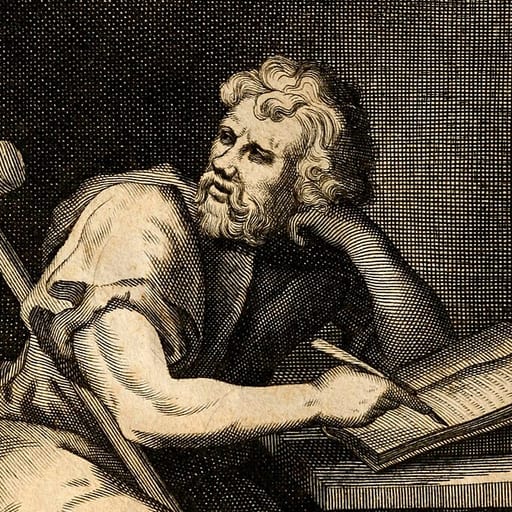
Hall of Masters

Epictetus

에픽테토스

Stoic philosopher born a slave; the Discourses and the Enchiridion

932 records in all

  • Principles 303
  • Episodes 208
  • Quotes 421
Ask with this master's words

3 free questions a day, no sign-up.

Photo: William Sonmans / Michael Burghers  Public domain  Original  cropped

Episodes

31 basic records of 208

Episodes are real events from public sources, summarised by us.

  • The First Printed Edition

    Vettore Trincavelli produced the first printed Greek edition of the Discourses in Venice in 1535. Although the source manuscript he used was full of faults, it marked the beginning of the text's wider distribution in the modern era.

    LessonLaunching with a flawed version is often better than not launching at all, as it creates a foundation for future improvements.

  • The Metaphor of the Bath

    Epictetus describes the common chaos of a public bath, including splashing, pushing, and stealing. He suggests that one should go to the bath intending not just to wash, but to keep their will in harmony with nature despite the chaos.

    LessonAnticipate the typical frustrations of an activity so they do not break your focus when they occur.

  • Socrates avoids ostentation

    Socrates refused to show off his wisdom and would even introduce people to other philosophers when they asked for his guidance. He focused on living his principles rather than talking about them.

    LessonTrue authority comes from consistent action and humility, not from boasting about your expertise.

  • The Distracted Student

    A student came to Epictetus to judge his explanations of texts while being internally consumed by family disputes and social anxiety. Epictetus pointed out that the student was more worried about his father's opinion than the actual learning.

    LessonTrue learning and professional growth are impossible if one's mind is preoccupied with external validation and domestic conflicts.

  • Helvia's Disinterested Management

    에픽테토스의 스승인 세네카의 어머니 헬비아는 아들들의 재산을 열정적으로 관리하면서도 그 부로부터 어떠한 개인적 이득도 취하지 않았어요. 그녀는 오히려 자신의 돈을 들여 아들들의 정치적 경력을 지원하며 당대의 사치스러운 풍조를 거부했어요.

    LessonA leader gains respect by managing assets for the benefit of the organization rather than for personal enrichment.

  • The Virtue of Seclusion in Power

    세네카의 이모는 남편이 이집트 총독으로 있을 때 다른 관리들의 부인들과 달리 공적인 자리에 나타나지 않고 청탁을 주고받지도 않았어요. 그녀는 남편이 사망했을 때도 위험을 무릅쓰고 시신을 지키며 끝까지 책임을 다했어요.

    LessonMaintaining a low profile and avoiding the exchange of favors can protect a leader's reputation in volatile environments.

  • Seneca's Choice of Philosophy

    세네카는 형제들이 수사학에 몰두할 때 철학 공부에 열정을 쏟기로 결정했어요. 그는 수사학적 기교보다 진실된 감정과 깊이 있는 진리를 표현하는 것이 더 가치 있다고 믿었어요.

    LessonAuthentic expression and deep principles are more powerful than artificial communication skills.

  • The Failure of Rhetorical Schools

    당시 학교들은 학생들에게 고대 웅변가들의 겉모습만 흉내 내도록 가르쳤고, 이는 알맹이 없는 화려한 말잔치로 이어졌어요. 이러한 교육 방식은 깊이 있는 사고를 방해하고 겉치레만 중시하는 문화를 만들었어요.

    LessonFocusing on style over substance leads to a decline in real value and original thought.

  • The Erosion of the Middle Class

    The Roman middle class vanished as wealth became concentrated in the hands of a few millionaires and corrupt officials. The population became divided between the ultra-wealthy and a dependent class living on daily handouts.

    LessonA society or organization without a stable middle tier loses its sturdy independence and manly self-reliance.

  • Caligula's Survival Strategy

    While living under the suspicious Emperor Tiberius at Capreae, young Caligula survived by suppressing all emotion regarding his family's fate. He practiced absolute flattery and cringed before the master to avoid execution.

    LessonIn high-stakes environments, controlling one's outward reactions is often a necessary tactic for survival.

  • 0041Focus

    Seneca's Strategic Withdrawal

    After his near-death experience, Seneca withdrew from all public affairs and legal work to avoid further notice from the Emperor. He spent this period in constant study and writing, often working through the night to produce philosophical works for posterity.

    LessonStrategic retreat is not failure; it is an opportunity to build intellectual capital and long-term value.

  • The Suppressed History

    클라우디우스는 학구적인 인물로 리비우스의 격려를 받아 역사서를 집필했어요. 하지만 그의 글이 너무나 정확하고 솔직했기 때문에, 가족들은 이를 그의 어리석음의 증거로 여겨 출판을 금지했어요.

    Lesson때로는 지나친 솔직함이 정치적으로나 사업적으로 불리하게 작용할 수 있음을 인지해야 해요.

  • Seneca's Return to Court

    세네카는 카이우스 황제의 질투를 피해 은둔해 있다가, 클라우디우스가 즉위하자 다시 조정의 화려한 위치로 복귀했어요. 그는 철학적 원칙을 지키기보다 야망을 선택했지만, 결국 유배와 죽음을 맞이하게 되었어요.

    Lesson자신의 가치관과 맞지 않는 화려한 자리는 결국 독이 든 성배가 될 수 있어요.

  • The Fall of Messalina

    황후 메살리나가 권력을 남용하며 방탕한 생활을 즐기다 결국 남편 클라우디우스 황제의 분노를 샀어요. 그녀는 도망치려 했으나 결국 처형당했고, 황제는 그녀의 죽음 소식을 듣고도 아무런 감정의 동요를 보이지 않았어요.

    LessonUnchecked corruption and lack of loyalty eventually lead to a total loss of support when a crisis hits.

  • The Assassination of Claudius

    Agrippina conspired with a physician and a poisoner to kill Emperor Claudius using poisoned mushrooms. When the initial dose failed, the physician finished the job by tickling the Emperor's throat with a poisoned feather.

    LessonRuthless competitors will exploit your personal weaknesses and habits to bring about your downfall.

  • Seneca's Tactical Diplomacy

    네로의 어머니 아그리피나가 황제의 권위에 도전하며 공식 알현 자리에 동석하려 하자, 세네카는 기지를 발휘했어요. 그는 네로에게 일어나서 어머니를 맞이하라고 제안함으로써 공적인 스캔들을 효심이라는 명분으로 자연스럽게 해결했어요.

    LessonUse tact and social framing to defuse power struggles without causing a public scene.

You are seeing 139 basic records. Membership answers from all 932 of this master's records.

See membership

More masters in this field

See the whole field

Philosophy and wisdom traditions

These records are our compilation of public statements and sources. We are not affiliated with or endorsed by Epictetus or any related company. If something should come down, tell us. Takedown request form