
Hall of Masters

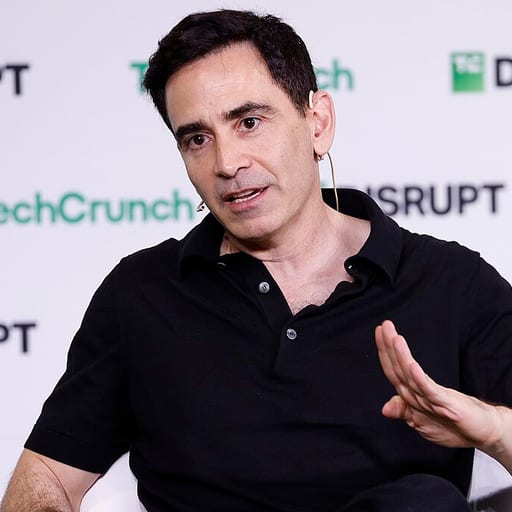
Chris Dixon

크리스 딕슨

General partner at Andreessen Horowitz; founder turned investor

1,416 records in all

  • Principles 579
  • Episodes 284
  • Quotes 553
Ask with this master's words

3 free questions a day, no sign-up.

Photo: TechCrunch  CC BY 2.0  Original  cropped

Episodes

43 basic records of 284

Episodes are real events from public sources, summarised by us.

  • 2009Risk

    The Critique of Twitter's Rise

    Dixon observed Twitter beginning to replace RSS as the primary way people consumed information. He argued that moving from a distributed protocol like RSS to a centralized gatekeeper like Twitter would eventually harm the internet's reliability and innovation.

    LessonBuilding on top of a centralized gatekeeper creates long-term platform risk for your business.

  • 2006Cash

    SiteAdvisor Series A Timing

    Dixon's company SiteAdvisor raised a Series A round just three months before being acquired. This meant they gave up equity for cash that they never actually had the chance to spend.

    LessonIt is better to have raised unnecessary cash than to risk running out of money during critical negotiations.

  • YouTube's Timing Advantage

    Many companies tried viral video sharing before YouTube but failed due to lack of broadband. YouTube launched when high-speed internet and better Flash technology were finally available to users.

    LessonA great idea requires the right infrastructure and prerequisite technologies to be widely adopted.

  • Google's Search Focus

    Google entered the search market long after competitors like Yahoo and Lycos. While others tried to become multipurpose portals, Google won by executing better on the single most important feature: search.

    LessonLate entrants can win by focusing on core value propositions that incumbents have neglected.

  • Launching Founder Collective

    Chris Dixon joined fellow serial entrepreneurs Eric Paley and Dave Frankel to start a new kind of venture firm. They wanted to build the type of firm they wished had existed when they were starting their own first companies.

    LessonIf you see a systemic flaw in how your industry serves its customers, build the alternative you wish you had.

  • Platform Extraction Examples

    Dixon points to historical cases like Google vs. Yelp and Facebook vs. Zynga where platforms shifted from cooperating with third parties to competing with them for profits. This shift occurs once platforms reach the top of their growth curve and seek new ways to extract value.

    LessonUnderstand that a platform's relationship with you will likely turn zero-sum once they no longer need you for growth.

  • Google vs Facebook Data War

    Google added a warning message for users exporting contacts to Facebook, criticizing Facebook's refusal to allow data export. Google called this 'data protectionism' while Facebook remained protective of its social graph.

    LessonDominant players will protect their data assets to prevent smaller competitors from gaining value through interoperability.

  • Dixon highlights Jefferson's patent philosophy

    Chris Dixon shared a historical letter from Thomas Jefferson to Isaac McPherson to discuss the nature of patents. The letter argues that ideas should freely spread for the improvement of man's condition.

    LessonFounders should realize that legal monopolies on ideas are a matter of societal convenience rather than a natural law.

  • 2011Risk

    Analyzing the 2011 Tech Market

    Chris observed a heated debate about a potential tech bubble involving companies like Facebook and Groupon. He noted that unlike the 90s, the risks were mostly held by wealthy individuals in secondary markets rather than the general public.

    LessonMarket stability is higher when risk is concentrated among sophisticated investors who can afford the loss.

  • Dropbox's High Valuation Analysis

    Dixon analyzed reports that Dropbox raised money at a 4 billion dollar valuation while generating over 100 million dollars in revenue. He explained that even at this high price, investors only lose money if the company sells for less than the 257 million dollars total capital raised.

    LessonHigh valuations are safer for founders than they appear if the company's revenue and profitability make a low-priced fire sale unlikely.

  • Amazon Prime User Behavior

    Dixon observed that Amazon Prime customers, including himself, were starting to bypass Google entirely for product searches. They went directly to Amazon because the platform consolidated the shopping experience and offered better results than Google's algorithm.

    LessonWhen a platform provides enough value and trust, it can break the user's habit of starting with a general search engine.

  • 2003Career

    The Missed VC Connection

    While working as a junior investor at Bessemer, Chris sat next to a business school student at a dinner. The student spent the entire time talking about his desire to work in venture capital but never asked Chris what he did for a living.

    LessonAlways ask who you are talking to, as the person right next to you might be the key to your career goals.

  • Twitter's acquisition of Tweetie

    Twitter acquired the third-party client Tweetie to improve its underwhelming internal product development. This move signaled a shift from being a pure API to owning the user experience directly.

    LessonAcquiring successful third-party developers can help a platform fix internal product weaknesses while signaling respect for the ecosystem.

  • In-house SEO learning

    Chris Dixon decided to handle SEO internally rather than using consultants. He asked his programmers and designers to read specialized sites like SEOMoz and Matt Cutts' blog daily to stay updated.

    LessonTechnical teams can master SEO by integrating it into their daily learning and product design workflow.

  • 2005Hiring

    Recruiting at MIT Media Lab

    Chris Dixon and Tom Pinckney visited the MIT Media Lab to recruit programmers when startups were unpopular. They sat at lunch counters and awkwardly introduced themselves to students, most of whom ignored them or were skeptical that startups still existed.

    LessonPersistence in showing up at talent hubs eventually pays off despite initial failures and social awkwardness.

You are seeing 213 basic records. Membership answers from all 1,416 of this master's records.

See membership

More masters in this field

See the whole field

Investing and capital allocation

These records are our compilation of public statements and sources. We are not affiliated with or endorsed by Chris Dixon or any related company. If something should come down, tell us. Takedown request form