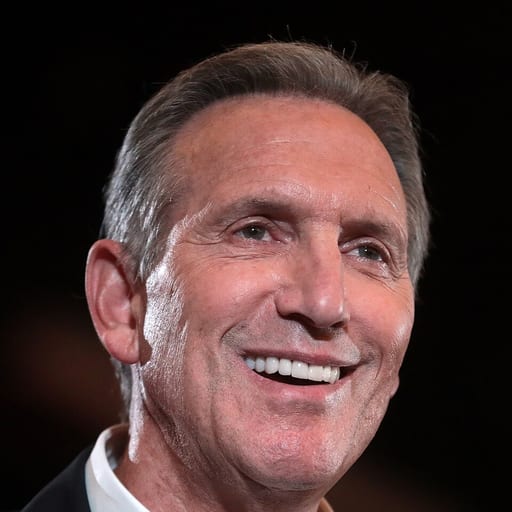
Hall of Masters

Phil Knight

필 나이트

Co-founder of Nike, author of Shoe Dog

128 records in all

  • Principles 61
  • Episodes 67
  • Quotes 0
Ask with this master's words

3 free questions a day, no sign-up.

Photo: Neon Tommy  CC BY-SA 2.0  Original  cropped

Episodes

10 basic records of 67

Episodes are real events from public sources, summarised by us.

  • The Business Plan for Blue Ribbon Sports

    While in his final term at Stanford GSB, Knight wrote a paper for an entrepreneurship class that became the blueprint for his future company. He proposed importing high-quality, low-cost Japanese running shoes to compete with dominant German brands like Adidas.

    LessonA well-researched business plan based on market gaps can serve as a reliable roadmap for years.

  • The Impromptu Visit to Onitsuka

    During a trip to Japan, Knight observed runners wearing Tiger brand shoes and decided to visit the manufacturer, Onitsuka, in Kobe. Despite having no established company, he presented himself as an American distributor to negotiate an import deal.

    LessonDirect action and showing up in person can open doors that seem closed to a new founder.

  • The Jogging Movement

    Bill Bowerman wrote a book called 'Jogging' to promote fitness for everyone, not just elite athletes. This book and a subsequent Life Magazine profile helped spark the national fitness revolution in America.

    LessonA founder's side project or advocacy can create the very market demand their product eventually fills.

  • The Failed Sports-Tek IPO

    To raise capital after being rejected by banks, Knight tried to launch a local public offering under the name Sports-Tek Inc to sound like a technology company. The offering failed because local investors and early venture capitalists saw it as a poor investment.

    LessonChanging a company's name to follow a trend rarely fools sophisticated investors if the underlying business doesn't match the hype.

  • 1970Wealth

    The Woodell Family Loan

    After other funding failed, Knight raised a few thousand dollars from the family of his employee Bob Woodell. This small loan, which represented a huge portion of the family's net worth, was later converted into equity that made them millionaires.

    LessonEarly support from believers in the mission can provide the critical bridge needed to survive a cash crunch.

  • The Nissho Iwai Partnership

    Blue Ribbon was cut off by its bank and needed cash to finance inventory. Phil Knight met with Nissho Iwai, a massive Japanese trading company, which offered to finance all of Nike's inventory on the spot.

    LessonA strategic financing partner can provide more than just cash; they can offer industry connections and manufacturing scale.

  • Rejecting the Onitsuka Takeover

    Onitsuka offered to buy 51% of Blue Ribbon at book value, which was essentially zero. Phil Knight stalled his response to keep receiving shoe shipments while secretly preparing to launch his own brand.

    LessonDon't accept a bad buyout offer just because you are in a cash crunch; find a way to pivot instead.

  • The Air Jordan 2 Failure

    Nike overstuffed retail channels in year one, leading to a sales hangover. When the Air Jordan 2 launched at a higher price point with stiff Italian leather, both customers and Michael Jordan disliked the product, nearly losing Jordan to Adidas.

    LessonOver-pushing inventory and losing focus on product performance can jeopardize your most valuable partnerships.

  • 1981Risk

    The High Leverage Strategy

    For the first 15 years, Phil Knight operated Nike with a 100% debt-to-assets ratio. He even used his personal home as collateral to guarantee loans and avoid taking on equity investors.

    LessonHigh leverage can lead to massive wealth if the company survives, but it leaves zero room for error.

  • 2016Brand

    Publishing the Honest Journey

    Phil Knight released his memoir, Shoe Dog, detailing the history of Nike from its early days as Blue Ribbon Sports. He chose to be refreshingly honest about the perils and mistakes encountered during the company's evolution.

    LessonBeing open about your struggles can build a powerful legacy and inspire others more than a perfect facade.

You are seeing 19 basic records. Membership answers from all 128 of this master's records.

See membership

More masters in this field

See the whole field

Founders and company builders

These records are our compilation of public statements and sources. We are not affiliated with or endorsed by Phil Knight or any related company. If something should come down, tell us. Takedown request form