Hall of Masters

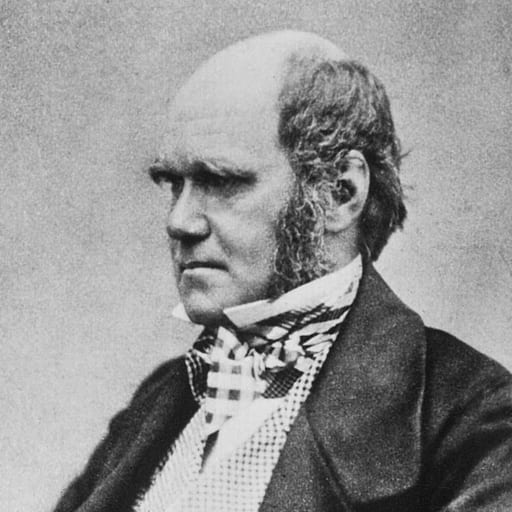
Charles Darwin

찰스 다윈

Naturalist; theory of evolution by natural selection

1,031 records in all

  • Principles 361
  • Episodes 311
  • Quotes 359
Ask with this master's words

3 free questions a day, no sign-up.

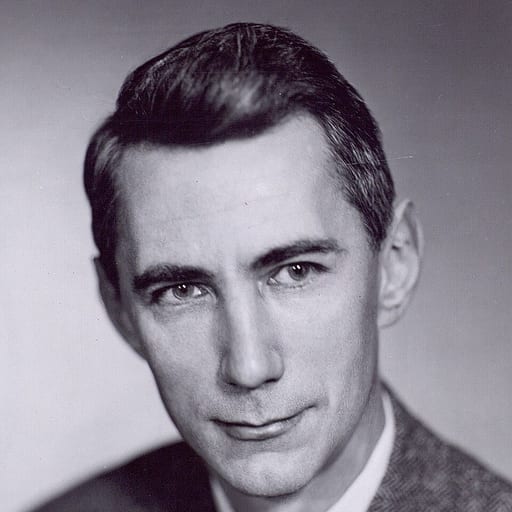
Photo: Henry Maull (1829–1914) and John Fox (1832–1907) (Maull & Fox); derivative work: Beao  Public domain  Original  cropped

Episodes

47 basic records of 311

Episodes are real events from public sources, summarised by us.

  • Darwin Catches Himself

    Darwin attempted to practice using the 'bolas', a Gaucho throwing weapon, while galloping on his horse. He accidentally hit a bush with one ball, which caused the device to swing back and entangle his own horse's leg, leading the Gauchos to laugh at the sight of a man catching himself.

    LessonEven experts or intellectuals will look foolish when attempting to master a practical skill without sufficient practice.
  • The Tameness of Maldonado Rodents

    Darwin approached large capybaras within three yards because they were unusually tame. He concluded this was because their natural predator, the Jaguar, had been removed and humans did not find them worth hunting.

    LessonLack of competition or external threats can lead to a loss of defensive instincts and a state of complacency.

  • 1793Risk

    The Buenos Ayres Thunderstorm

    A massive storm struck Buenos Ayres, hitting thirty-seven places and killing nineteen people. Darwin noted how the lightning fused metal wires and even volatilized gilding onto nearby objects.

    LessonExtreme events reveal the true, sometimes destructive, power of the environment you operate in.

  • Ostrich Nesting Strategy

    Darwin observed that multiple female ostriches lay eggs in a single nest managed by one male. This collaborative approach ensures that eggs are laid and hatched within a viable timeframe that a single bird couldn't manage alone.

    LessonCollaboration can solve timing and resource constraints that individuals cannot overcome by themselves.

  • Correcting the Map

    Darwin observed the Rio Sauce and found it to be a small stream, contradicting the Jesuit Falconer's description of it as a large river. He used local knowledge about snowmelt to explain its periodic floods.

    LessonDirect observation and local insights often reveal truths that prestigious historical sources miss.

  • Rapid Technology Adoption

    Horses were first landed in South America in 1537 and ran wild after a colony was deserted. By 1580, they had multiplied so rapidly that they reached the Strait of Magellan and were already being used by local tribes.

    LessonUseful innovations can spread and scale with incredible speed once they enter a fertile environment.

  • The Gravel-Pit Argument

    Darwin argued against the contemporary idea that geologists should only observe without theorizing. He pointed out that observing without a goal is as useless as counting pebbles in a gravel pit just to describe their colors.

    LessonRaw data is meaningless unless you have a specific question or strategy you are trying to validate.

  • Connecting Disparate Observations

    After witnessing an earthquake in Chile and finding seashells high in the Andes, Darwin connected these events to geological theories. He proposed that land rose slowly over time, which also explained how coral atolls formed as islands sank.

    LessonSuccess often comes from connecting small, observed facts into a larger, coherent strategy or theory.

  • 1836Wealth

    Securing Financial Independence

    Upon returning to England, Darwin's father organized investments for him. This financial support allowed Darwin to work as a self-funded gentleman scientist without needing a traditional job.

    LessonFinancial independence provides the freedom to focus entirely on high-level creative or intellectual work.

  • Predictive Orchid Research

    다윈은 특정 난초의 구조를 보고 이를 수정시킬 긴 주둥이를 가진 나방이 존재할 것이라고 예측했어요. 이 대담한 예측은 수십 년 후 실제로 해당 나방이 발견되면서 그의 이론을 증명하는 강력한 근거가 되었어요.

    LessonMaking specific, testable predictions can build immense long-term credibility for a new theory or product.

  • The Atrophy of Wisdom Teeth

    Darwin observed that civilized humans have smaller jaws and decaying wisdom teeth because they eat softer, cooked food. He noted that in the United States, dentists often had to remove molars because the jaw no longer grew large enough to fit them.

    LessonWhen a tool or process is no longer used intensely, it will eventually become a liability or disappear.

  • The Reduction of Defensive Organs

    As early humans began using stones and clubs for defense, they relied less on their physical jaws and canine teeth. Over generations, these physical traits reduced in size because they were no longer the primary means of survival.

    LessonWhen a superior technology or tool replaces a natural function, the old method becomes obsolete and eventually disappears.

  • 1871Hiring

    The Rise of the United States

    Darwin noted that the rapid progress of the United States resulted from the immigration of the most energetic and courageous individuals from Europe. These people succeeded best because they were naturally selected for their restlessness and drive.

    LessonA company's growth is driven by recruiting and retaining individuals with high natural energy and a bias for action.

  • The Hawaiian Fertility Crisis

    The Hawaiian government became so concerned about the declining population that they enacted laws to reward families with three or more children. This was a desperate response to a massive decrease in fertility following rapid Westernization.

    LessonWhen a system's natural growth stops, artificial incentives are often a late and difficult remedy.

  • The Blind Photo Test

    Darwin showed Duchenne's photographs of facial expressions to over twenty people without any explanation. He found that while some expressions were universally recognized, others led to widely different judgments when the viewers weren't told what to look for.

    LessonTo get honest feedback, do not lead your audience with your own expectations or labels.

You are seeing 155 basic records. Membership answers from all 1,031 of this master's records.

See membership

More masters in this field

See the whole field

Science and first-principles thinking

These records are our compilation of public statements and sources. We are not affiliated with or endorsed by Charles Darwin or any related company. If something should come down, tell us. Takedown request form