
Rob Walling
롭 월링
Founder of Drip, TinySeed and MicroConf; host of Startups for the Rest of Us
4,700 records in all
- Principles 1,000
- Episodes 700
- Quotes 3,000
3 free questions a day, no sign-up.
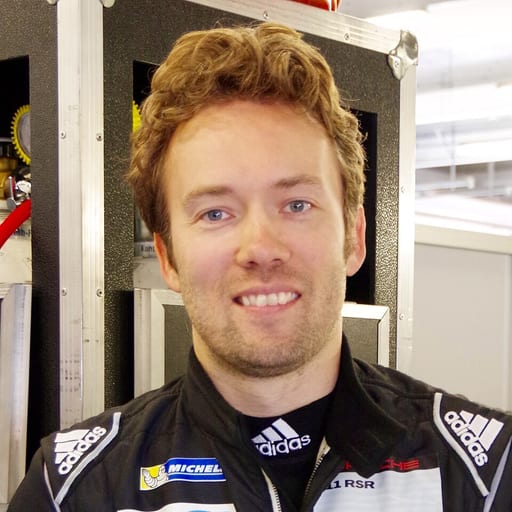
Photo: 49945carlo CC BY-SA 4.0 Original cropped
Quotes
450 basic records of 3,000
Quotes are word for word from the source.
Value based pricing
For SaaS, I'd say it goes without saying that you're going to want to shoot for value based pricing. That's just kind of the way it's done.
Our noteRob emphasizes that software companies should price based on value rather than cost.
Competitive pricing strategy
You look at the value you're providing, figure out if there is any competitors that are doing similar things and you either price above them if you want to be premium, or you price similar to them if you just want to be a better product.
Our noteRob describes how to position a product's price relative to competitors in the market.
Skillset as Security
The thing that I've always fallen back on is, depending on your skillset and your experience, unless there's just a massive, massive recession, the odds of you being out of work are pretty low.
Our noteRob encourages a founder to take risks by highlighting that their skills provide a safety net.
Managing early growth
I think they want to avoid having to deal with so much spam right off the bat, and if we do it by referral only, that can help you in the early days
Our noteRob explains why new platforms often use invite-only models to control spam and quality.
The flywheel effect
The time it takes to get your business to "flywheel" will vary, but I've found that it's typically 6-12 months after launch.
Our noteRob describes the period of effort required before a business gains its own momentum.
Using Pomodoro technique
I'll throw in like using the Pomodoro Technique can be really advantageous whether it's - even if you have to do like a short [0:17:29] [Indiscernible] between 15 and 25 minutes stuff.
Our noteSuggesting time management techniques for founders working in environments with frequent interruptions.
Importance of ergonomics
I had just a crummy chair and a crummy desk and it totally impacted A, my happiness when I worked at home and B, my productivity
Our noteReflecting on how poor office equipment negatively affected work quality and mood.
Multiple monitor setup
I have never once regretted adding a monitor or adding larger monitors.
Our noteAdvocating for external monitors to increase productivity for developers and founders.
Assessing workload
I realized I have too much going on in 2015, as it stands now, if I want to write a book.
Our noteRob discusses his realization during a retreat that his current goals were too ambitious.
Defining staying small
the "stay small" part means stay small in terms of employee headcount, not in terms of revenue.
Our noteRob clarifies the philosophy behind his book Start Small Stay Small.
Customer relationships
I enjoy seeing, you know, the same name using multiple products that I've built, and I enjoy just kind of starting to build longer-term relationships with these folks.
Our noteRob talks about the personal satisfaction of knowing his customers by name in a small company.
Hiring urgency
I always feel that sense of urgency when I find someone amazing on the first interview, and I'm like, "This is the perfect fit.
Our noteRob discusses the feeling of wanting to move fast when a great candidate is found.
Just-in-time funding
Syndicates are like just-in-time funds, is almost how I think about them. They spring up, the accredited investors in the syndicate are notified about a deal, and they can opt-in or opt-out.
Our noteRob uses an analogy to describe the flexible nature of investment syndicates.
Preparing for crashes
I was saying this to my head of there going to be a crash so that I'm prepared for when it happens.
Our noteRob was discussing his mindset regarding the volatility of his cryptocurrency investments.
Market volatility nature
I think it will continue to be volatile and it's just the nature of it for now while it's this unknown entity.
Our noteRob explains why he expects continued volatility in the cryptocurrency market.
Understanding lifetime value
If you make about having 500 customers with a total lifetime value of $100, that's only $50,000. That's the lifetime value of all those customers that they're going to pay you the entire time that they are customers of yours.
Our noteRob explains why low customer lifetime value limits business growth and spending power.
Historical sales data
To be honest, if you have multiple purchase prices, let's say you have a $50, $100, $150, and again, these are one time sales, you should know at this point what you breakdown has been historically.
Our noteRob discusses how to calculate lifetime value for one-time purchase products.
Utility of coding
I still will hack together little scripts to do this with an image or just utilities and stuff. Batch scripts and just enough knowledge to do what I think is so important.
Our noteRob discusses how even basic coding skills are useful for automating small tasks and utilities.
The stair-step approach
Part of stair-stepping is that when you start out, you either have no skills or typically one skill.
Our noteRob explains the initial skill set of most founders starting their journey.
Purpose through learning
The purpose is (that's where I think hobbies bring a lot of that) you get a lot of happiness and enjoyment out of learning new things.
Our noteRob explains how learning new things contributes to a founder's sense of purpose.
Small app purpose
That can often lead to feeling that sense of purpose of like, yeah, my purpose right now is to create and launch these small apps and do a bunch of learning.
Our noteRob describes the mindset of finding purpose in building and launching small software projects.
Management preferences
I just don't enjoy managing a lot of people. There has to have been some maybe learnings, growing, pains, just all of that stuff.
Our noteRob admits his personal dislike for managing large teams while interviewing a CEO of 40 people.
Handling revenue loss
Turning down revenue is the worst. Yeah, the worst is saying yes to revenue and having it churn, but the second worst is turning down revenue.
Our noteRob discusses the difficulty of turning away customers even when it is the right strategic move.
WordPress Security
You might need to do reverse-proxy and do some things if you're running WordPress because you don't tend to want to run WordPress on a production app server.
Our noteRob explains why you should avoid hosting WordPress on the same server as your main application.
Non software MVP
Sometimes, an MVP is not even software. We've talked about this in the past. An MVP might be you with an Excel spreadsheet or a Google spreadsheet.
Our noteRob describes how manual processes can serve as a minimum viable product.
Delegation failure
By the time we were 10 people, this is with Drip, I was basically still making all the decisions, and everyone, "Well, let's see what Rob thinks about it." Everything. And that was my fault.
Our noteRob describes how his lack of delegation created a culture of dependency at Drip.
Seeking outside help
For a lot of people, they aren't good at identifying when they need the outside help. So unless you have that monthly or twice monthly meeting with a coach, you're not really asking yourself the whole time, do I need advice on this?
Our noteRob discusses the importance of having a coach or mentor to gain perspective.
Illiquid asset stress
I'm concerned that I have millions and millions of dollars tied up in an illiquid asset. That makes it tough.
Our noteRob explains why he decided to sell his growing company in 2015.
Acquisition metrics
Acquirers are usually looking at your growth rate. That's probably number one. They're looking at your churn rate or calculating when it's going to naturally plateau.
Our noteRob explains what potential buyers prioritize when evaluating a SaaS business for acquisition.
Seeking no permission
And that's the best founders is when you're not waiting for permission, you're not waiting for someone to anoint you that like, oh, you're going to succeed
Our noteRob discusses the self-reliance and conviction required to be a great founder.
You are seeing 705 basic records. Membership answers from all 4,700 of this master's records.
See membershipMore masters in this field
See the whole fieldSolo business and indie makers


These records are our compilation of public statements and sources. We are not affiliated with or endorsed by Rob Walling or any related company. If something should come down, tell us. Takedown request form