1984Strategy
The Boussac Acquisition
베르나르 아르노는 파산 위기의 섬유 그룹 부삭을 인수했어요. 그는 디올과 봉 마르셰 백화점만 남기고 기저귀 부문을 포함한 나머지 자산들을 매각하여 5억 달러 이상의 수익을 올렸어요.
LessonIdentify the 'star' asset within a struggling conglomerate and liquidate the rest to fund your vision.
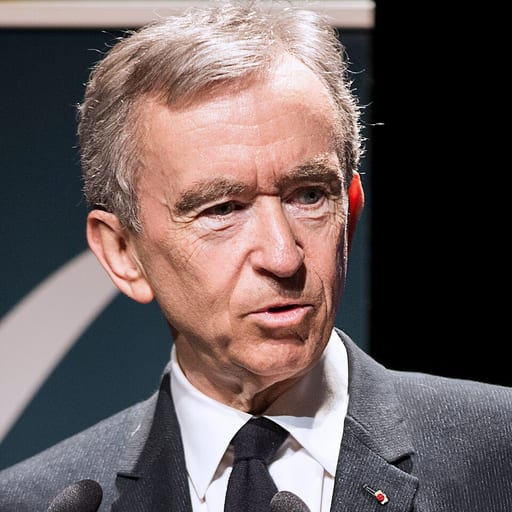
베르나르 아르노
Chairman and CEO of LVMH
109 records in all
3 free questions a day, no sign-up.
Photo: Jérémy Barande / Ecole polytechnique Université Paris-Saclay CC BY-SA 2.0 Original cropped
9 basic records of 62
Episodes are real events from public sources, summarised by us.
베르나르 아르노는 파산 위기의 섬유 그룹 부삭을 인수했어요. 그는 디올과 봉 마르셰 백화점만 남기고 기저귀 부문을 포함한 나머지 자산들을 매각하여 5억 달러 이상의 수익을 올렸어요.
LessonIdentify the 'star' asset within a struggling conglomerate and liquidate the rest to fund your vision.
Henri Racamier took over Louis Vuitton when it was a small business with only two stores and $12 million in sales. Within a decade, he expanded it to 125 stores and over $1 billion in revenue by focusing on internationalization and vertical integration.
LessonA stagnant century-old brand can be revitalized by shifting from wholesale to a direct-to-consumer global model.
The original founders of Louis Vuitton and Moet-Hennessy tried to annul their merger to oust Arnault, but they underestimated his ambition. Arnault responded by deploying over $1 billion in the market within a short period to secure a blocking minority stake.
LessonSpeed and financial aggression can neutralize a defensive move by established incumbents.
Arnault recognized that handbags were the ultimate luxury product due to high margins and lack of sizing issues. He leaned into Louis Vuitton as the star of the group to drive recurring, high-profit sales.
LessonFocus on products with high margins and low friction to scale a luxury brand globally.
In the early 90s, Arnault challenged department stores by refusing to sell wholesale. He insisted on leasing space, owning the inventory, and using LVMH employees to control the customer experience directly.
LessonBy controlling the retail environment, a brand can capture higher margins and maintain a direct relationship with its customers.
Arnault reached a verbal agreement to buy Gucci for $400 million but backed out after due diligence, claiming the brand was worthless. Shortly after, Gucci's new leadership revitalized the brand, leading to a $3 billion IPO just a year later.
LessonEven a master can misjudge a brand's potential for a turnaround, leading to a massive missed opportunity.
LVMH capitalized on Japan's economic boom and its cultural reverence for craftsmanship. By 2006, nearly 40% of Japanese people owned a Louis Vuitton product, making Japan a primary driver of luxury growth.
LessonIdentify markets with a cultural alignment to your product's core values to drive massive globalization.
Alexandre Arnault personally used Rimowa products for years and built a relationship with the founding family. When the family decided to sell, they chose LVMH specifically because of the trust built with him.
LessonPersonal passion for a product and long-term relationship building can create unique acquisition opportunities.
Arnault set up a private foundation in Belgium to protect the LVMH group's integrity until 2023. This prevented his children from selling shares until his youngest child reached the age of 25.
LessonUse legal structures to ensure business continuity and prevent premature decisions by heirs.
You are seeing 16 basic records. Membership answers from all 109 of this master's records.
See membershipFounders and company builders
These records are our compilation of public statements and sources. We are not affiliated with or endorsed by Bernard Arnault or any related company. If something should come down, tell us. Takedown request form