Hall of Masters

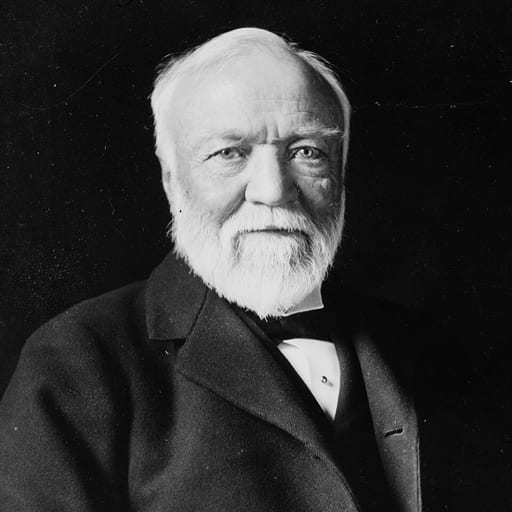
Andrew Carnegie

앤드루 카네기

Steel industrialist and philanthropist; author of The Gospel of Wealth

1,019 records in all

  • Principles 330
  • Episodes 309
  • Quotes 380
Ask with this master's words

3 free questions a day, no sign-up.

Photo: Theodore C. Marceau  Public domain  Original  cropped

Episodes

46 basic records of 309

Episodes are real events from public sources, summarised by us.

  • The Business of the Temple

    Carnegie met educated priests at the Kali Temple who admitted they didn't believe in the rituals. They continued the practice because the temple was profitable family property with revenues divided among them.

    LessonSystems can persist long after their core value is gone if they remain profitable for those in charge.
  • The Sham Palaces of Lucknow

    Carnegie visited Lucknow and found that its magnificent-looking palaces were actually made of common bricks covered in white plaster. He felt provoked that his admiration had been unworthily excited by such deceptive architecture.

    LessonA founder must ensure their product's core is as solid as its marketing, or customers will feel cheated upon closer inspection.

  • The Parsee Burial Debate

    Carnegie questioned a Parsee gentleman about their practice of leaving the dead to vultures. The gentleman countered by asking what Carnegie thought of worms eating the dead, leading Carnegie to admit it was just a matter of perspective.

    LessonA sharp counter-question can effectively neutralize a bias and lead to mutual respect.

  • The Cairo Reunion

    Carnegie had jokingly agreed to meet friends in Cairo months prior while traveling in different directions. By choosing a specific boat route instead of staying with the crowd, he narrowly managed to catch them just before they departed.

    LessonTaking a different path from the crowd can lead to valuable connections and opportunities that others miss.

  • Observation of Eastern Labor

    Carnegie traveled through the East and noticed that the lack of a regular day of rest led to a life of unremitting toil. He concluded that without a scheduled break, workers lose their human dignity and become like brutes.

    LessonPredictable rest is essential for maintaining a motivated and humanized workforce.

  • Critique of British Rule in India

    Carnegie compared the successful voluntary models in Hong Kong and Singapore with the forced governance in India. He predicted that England would face a 'rude awakening' if they continued to destroy native institutions by force.

    LessonForcing a system on an unwilling audience is a recipe for long-term failure and resentment.

You are seeing 153 basic records. Membership answers from all 1,019 of this master's records.

See membership

More masters in this field

See the whole field

Founders and company builders

These records are our compilation of public statements and sources. We are not affiliated with or endorsed by Andrew Carnegie or any related company. If something should come down, tell us. Takedown request form